Category: News

  • Stakeholder Workshop – South Africa

    Stakeholder Workshop – South Africa

    Local voices shape DECIRE-WATER’s South African demonstration site

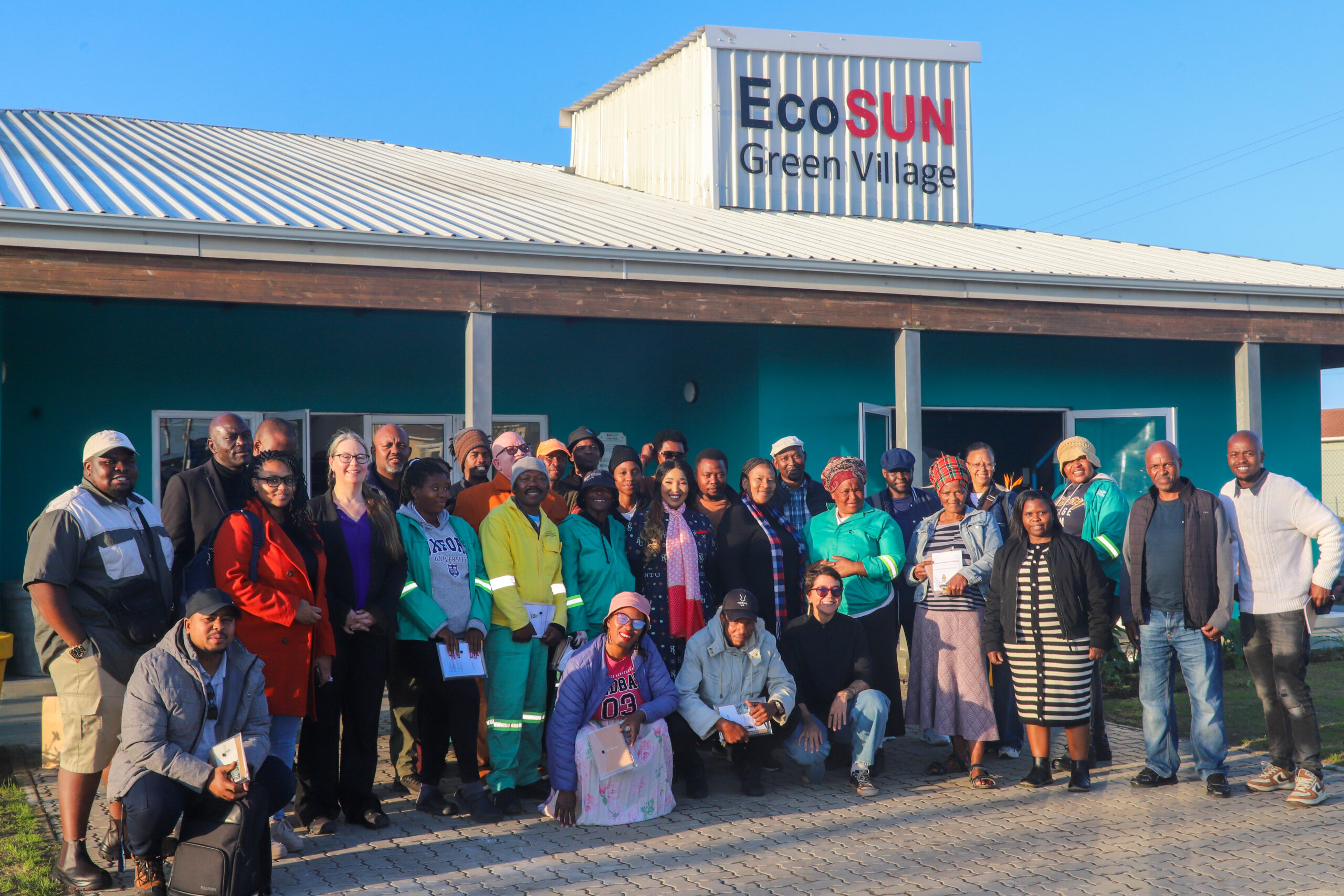
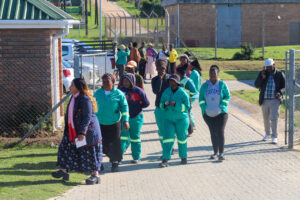
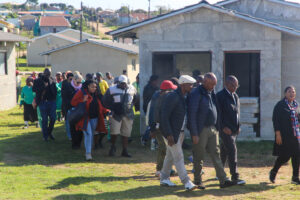
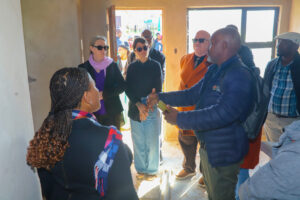
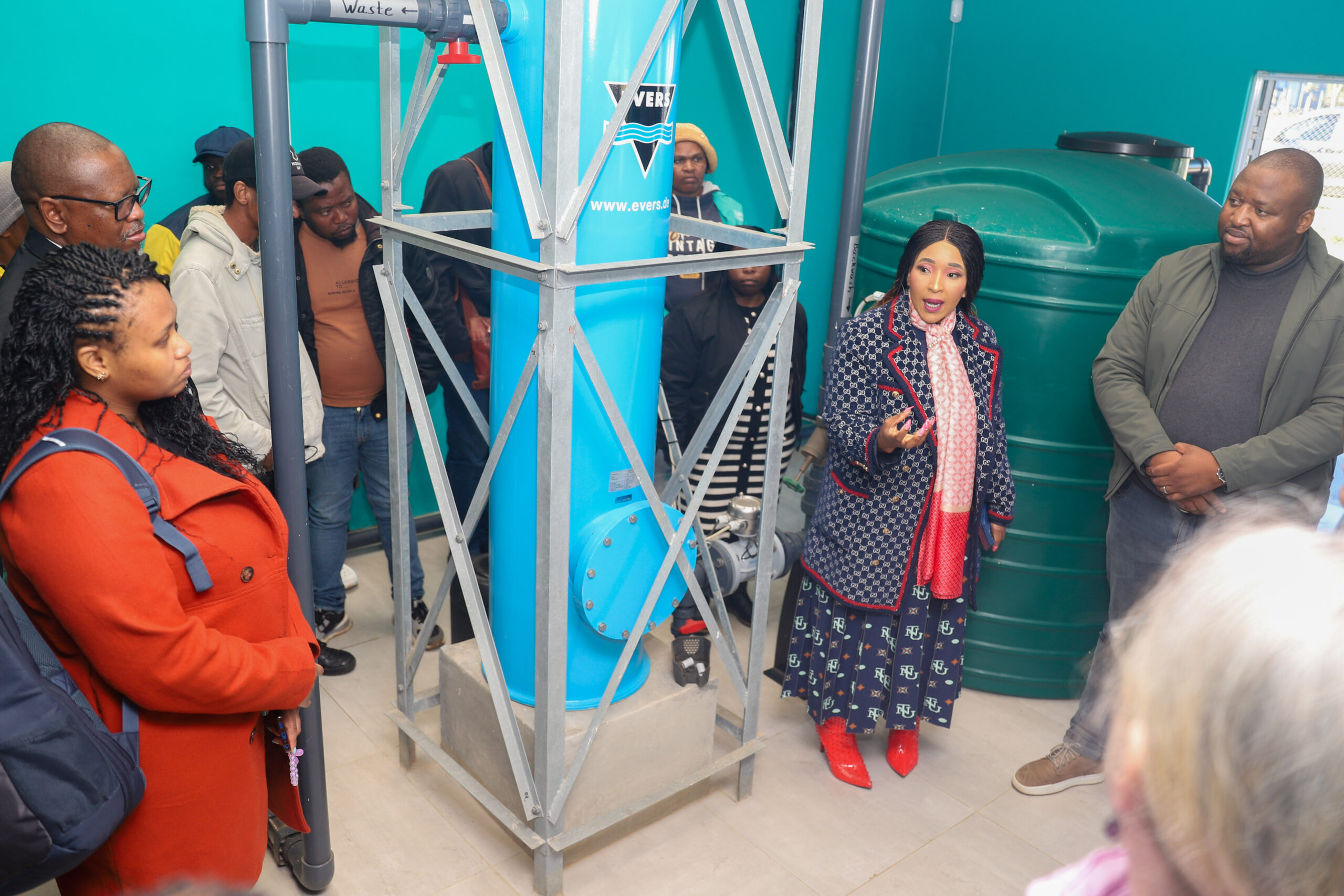
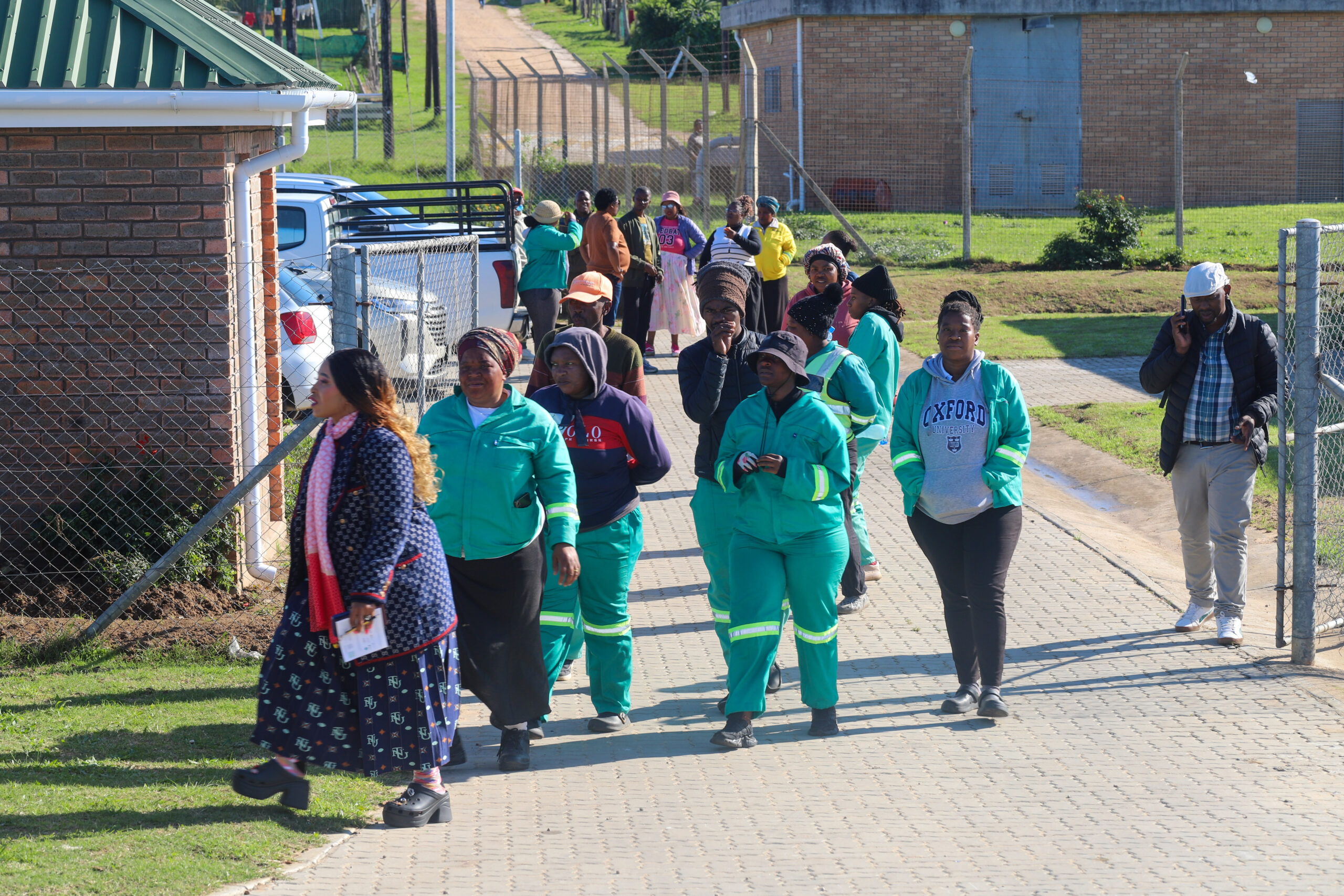
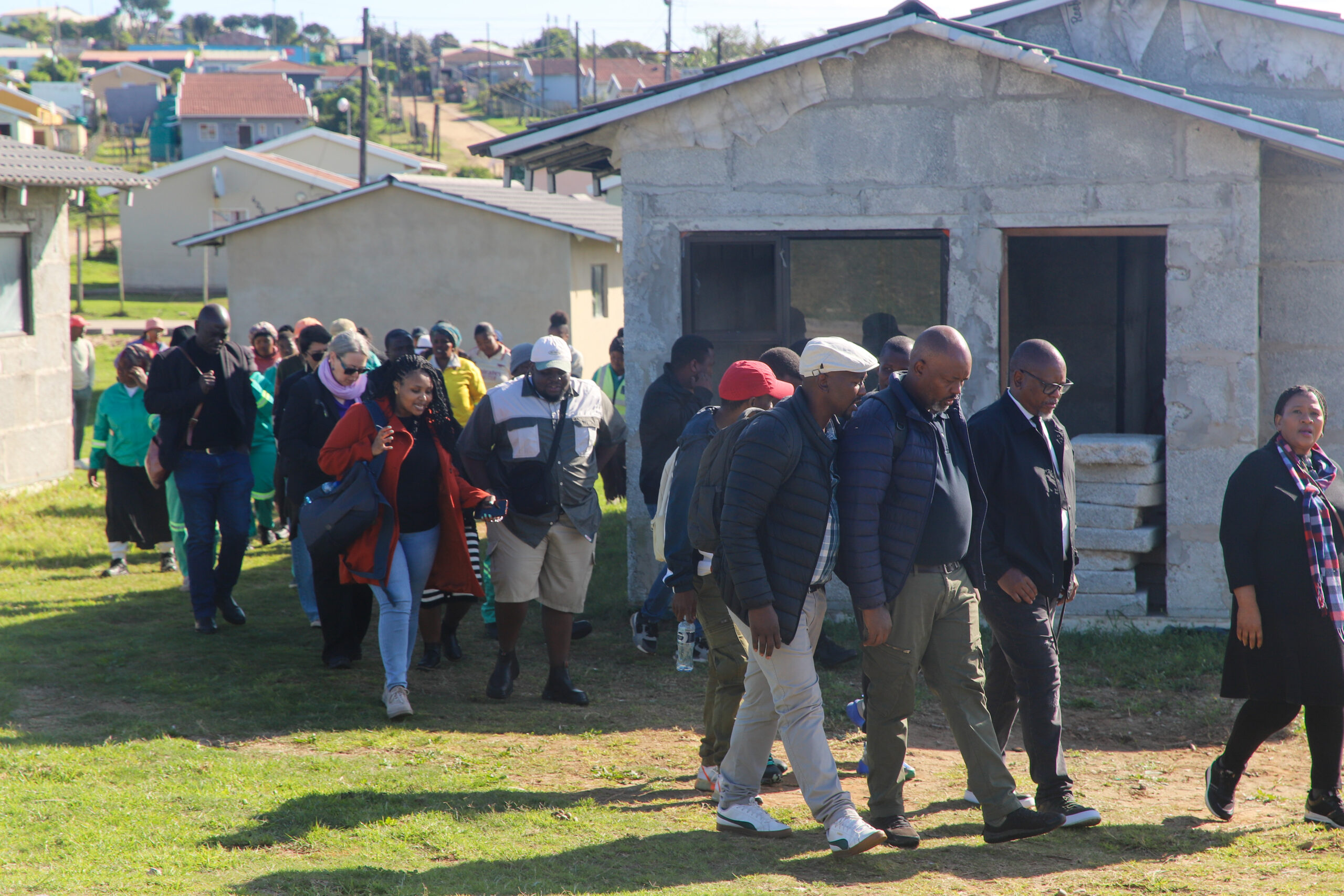
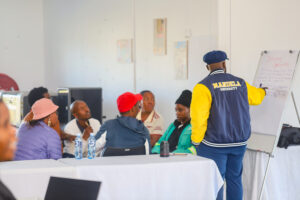
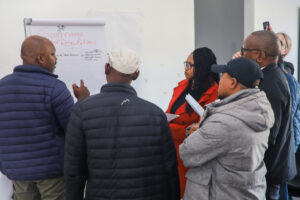
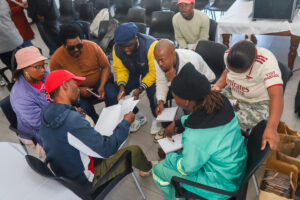
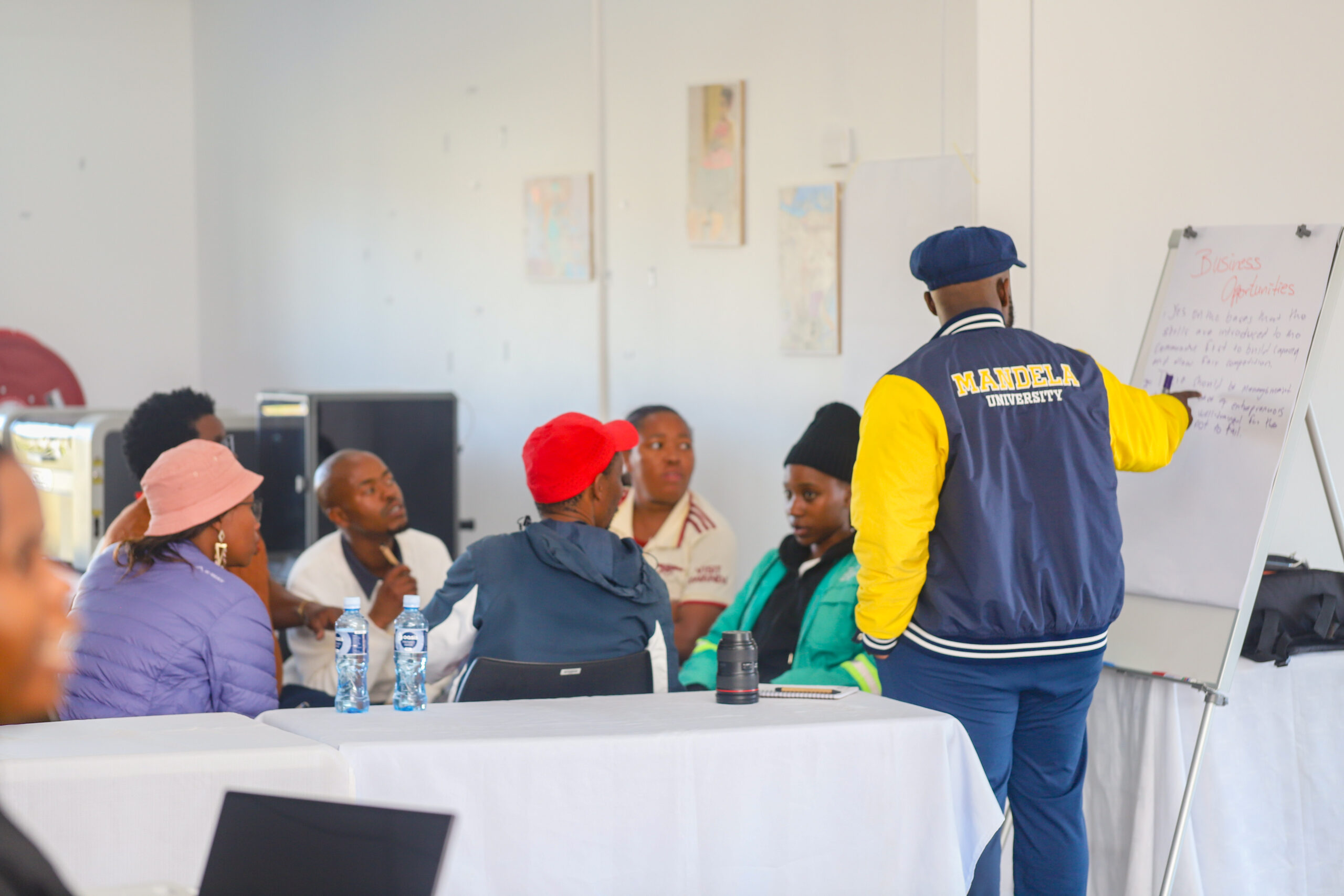
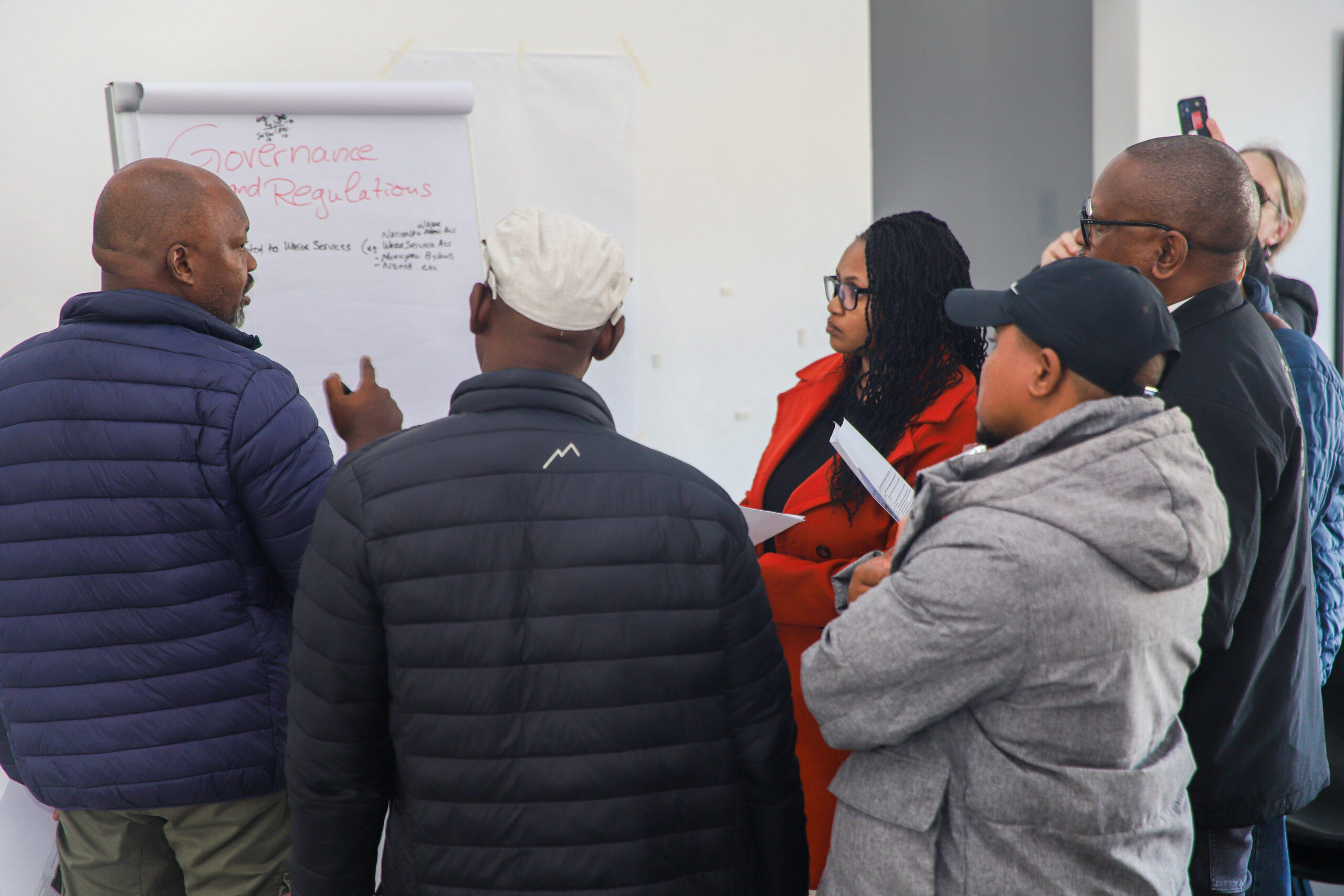
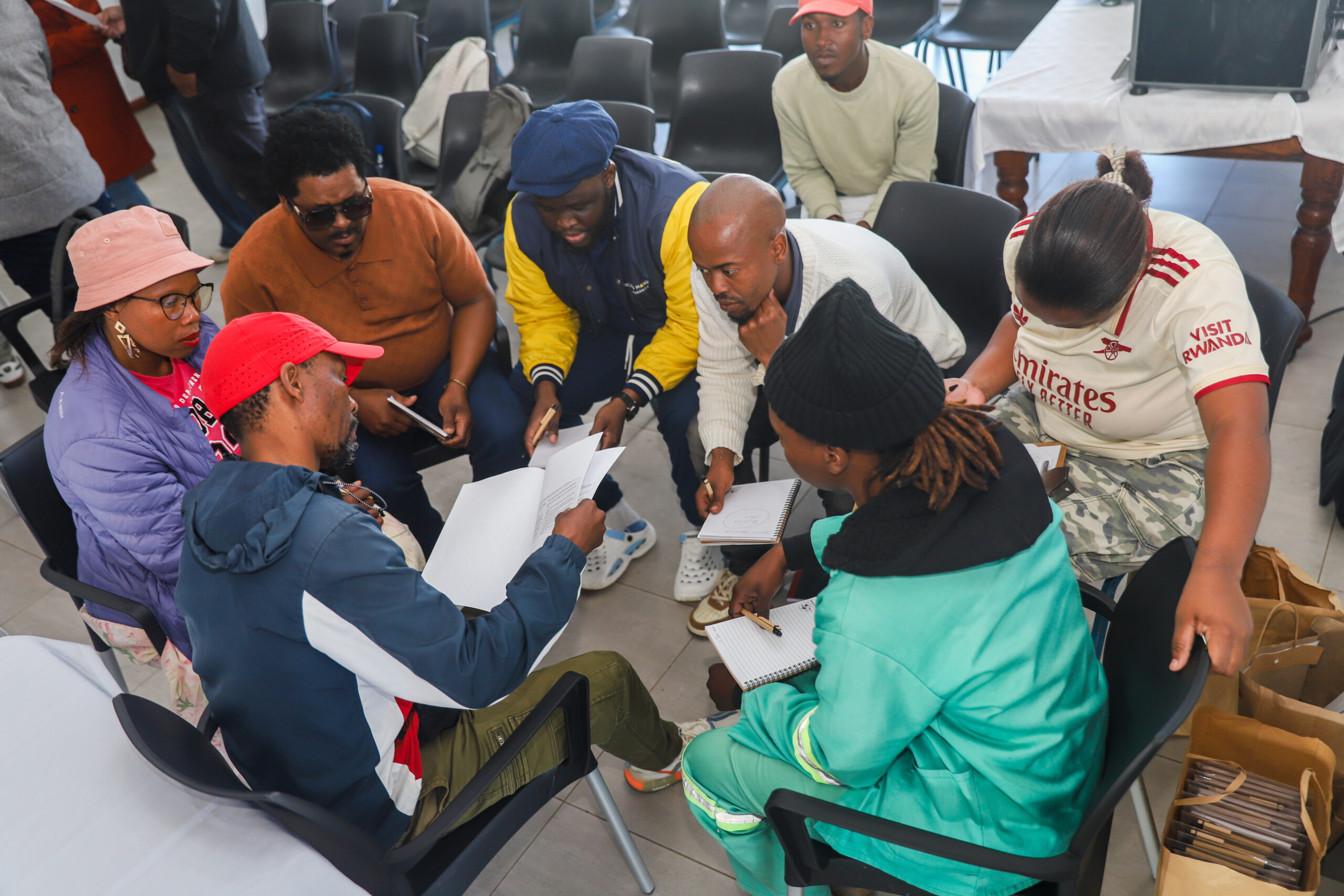
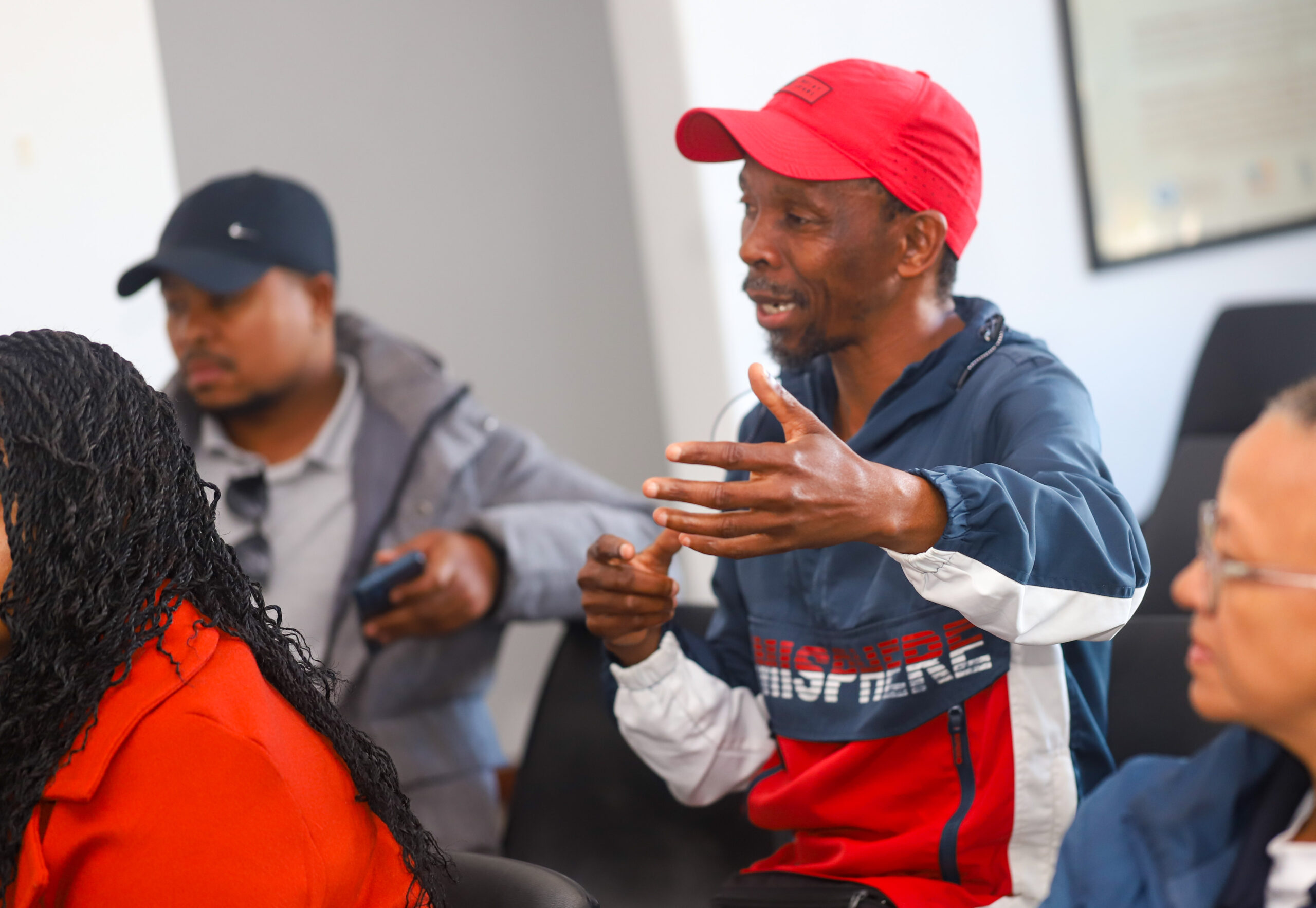
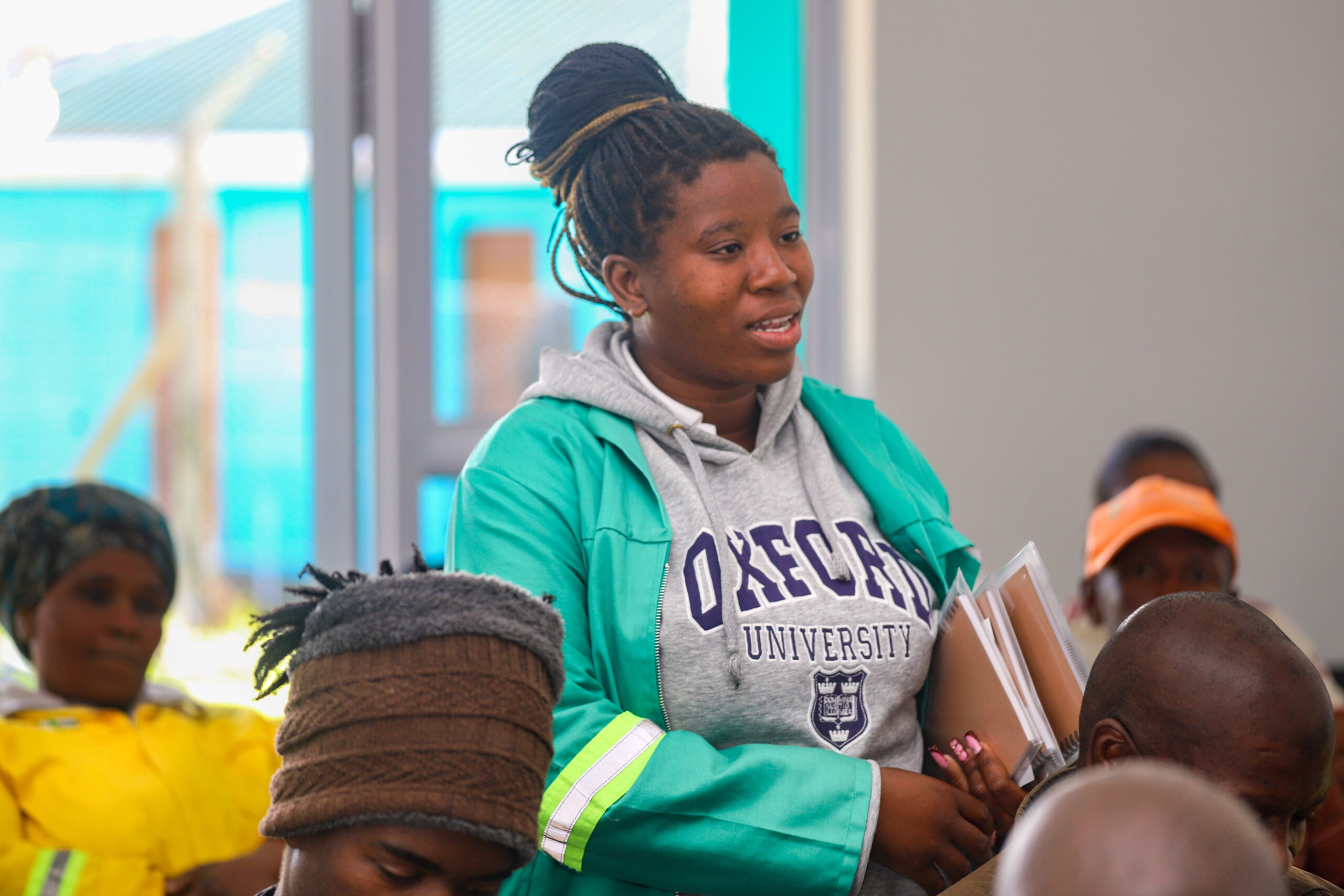
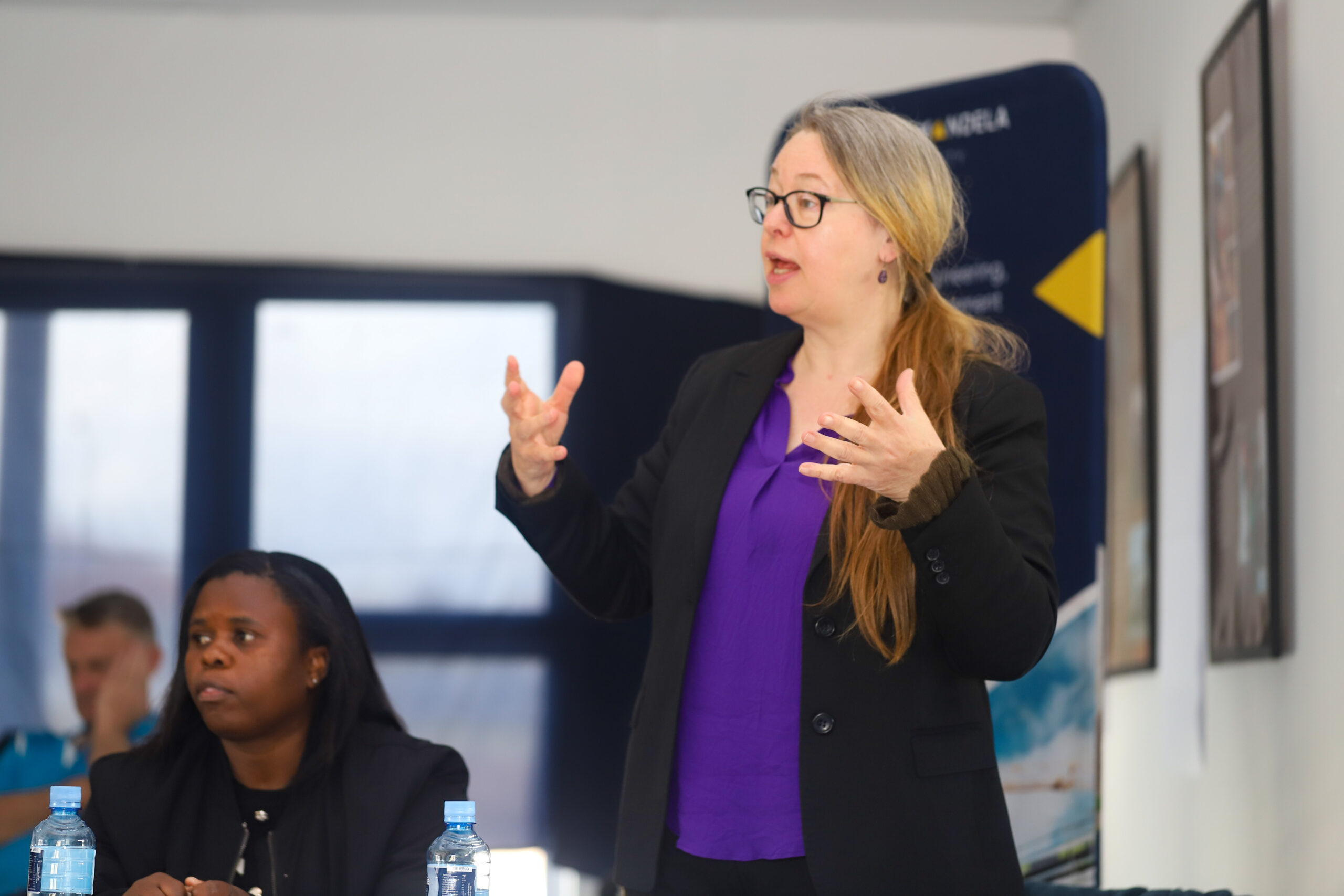
    On 17 June 2026, the first DECIRE-WATER stakeholder workshop was held in the EcoSUN Village in Ndlambe Municipality, Kenton-on-Sea, South Africa. It brought together the local community, researchers, public authorities and water-sector representatives to help shape the project’s South African demonstration site.

    Co-design and co-creation are central to developing the waste water treatment solutions offered through the demo sites of the DECIRE-WATER project. Rather than introducing a predefined technical solution, the project aims to involve the people and institutions affected by it – from the planning stage onwards. This approach helps to ensure that decentralised water solutions respond not only to technical requirements, but also to local social, economic and cultural conditions and needs, while strengthening trust and local ownership. Stakeholder participation is a core part of the project´s methodology and its pathway towards wider acceptance and uptake of decentralised water solutions.

    Bringing stakeholders together through co-design

    The workshop gathered a total of 46 participants and was jointly organised by the project partners Nelson Mandela University (NMU), RPTU Kaiserslautern-Landau and VDI/VDE Innovation + Technik GmbH. The participants represented four main stakeholder groups, such as local and national government, water-sector institutions, researchers from Nelson Mandela University and RPTU and the local community.
    Among them were representatives of the Eastern Cape Department of cooperative governance and traditional affairs (ECOGTA), members of the Departement of science, technology and Innovation (DSTI), the director of the department of water and sanitation (DWS) and several members of the Local Ndlambe Municipality. Various institutions were well represented, but the local perspectives were at the centre of the discussions as participation of the community was particularly strong.

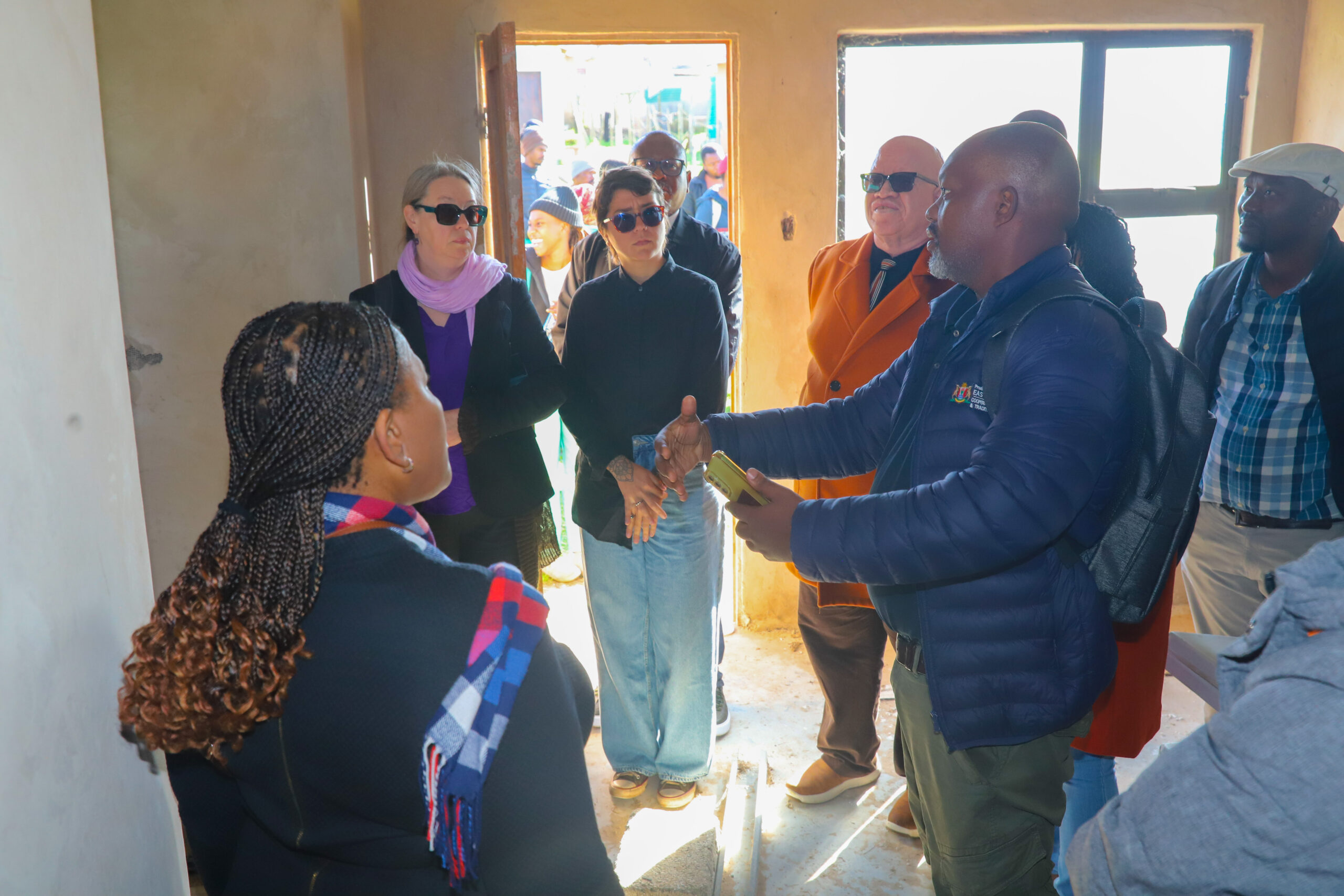
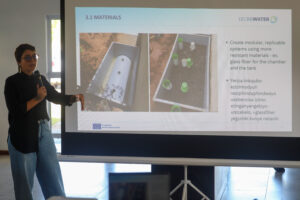
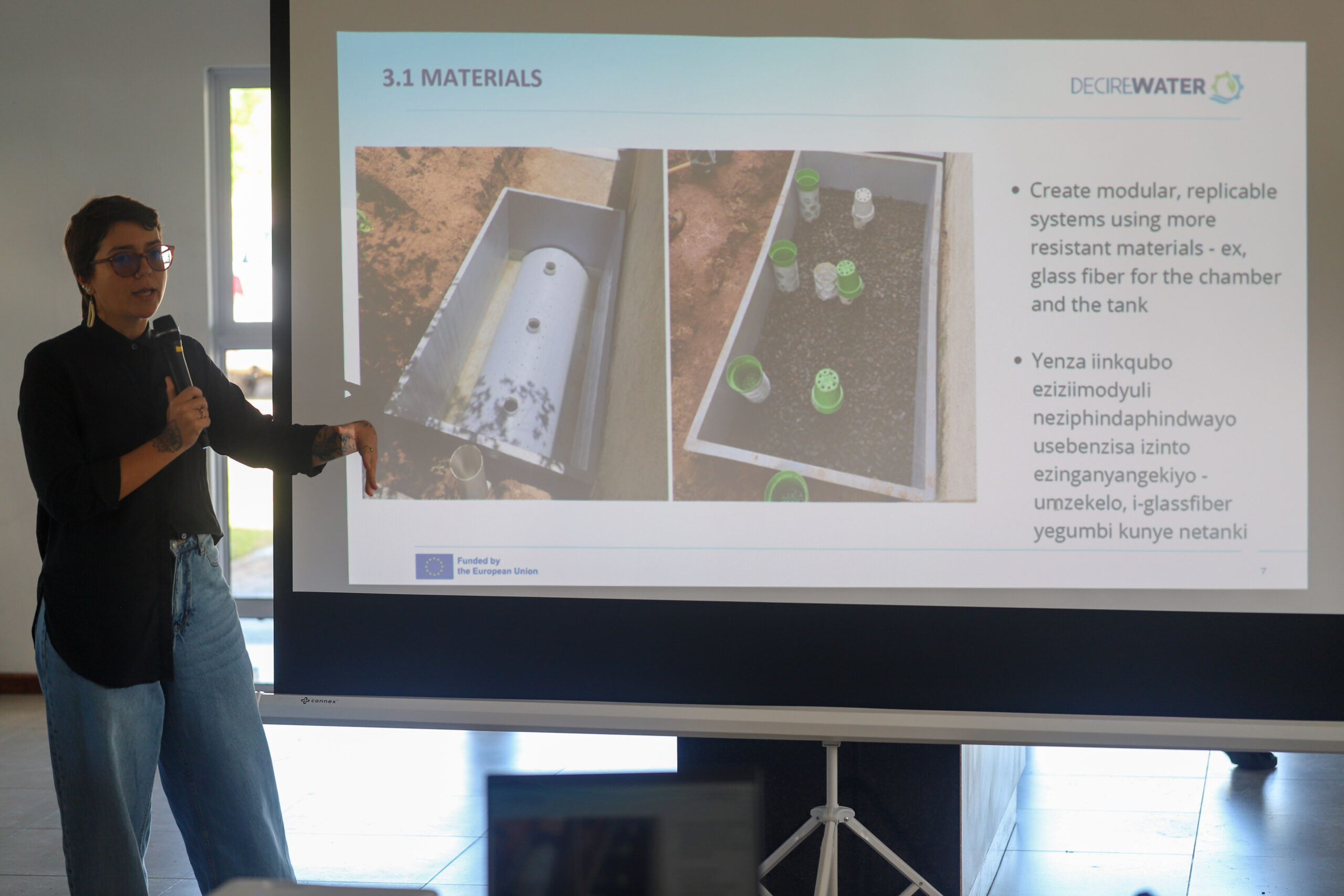
    The workshop began with welcoming remarks from representatives of Ndlambe Municipality, followed by a round of introductions among all participants. The Deputy Director of Ndlambe Municipality then led a tour of the EcoSUN Village, providing participants with an overview of the site and its local context. Following the tour, RPTU introduced the evapotranspiration tank (TEvap) system planned for implementation at the community and presented its main principles and intended application within the project.

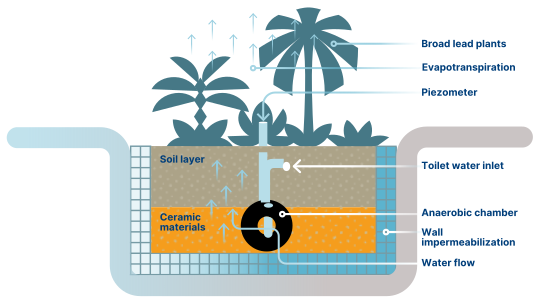
    The TEvap is a nature-based, decentralised system for the treatment of household blackwater. Building on experience with TEvap systems in Brazil, DECIRE-WATER will further develop the concept for South African conditions, working towards a modular and scalable solution using locally appropriate materials and adapted design and operation.

    Local perspectives drive the discussion

    Following this presentation, the World Café methodology and workshop structure were introduced by VDI/VDE. Participants were informed about the discussion format, the rotation between thematic groups, and the role of each session in gathering perspectives and inputs from the different stakeholder groups.
    The discussions in the groups crystalized around the following topics:
    technology, public perception, governance and regulation, business opportunities.

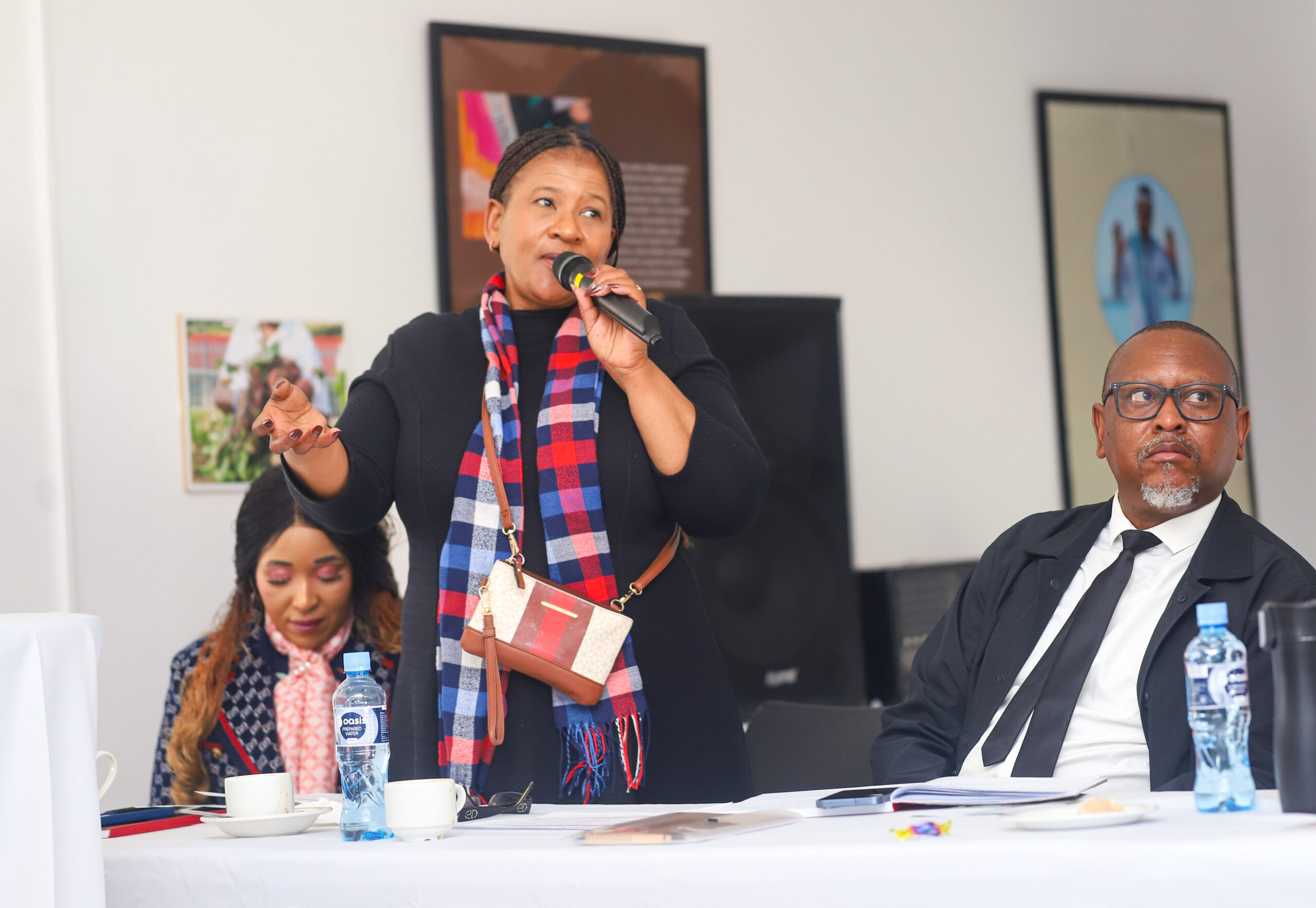
    The participatory format encouraged open exchange between participants with diverse backgrounds and with different levels of technical experience.  Discussions were adapted to the local context, with all key information translated to IsiXhosa, the main spoken local language. This created opportunities for participants to communicate and explain their concerns and expectations in their own terms, resulting in inclusive and lively discussions.

    Throughout the entire workshop, the atmosphere was lively and constructive. A recurring message from community participants was the wish to be active partners in the process rather than only recipients of a new technology. Participants highlighted the importance of local training, the involvement of local workers and suppliers, clear communication, and continued engagement throughout implementation and further operations. At the same time, discussions openly addressed practical challenges such as operation, maintenance, responsibilities and long-term sustainability. These priorities reflect DECIRE-WATER’s broader objective of involving stakeholders directly in planning, co-design and implementation.

    From dialogue to action: the road ahead

    Furthermore, the workshop provided valuable input for adapting the TEvap demonstration to local needs and helped to identify priorities for the next implementation steps. Technology training led by NMU and RPTU will follow, while the workshop outcomes will feed directly into the detailed design, construction and future monitoring of the demonstration site.

    Next steps in the stakeholder participation process will be a collection of direct feedback after construction and during operation followed by a second stakeholder workshop toward the later end of the DECIRE-WATER project to discern and discuss challenges, requirements and possibly responsibilities for sustainable long-term operations and possible scale-up and blueprinting.

  • Demo spotlight – Germany

    Demo spotlight – Germany

    Successful “Wet Start-Up” of Demo 5 in Stuttgart

    Over the last few months, project partners RPTU University of Kaiserslautern-Landau, AKUT, Stadtentwässerung Stuttgart (SES) and University of Innsbruck (UIBK) have successfully established DECIRE-WATER’s Demo Site 5 in Stuttgart, Germany.
    Marking a major milestone for the project, the system has been fully constructed, connected, and officially started up by mid-2026.

    This demo setup is the direct result of the close collaboration among two academic institutions (RPTU and UIBK), the engineering and planning firm AKUT, as well as the local wastewater utility in Stuttgart, SES. Together, the partners orchestrated the planning, design, and implementation phases, successfully transitioning the system from a conceptual design into an operational, hybrid technical/nature-based reality.

    Demonstrating Sewer Mining for Decentralised Irrigation Reuse

    As climate change accelerates, urban areas face prolonged periods of droughts, driving an urgent need for sustainable, climate-resilient water management solutions.
    Our demo site in Germany addresses these critical challenges by demonstrating how modular solutions can treat sewer wastewater (“sewer mining”) for local irrigation reuse.

    This demonstration site features different mechanical pretreatments, novel constructed wetlands for wastewater treatment, and a disinfection system, playing a critical role in achieving DECIRE-WATER’s broader objective: proving that decentralised solutions can secure urban water resources while integrating into existing centralised wastewater infrastructure.

    From Design to Operation: Bringing Demo Site 5 to Life

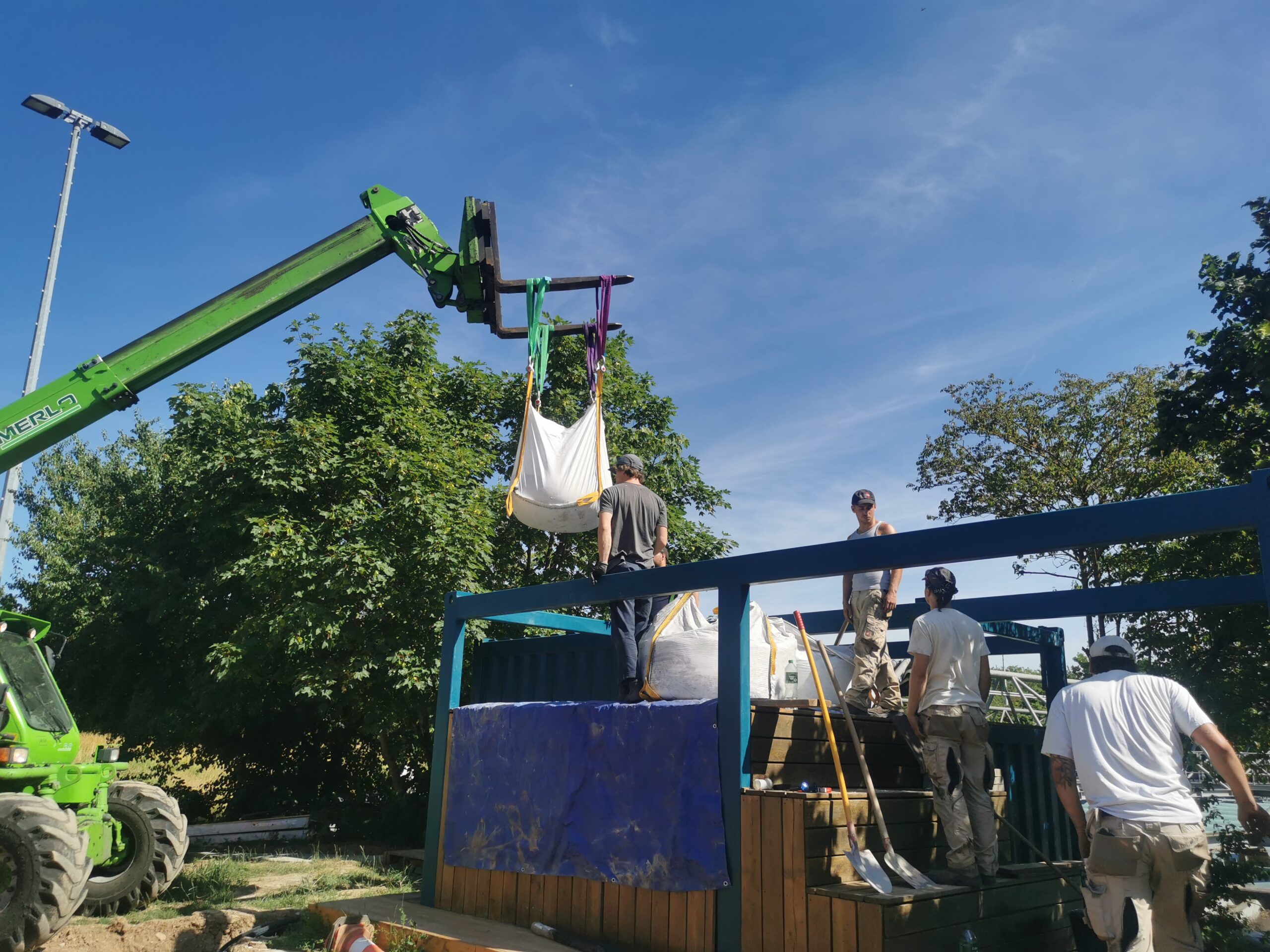
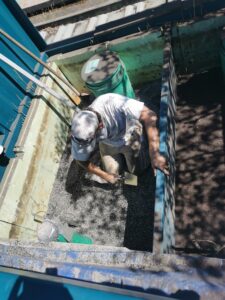
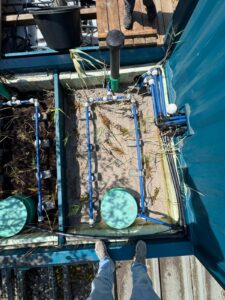
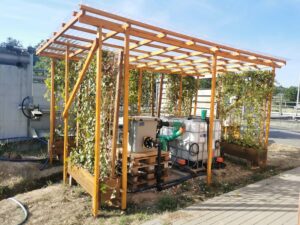
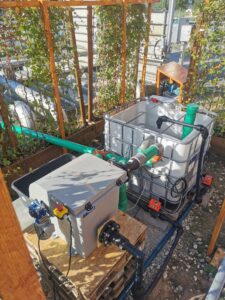
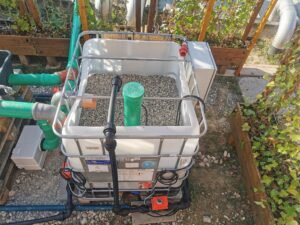
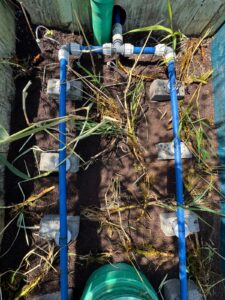
    The past few months have seen intense activity on-site to bring the hybrid technical/nature-based demo site to life. Key activities included setting up three different pretreatment units, laying over 200 meters of piping, and filling two constructed wetland compartments with novel filter media. Additionally, the team installed the UV disinfection system, the control and automation unit, a rainwater cistern, and ivy facades alongside an automated irrigation.

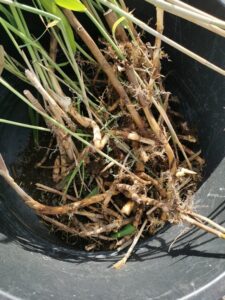
    Following the technical installation, both constructed wetlands were planted with Phragmites australis (common reed) that drive the natural filtration processes. The team achieved then the “wet start-up,” introducing water into the system for the first time to test hydraulic routing, flow rates, and connection integrity.

    Operational Status and Future Research Activities

    Following the successful wet start-up, the system is now operational. The vegetation is currently acclimating, the filter media is settling, and the vital microbiological processes are establishing.

    Next, the partners will begin routine monitoring as mechanically pretreated wastewater is introduced. RPTU will track system performance and investigate different operational strategies to ensure safe water reuse, focusing, among others, on the removal of pathogens, antibiotic resistance genes, and organic pollutants. These findings will provide relevant data to drive the implementation of decentralised water reuse strategies across the European Union and elsewhere.

  • Demo spotlight – Spain

    Demo spotlight – Spain

    Pioneering Hybrid Water Reuse System

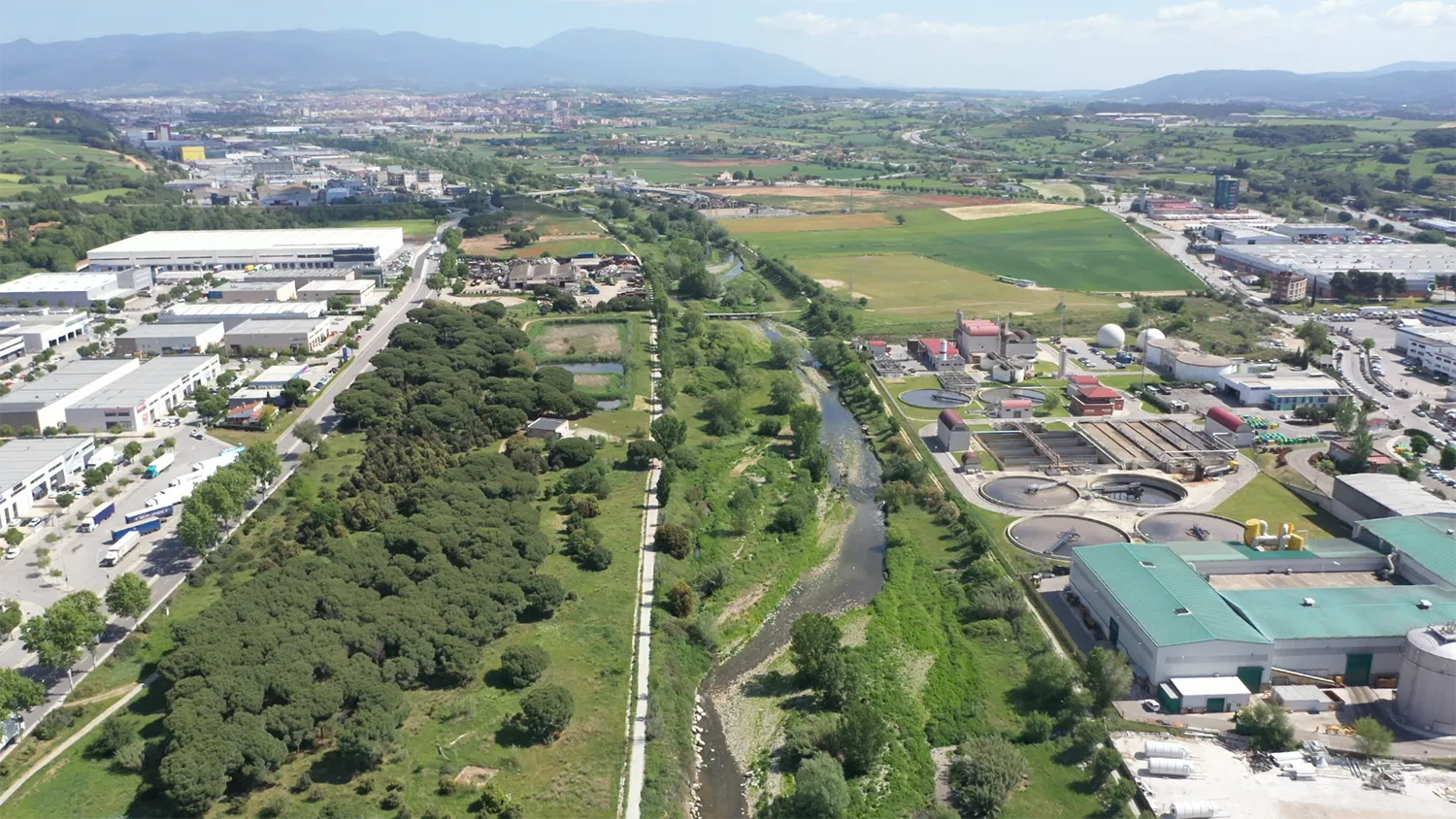
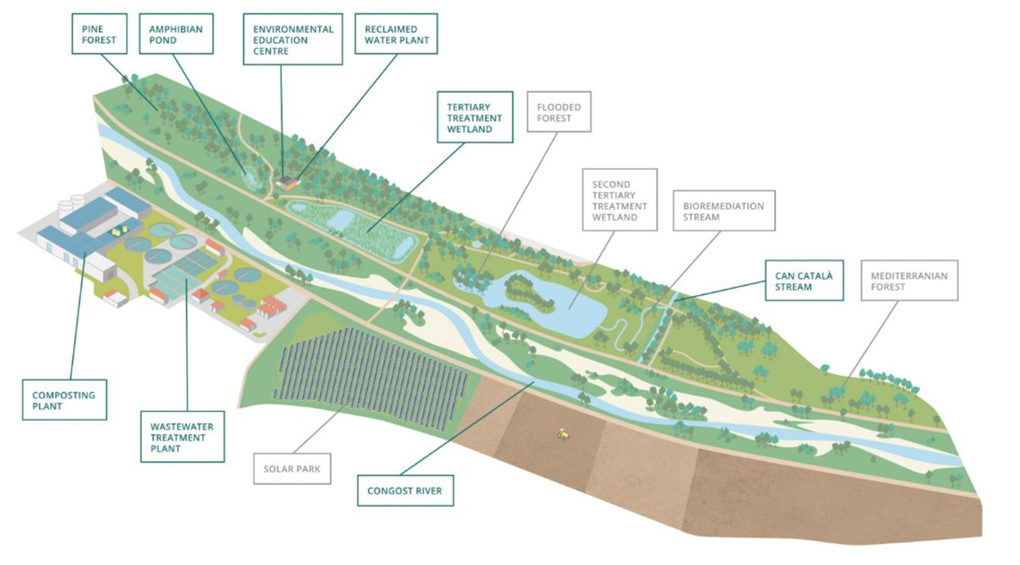
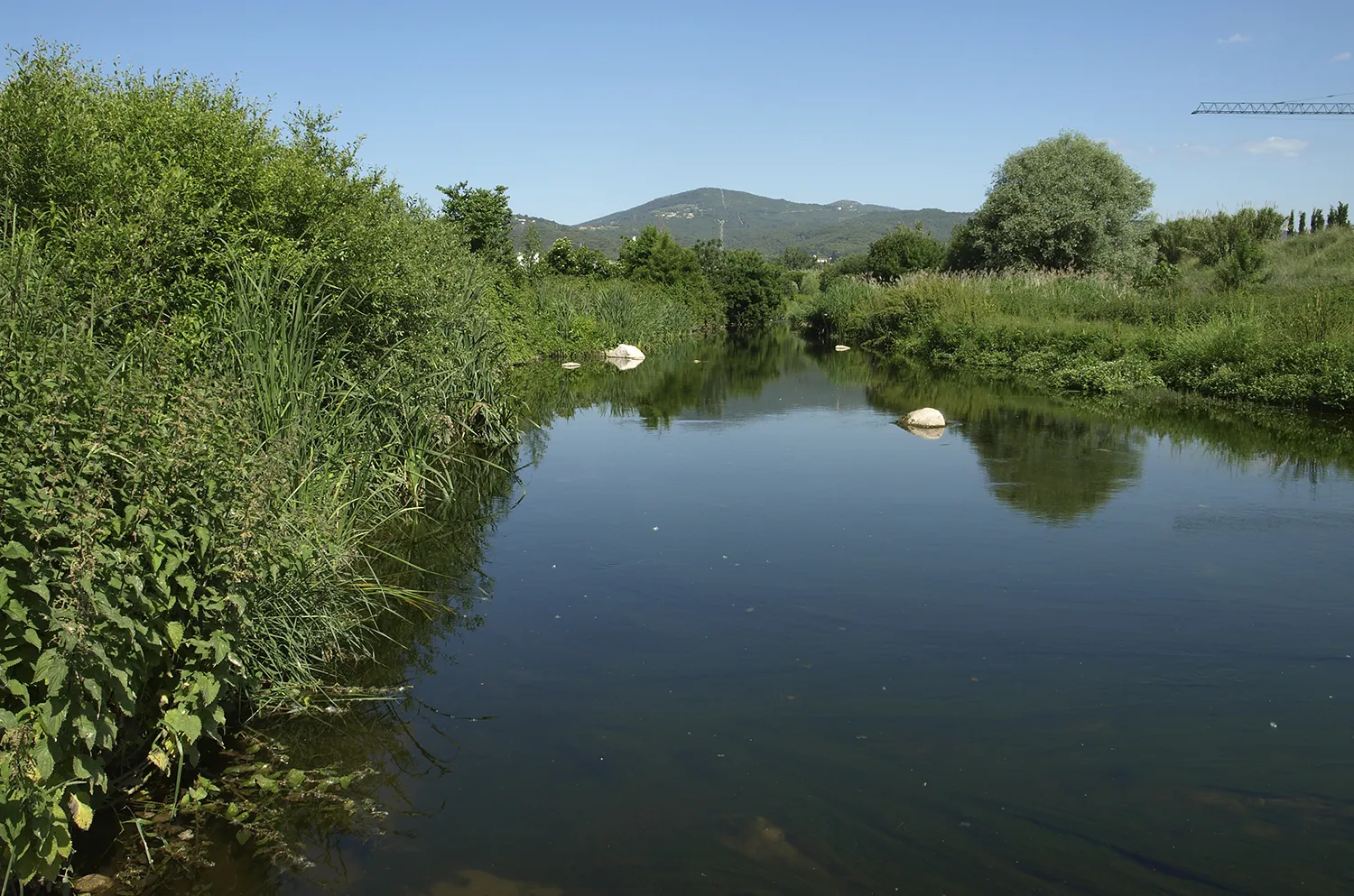
    The Can Cabanyes constructed wetland operates as a pioneering hybrid water reuse system that integrates a 1-hectare surface flow constructed wetland with a mechanical reclamation plant. This nature-based solution (NBS) is designed to polish secondary effluent from the nearby Granollers Wastewater Treatment Plant (WWTP), operated by Consorci Besòs Tordera. The system currently produces over 10,000 m³ of reclaimed water annually. A key feature is its 8.5 km non-potable distribution network, which currently supplies around half of the water needed for both urban green space irrigation and street and sewerage maintenance.

    History
    The system was put into operation in 2003, marking the beginning of a transformation of what was then a highly degraded peri-urban ecosystem near the Congost River. Before its restoration, the site was heavily impacted by industrial infrastructure, a highway, and an old landfill. The initial project required a comprehensive restoration plan that included closing the landfill, recovering river banks, and reclaiming pedestrian paths to create the current public park.

    Main transformation phases:

    2002-2003: Sealing the wetland basin with local soil compaction and planting high-density vegetation, such as Phragmites australis and Typha latifolia.

    2004-2005: Facing ecosystem stabilization issues, where phytoplankton and zooplankton “blooms” caused temporary spikes in organic matter and suspended solids.

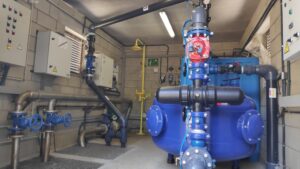
    2008: Addition of a mechanical reclamation plant featuring disc filters and chlorine disinfection to meet stricter water quality standards for water reuse

    The system matured over two decades with the successful integration of nature-based solutions and mechanical treatment that created the stable hybrid foundation used today.

    Achievements
    Can Cabanyes has proven that hybrid nature-based solutions are both reliable and highly efficient for urban water reuse. The system consistently meets the water quality standards set by the regional authority for key parameters, including pH, total suspended solids (TSS), and pathogens like E. coli, Legionella, and nematode eggs.

    From an environmental and social perspective, the site has successfully transitioned from a degraded industrial area into a high-value peri-urban park integrated into the Natura 2000 network. It now serves as a vital ecological corridor, hosting species of special interest like the Mediterranean turtle (Mauremys leprosa) and a diverse range of bird populations.

    Seasonal patterns (long-term data):
    while ammonium removal is highly effective in warm months (64-87%), its efficiency significantly drops when water temperatures fall below 10°C.

    Regarding microbiological quality:
    approximate reduction of 2 logarithmic units in fecal coliforms, consolidating the role of the wetland as a pre treatment stage before conventional.

    Beyond conventional pollutants:
    the wetland removes over 95% of emerging contaminants such as ibuprofen and ketoprofen, although it is less effective against recalcitrant substances like carbamazepine.

    Studies have confirmed the system’s excellence in removing human adenoviruses (HAdV), providing a critical health safety barrier.

    Finally, a techno-economic evaluation confirmed the project’s sustainability, revealing that its positive externalities, such as environmental, educational, and recreational value (estimated at 1.25 €/m³), significantly outweigh the private operational costs of approximately 0.50 €/m³.

    DECIRE-WATER activities
    Now in 2026 the site is undergoing a major expansion set for completion by 2027, which includes a flooded forest, a second tertiary wetland and a bioremediation stream to showcase the potential scalability of reclaimed water for agricultural and urban uses.

    As a “lighthouse” demo site for the project, Can Cabanyes is pioneering the use of advanced real-time E. coli sensors to ensure the safe expansion of reclaimed water for agricultural and urban uses.

    The primary goal is to develop an in-situ, real-time monitoring system capable of detecting fluctuations in water quality and providing early warnings of fecal contamination spikes. The sensing approach combines DNA-based (total bacteria) and RNA-based (specific bacterial targets) staining with flow cytometry and advanced data analysis.

  • First Consortium Meeting

    First Consortium Meeting

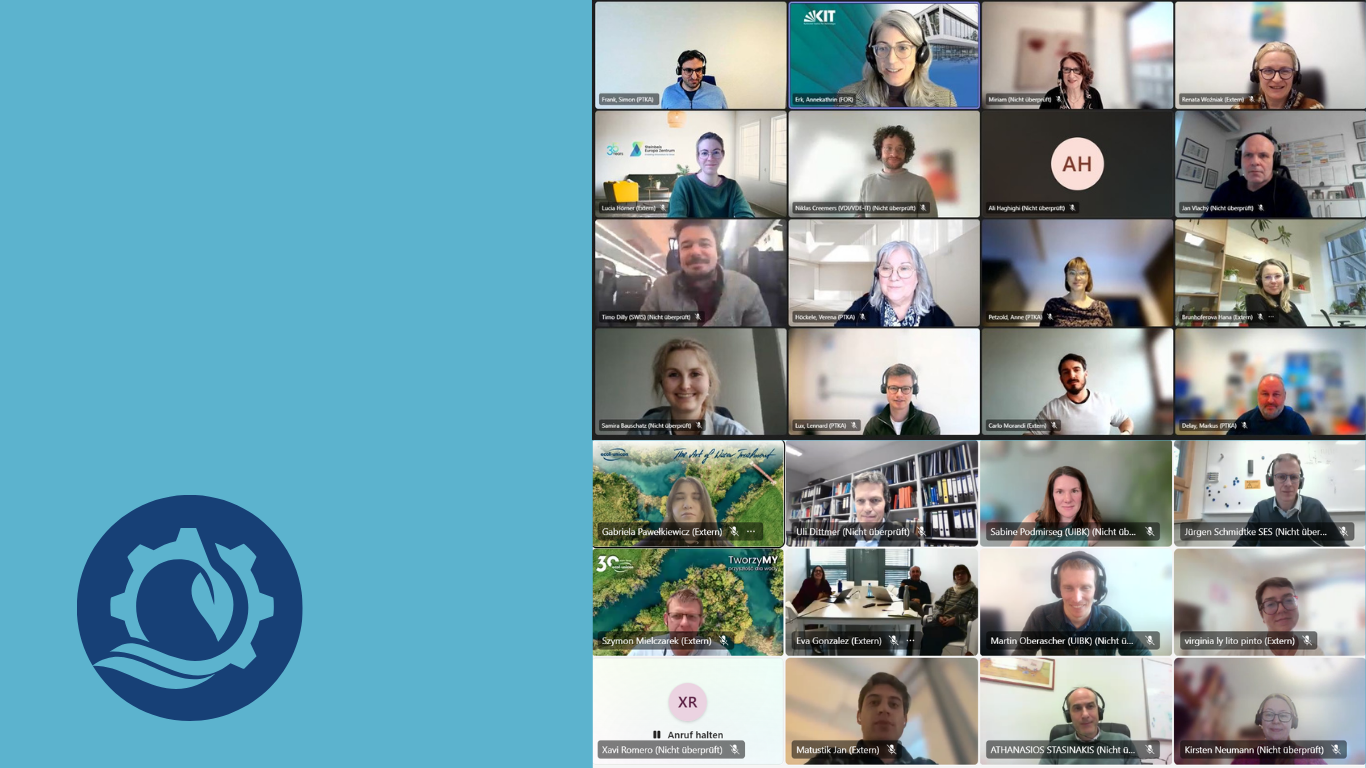
    On 3 February, the DECIRE-WATER consortium met virtually for its first progress meeting, also providing a good opportunity to welcome new team members and PhD students who have recently joined the project.

    Since the kick-off meeting in July last year, the work packages have established their regular coordination meetings, and several teams have been formed to address cross-cutting issues such as communication/dissemination and data management.

    As activities for 2026 have only recently begun, the main objective of this meeting was to ensure that all partners were aligned. During this three-hour meeting, the work package and task leaders shared updates on the progress of their work, current challenges, and next steps. Planning of all demo sites is complete, with operation set to begin between May and June 2026.

    All partners are looking forward to the next physical consortium meeting, which will be hosted by our partner Universitat Politècnica de Catalunya (UPC) in Spain in October.

  • KICK-OFF MEETING

    KICK-OFF MEETING

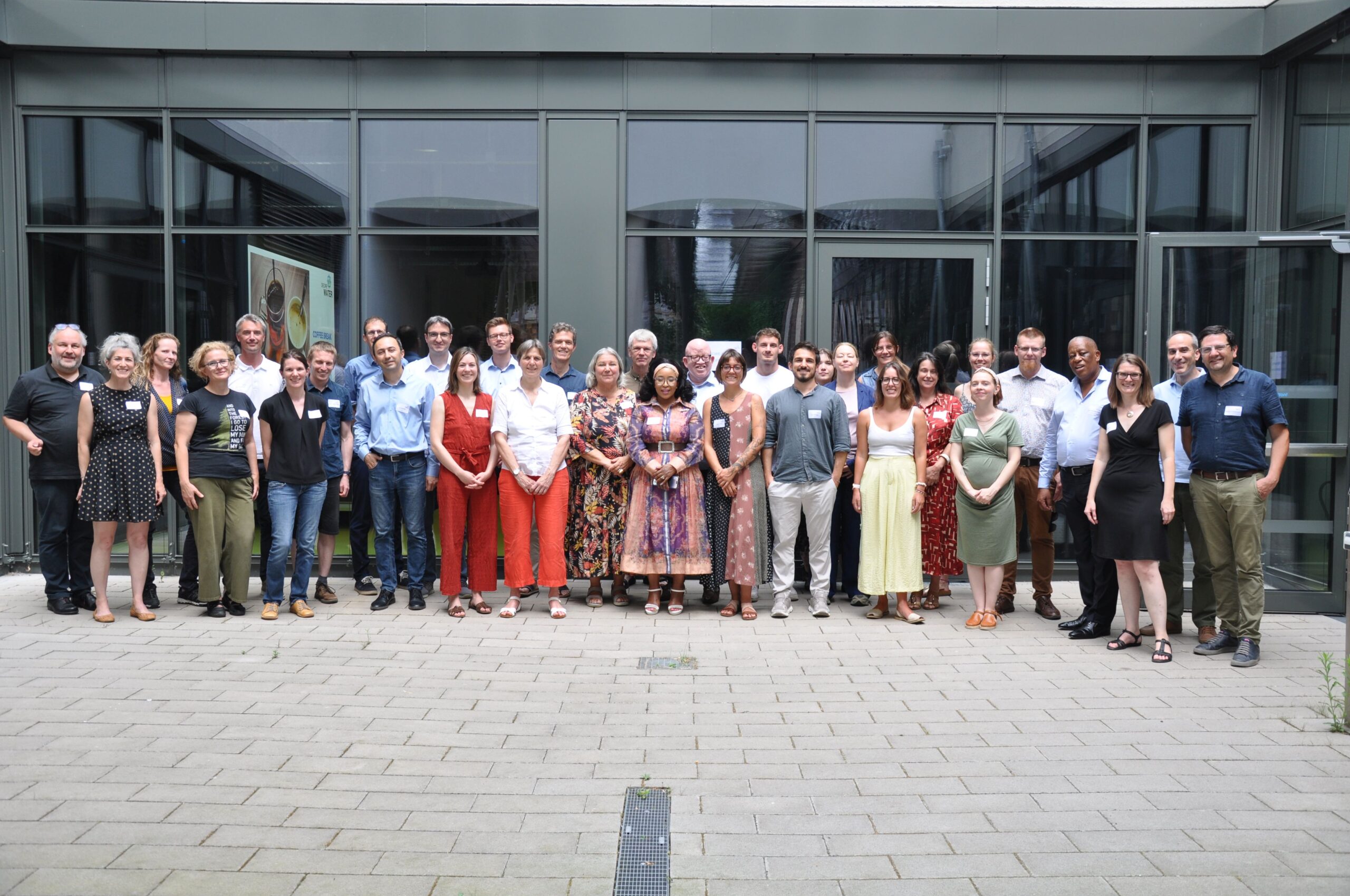
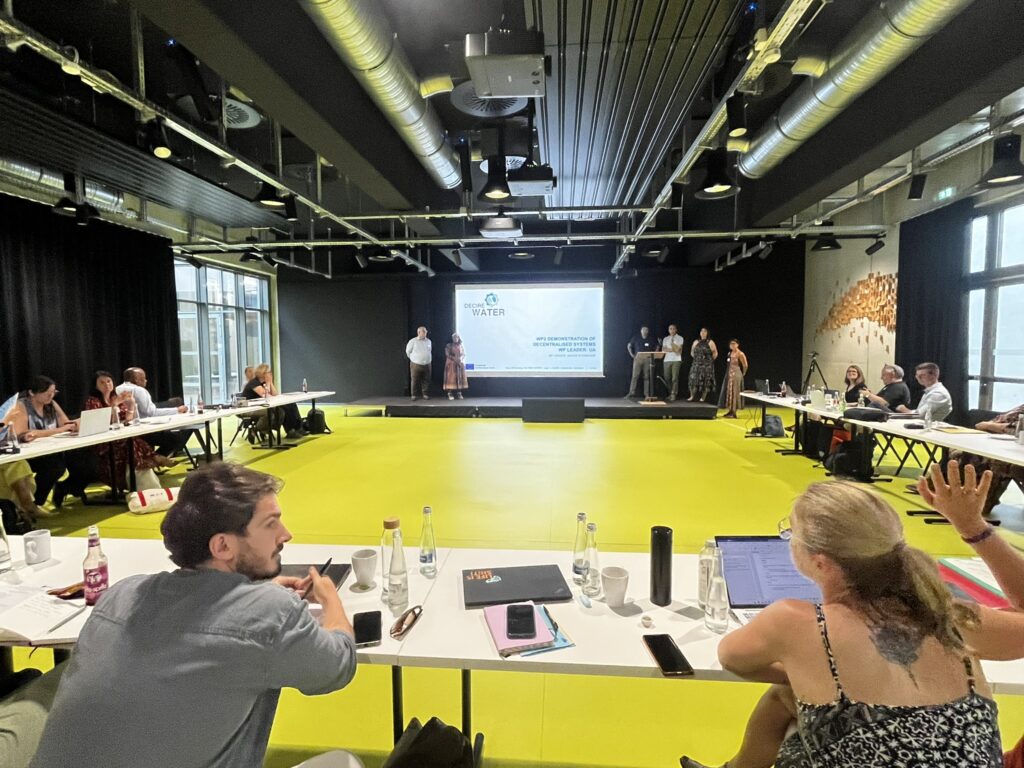
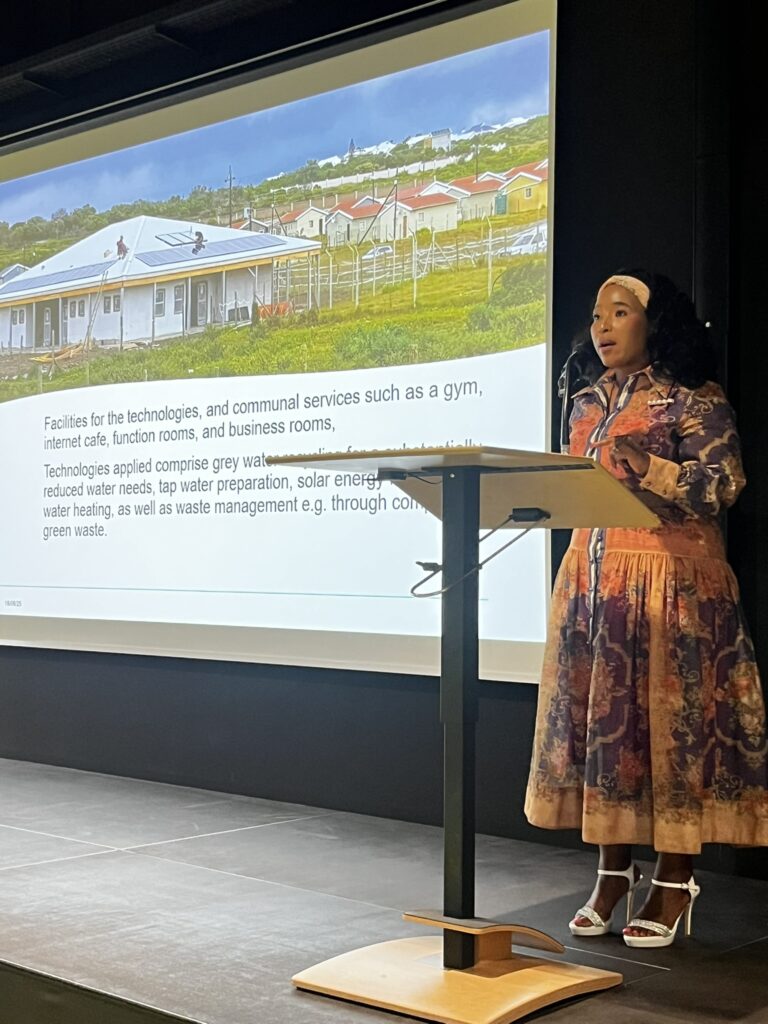
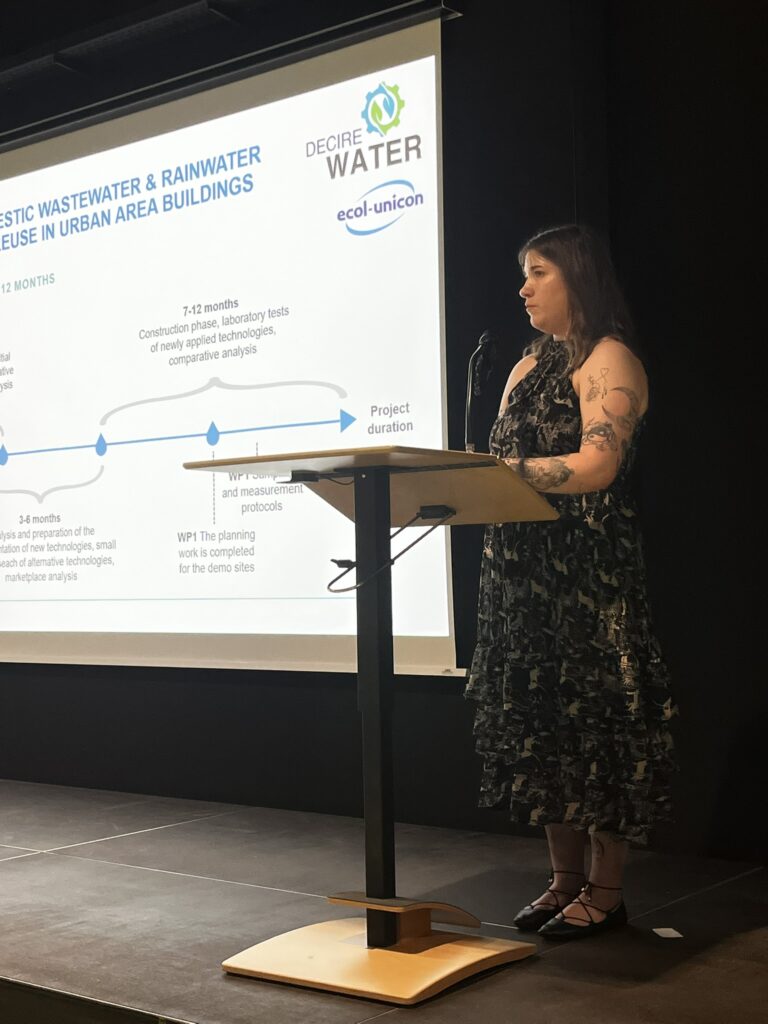
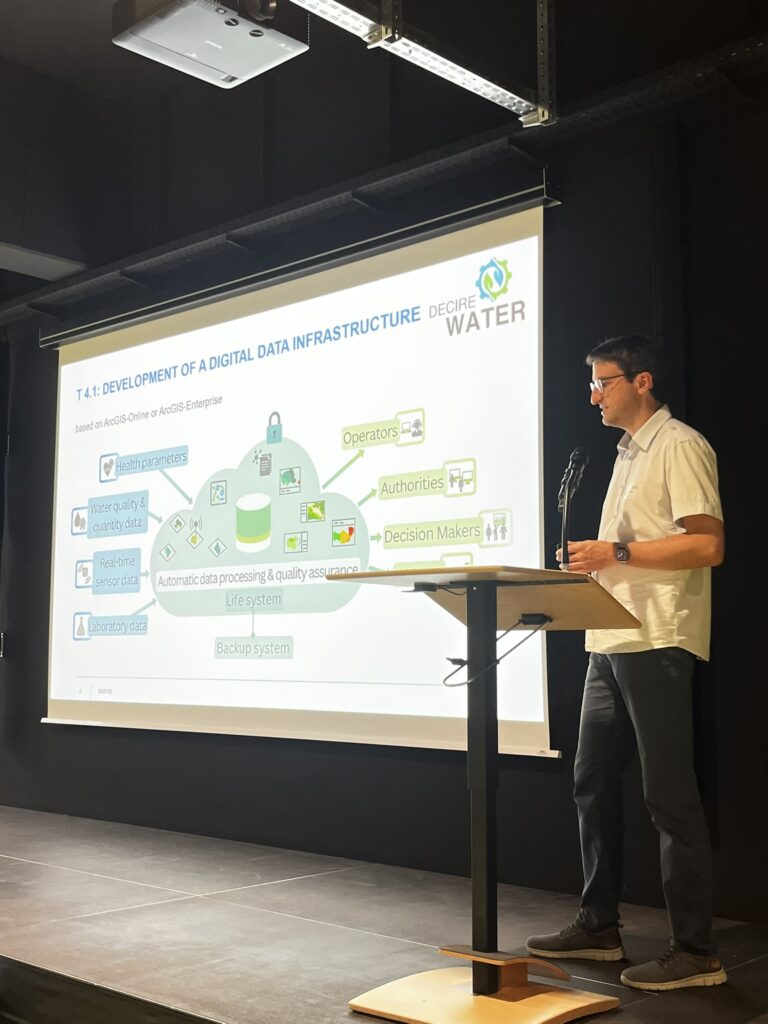
    On July 2nd and 3rd, we officially launched our EU-funded project dedicated to advancing sustainable and climate-resilient water management. The meeting was hosted by administrative Coordinator Karlsruhe Institute of Technology (KIT) and brought the consortium together for the first time.

    The fifteen partners from research, industry, environmental services, and public administration aligned on project goals, organizational structure, and next steps to ensure effective collaboration. Besides the European partners, a delegation of the South African team from partner Nelson Mandela University (NMU) travelled all the way to Karlsruhe to participate during the two days meeting.

    Key Highlights from the Meeting

    • Presentation of project objectives and work packages
    • Overview of governance, communication, and coordination strategies
    • Inspiring exchange among consortium members
    • Initial steps toward pilot regions and stakeholder engagement

    Looking Ahead

    With a strong consortium and a shared vision, we are excited to shape the future of water governance in Europe and beyond. DECIRE-WATER represents a significant step toward closing water cycles, reducing environmental impact, and building resilience against climate-related risks.