
Building the Future of Decentralized Wastewater Reuse:
Mixed Agro-Industrial and Domestic Wastewater Treatment
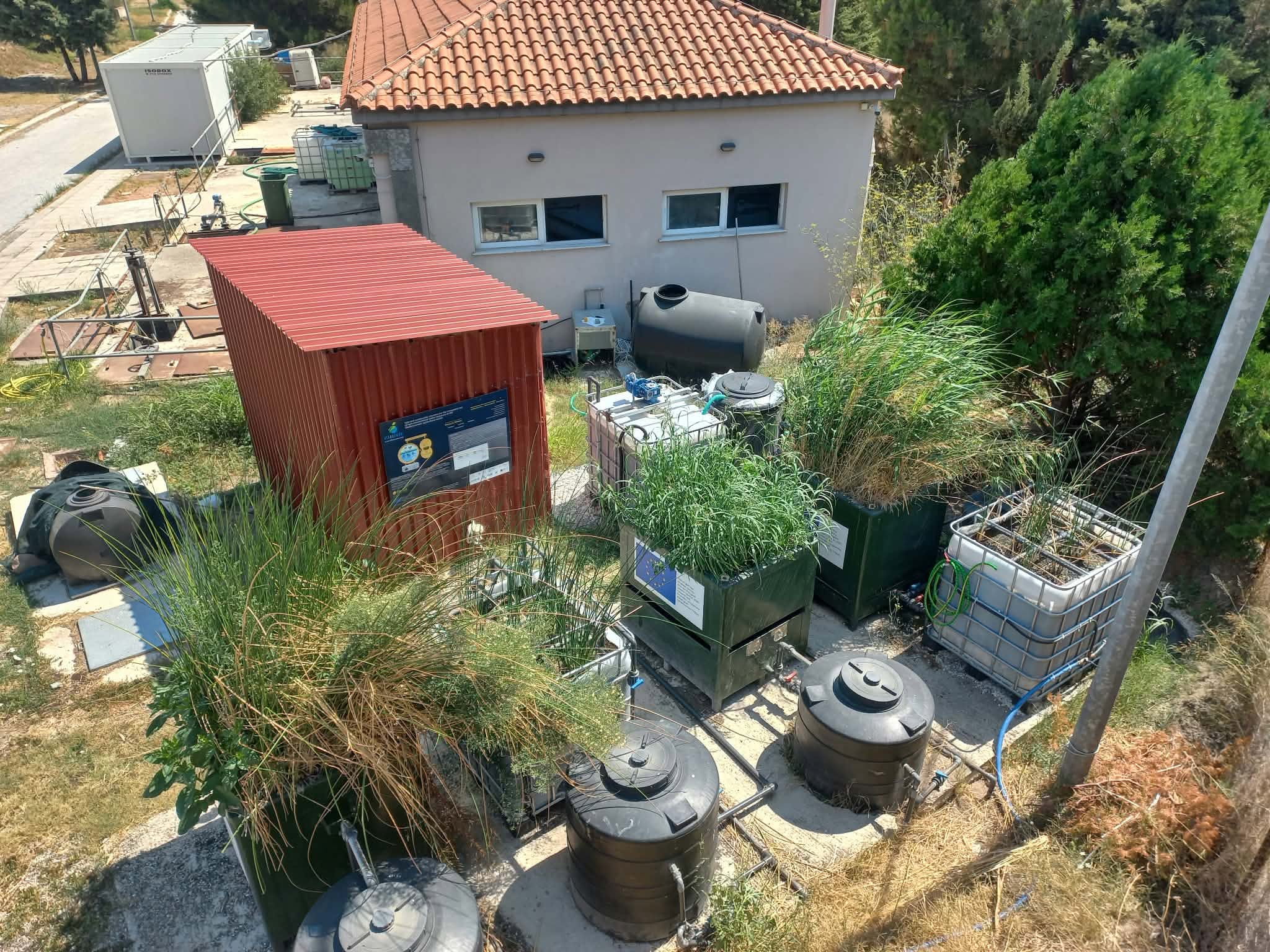
A significant step forward for the DECIRE-WATER project has been marked by the successful implementation of Demo Site 4 in Antissa on the island of Lesvos. Designed and developed by the Laboratory of Water and Air Quality team at the University of the Aegean, the demonstration site showcases an innovative decentralized wastewater treatment system designed to treat mixed domestic and agro-industrial wastewater using intensified constructed wetland technologies.
By combining nature-based solutions with engineering innovations, the pilot system aims to produce Class B reclaimed water in accordance with the principles of the European Water Reuse Regulation (EU) 2020/741, while reducing the environmental footprint of wastewater treatment in rural Mediterranean communities.
The Challenge: Complex Wastewater and Water Scarcity
Many rural areas in the Mediterranean face unique wastewater management challenges. Domestic wastewater is often combined with highly concentrated agro-industrial effluents from olive mills and dairy industries, resulting in significant seasonal fluctuations in hydraulic and, particularly, organic loads. Conventional centralized treatment systems are frequently unable to cope effectively with such variations, while many regions simultaneously experience increasing water scarcity. Demo Site 4 was designed to address both challenges by demonstrating a resilient treatment system capable of producing reclaimed water suitable for non-potable applications.
Integrating the Pilot System into the Antissa Treatment Plant
The demonstration site was constructed within the existing wastewater treatment plant of Antissa, allowing the pilot installation to operate under real environmental conditions while benefiting from the site’s existing infrastructure. Domestic wastewater is supplied directly from the treatment plant, whereas agro-industrial wastewater is transported from nearby dairy facilities and olive mills, enabling the investigation of different wastewater mixtures representative of rural Mediterranean conditions.
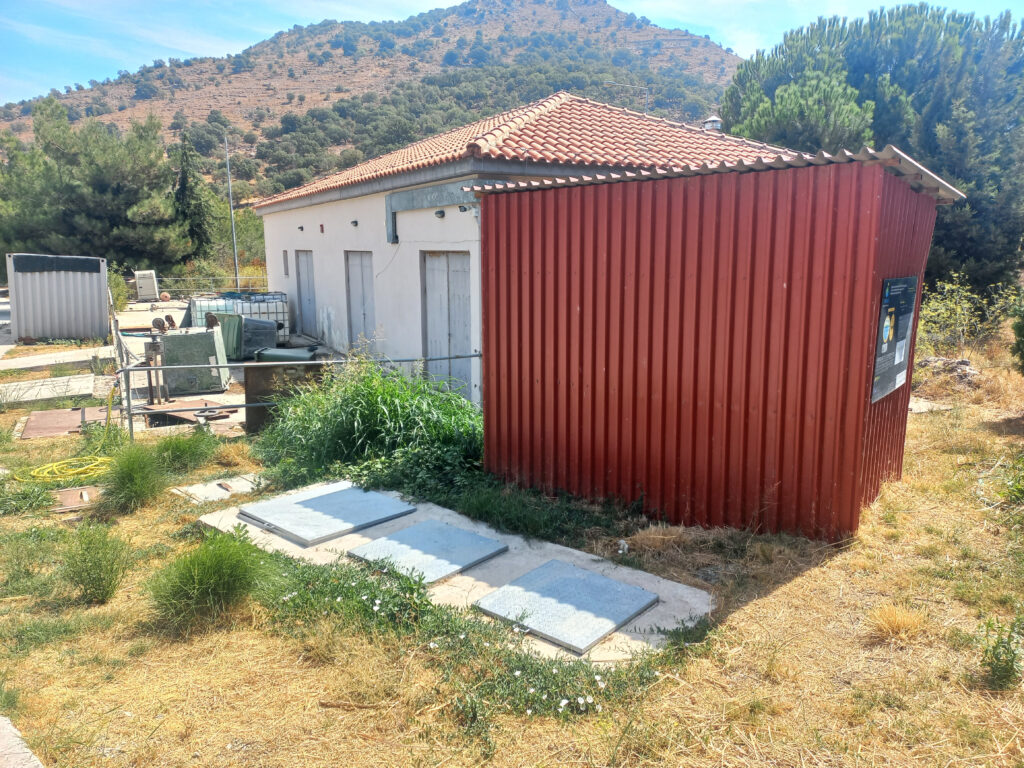
Construction process –
Tackling Complex Wastewater Streams
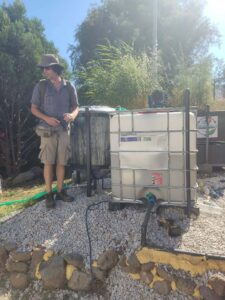
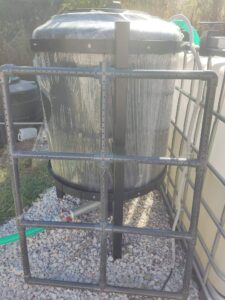
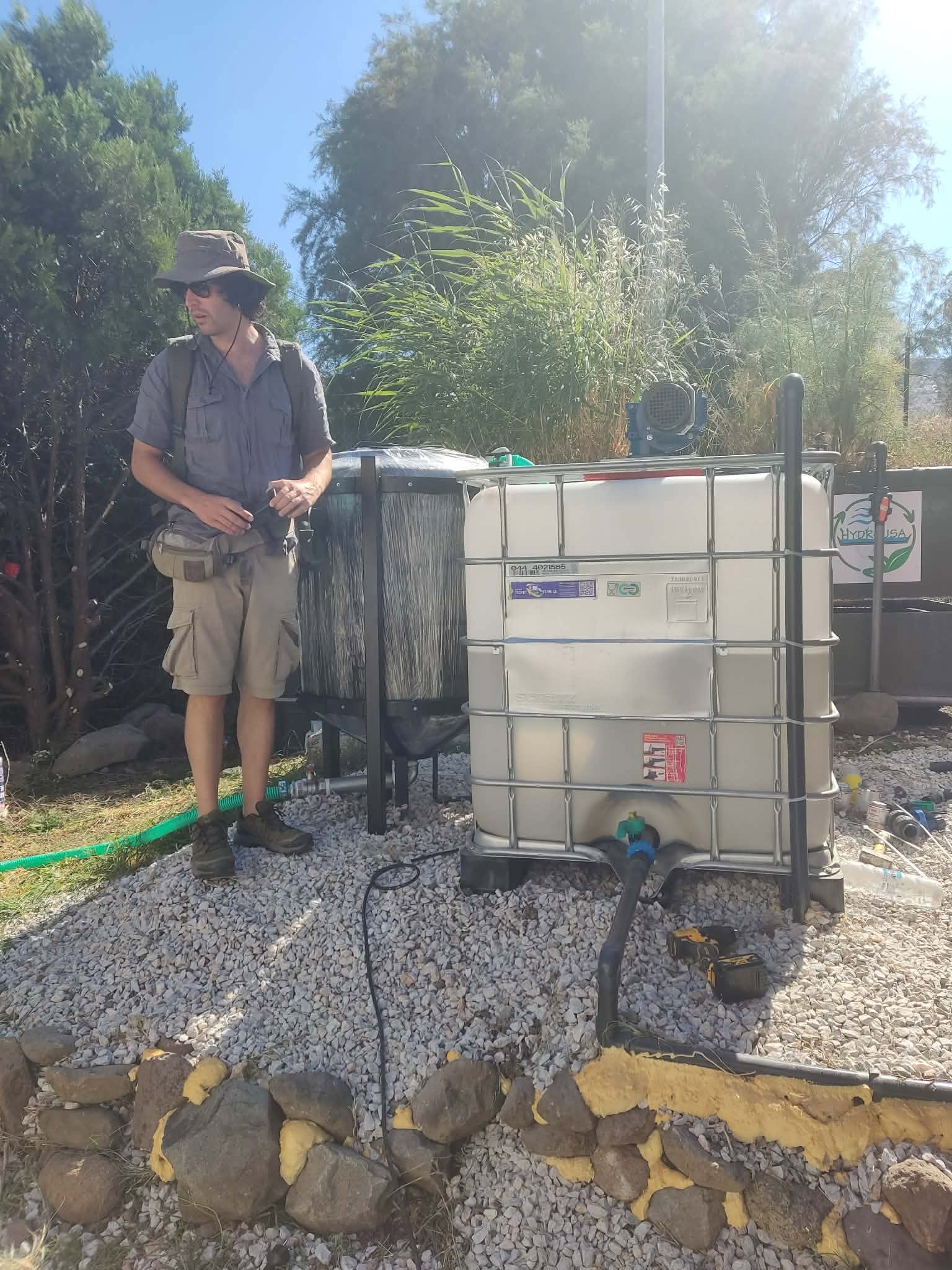
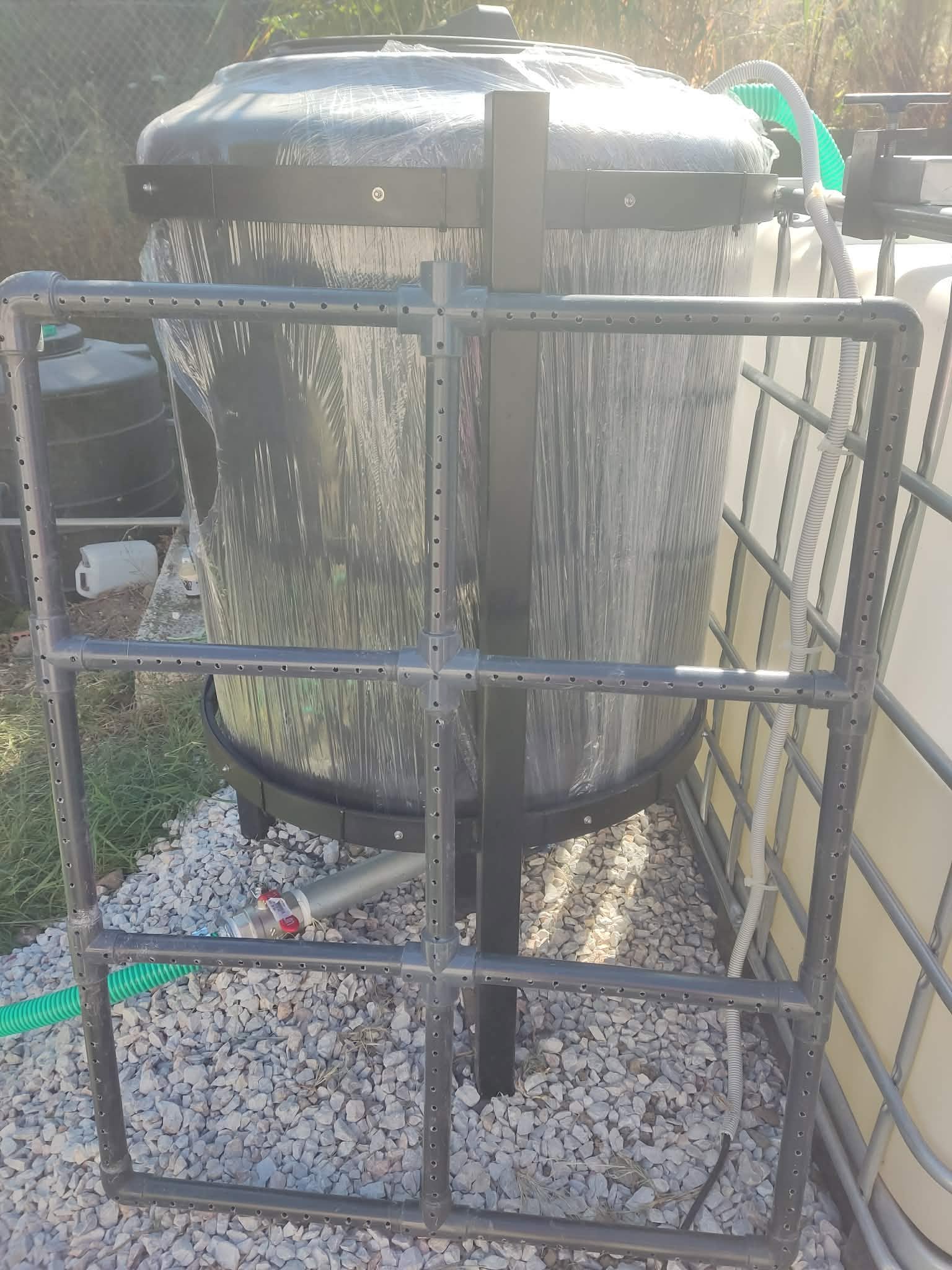
A major focus during the implementation of Demo Site 4 was the construction of the complete treatment train. The system begins with separate pre-treatment units for the two wastewater streams. Domestic wastewater passes through a three-chamber septic tank, where suspended solids are removed before entering the biological treatment processes. Agro-industrial wastewater is first collected in a conical sedimentation tank, allowing coarse solids to settle and minimizing the risk of clogging in downstream units. Both streams are subsequently transferred to a dedicated mixing tank, where controlled mixing enables researchers to simulate different operational scenarios throughout the project.
The Core Treatment System
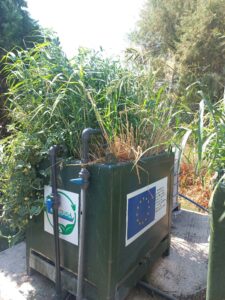
The heart of the installation consisted of three parallel pilot-scale vertical subsurface-flow constructed wetlands, each with a surface area of 1 m² but incorporating different treatment concepts. The first serves as a conventional control wetland filled with sand and gravel. The second is an intensified aerated wetland equipped with a diaphragm blower that intermittently supplies oxygen to enhance biological degradation.
The third incorporates an electroconductive coke substrate, an innovative filling material designed to stimulate electroconductive microbial communities while simultaneously enhancing adsorption processes and pollutant removal. All three wetlands were carefully constructed with hydraulic distribution networks, substrate filter layers, dedicated drainage systems, and individual outlet controls, allowing direct comparison under identical loading conditions.
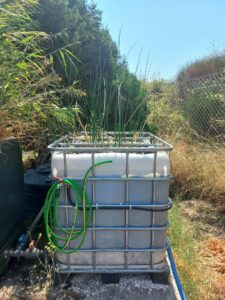
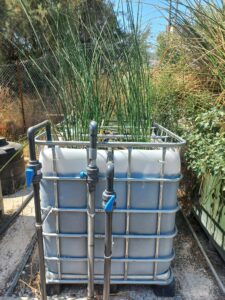
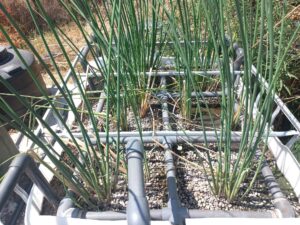
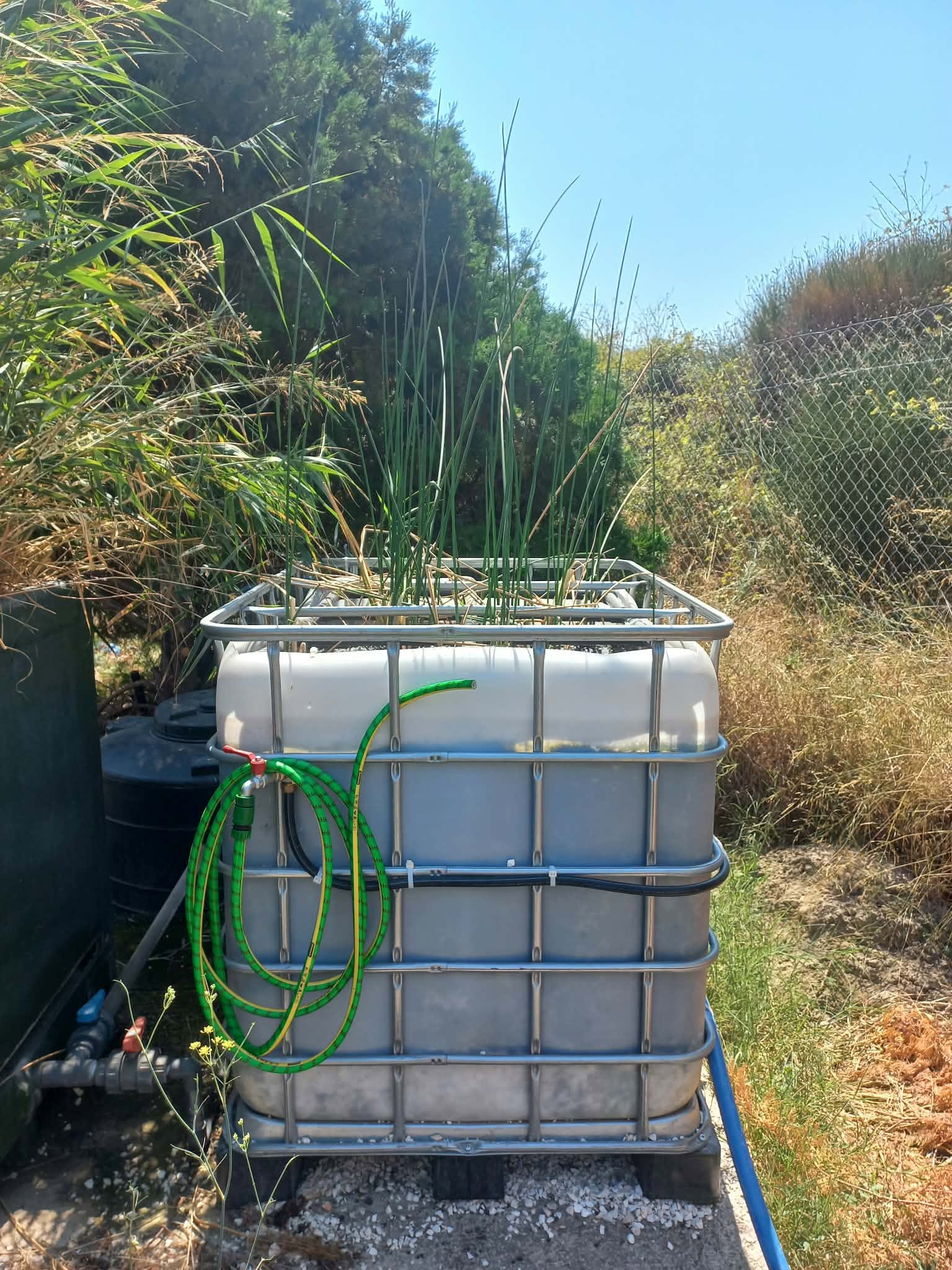
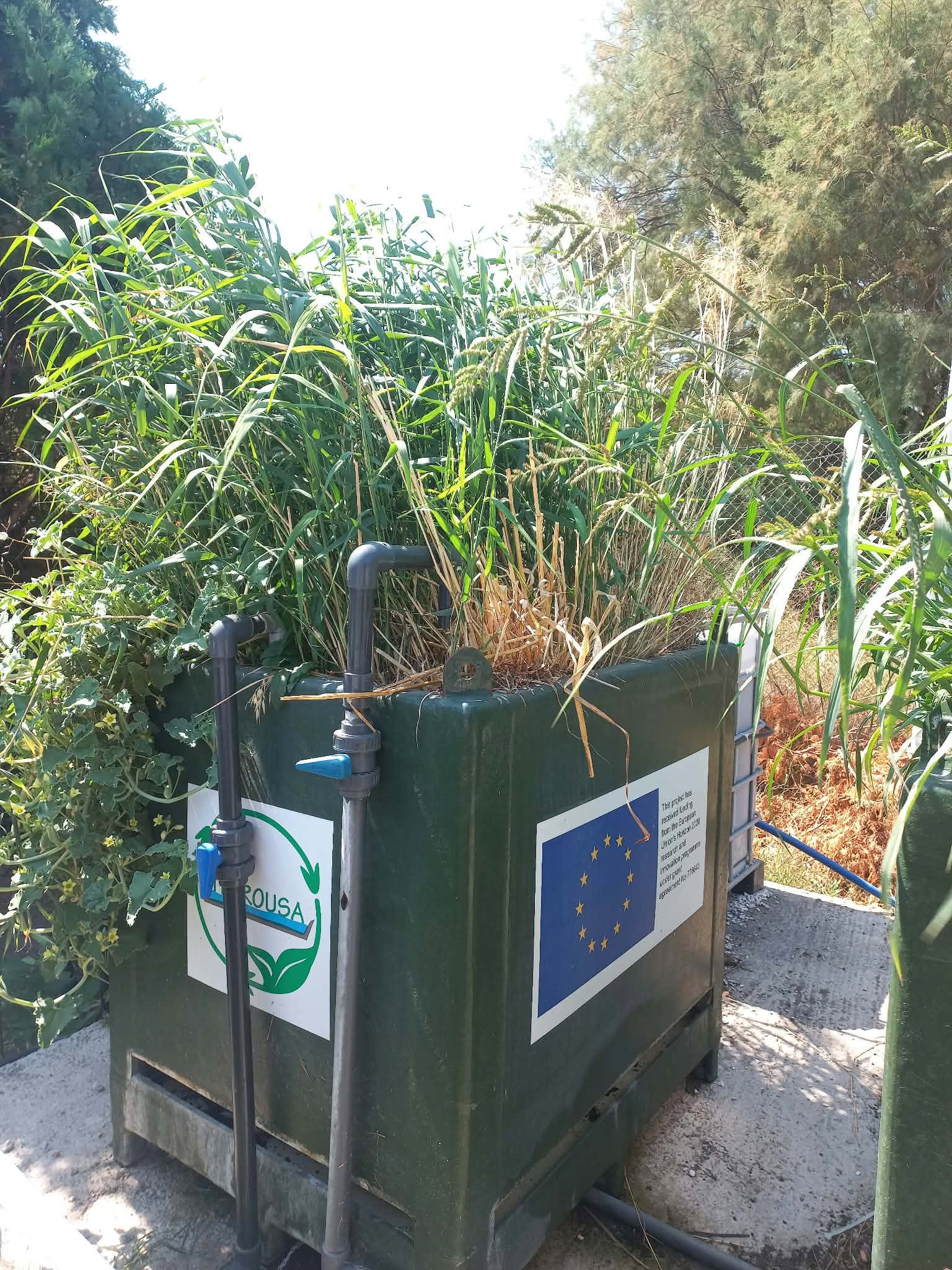
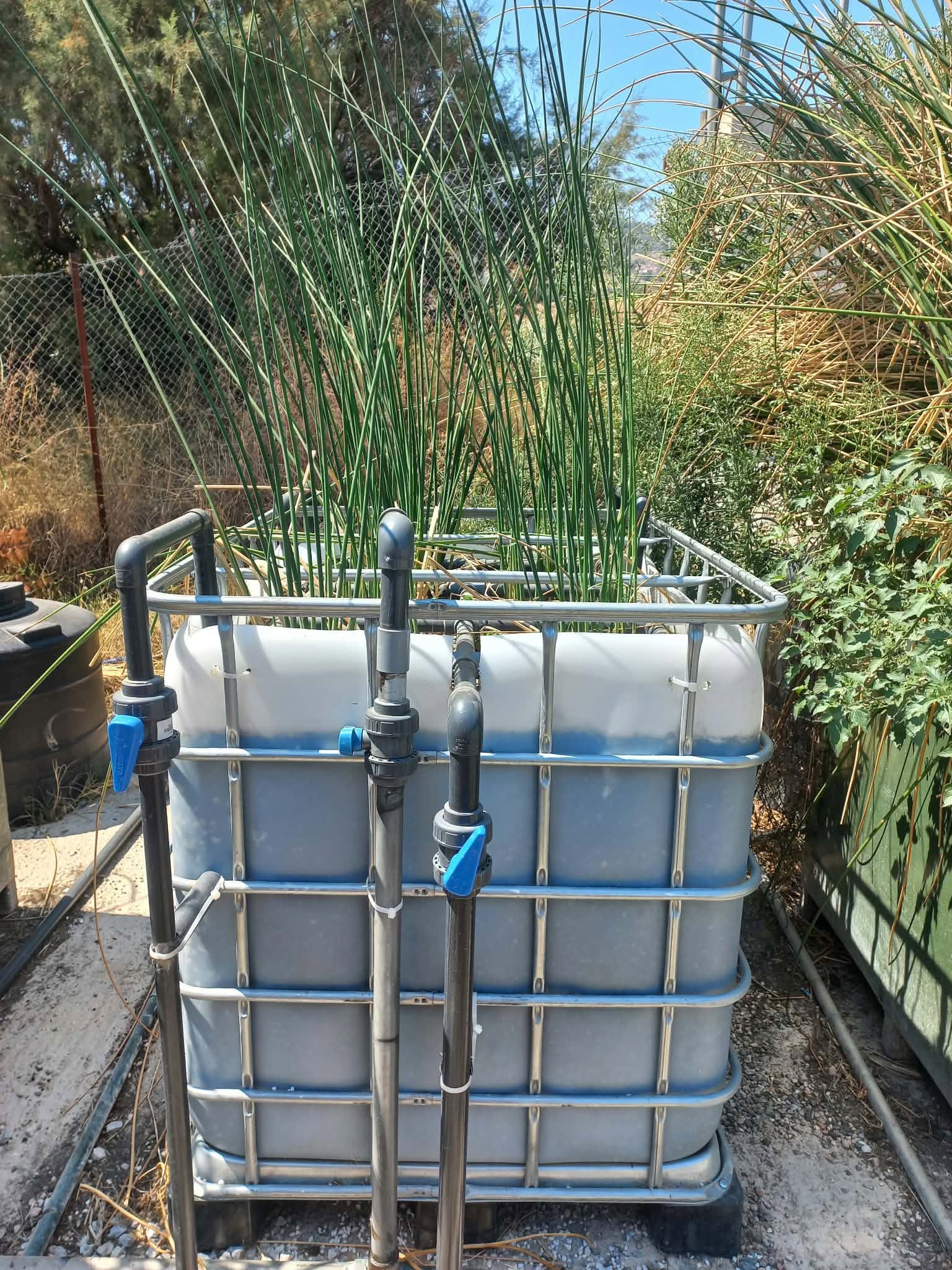
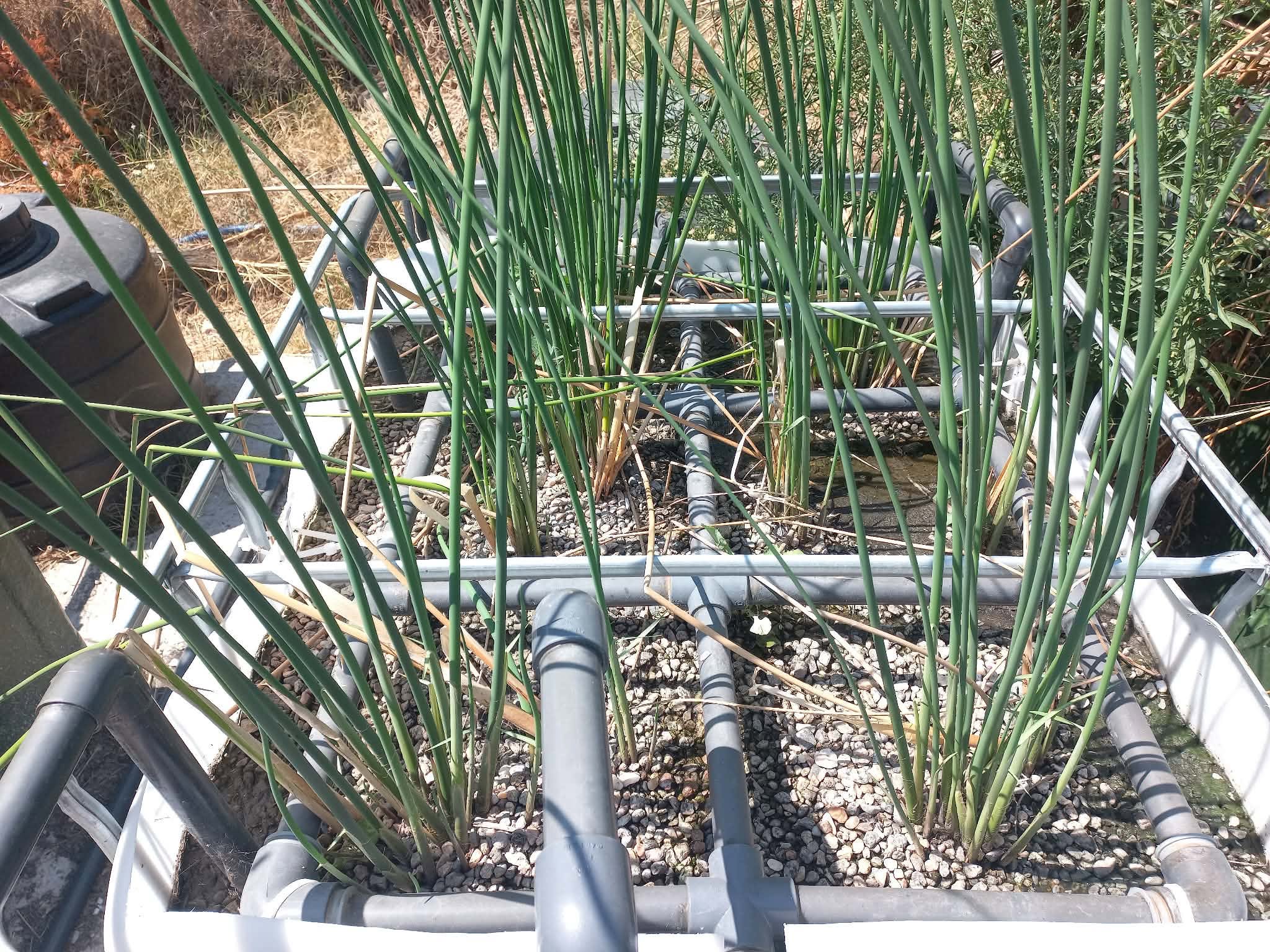
To ensure reliable operation, the pilot installation includes four individual effluent collection tanks, three corresponding to each constructed wetland and one serving as a storage tank for agro-industrial wastewater. A fifth tank was constructed to serve as a mixing tank, where both types of wastewater are homogenized before being introduced into the constructed wetlands. An integrated pumping system equipped with flow meters, automated valves, and a programmable logic controller (PLC) enables automated processes and operational flexibility. Following treatment, the reclaimed water passes through a UV disinfection unit to ensure microbiological safety before being stored for potential non-potable reuse applications.
Operational Status and Future Research Activities
With construction now complete, Demo Site 4 is fully equipped to evaluate the performance of intensified constructed wetlands under increasing hydraulic and organic loading rates that significantly exceed those of conventional systems. The upcoming operational phase will investigate conventional pollutants removal, micropollutants attenuation, and pathogen reduction. The knowledge generated at the Antissa demonstration site will provide valuable scientific evidence supporting the wider implementation of decentralized circular water reuse systems for rural communities across Europe, helping transform wastewater from an environmental burden into a sustainable water resource.
Author and images: I. Priovolos