
Local voices shape DECIRE-WATER’s South African demonstration site
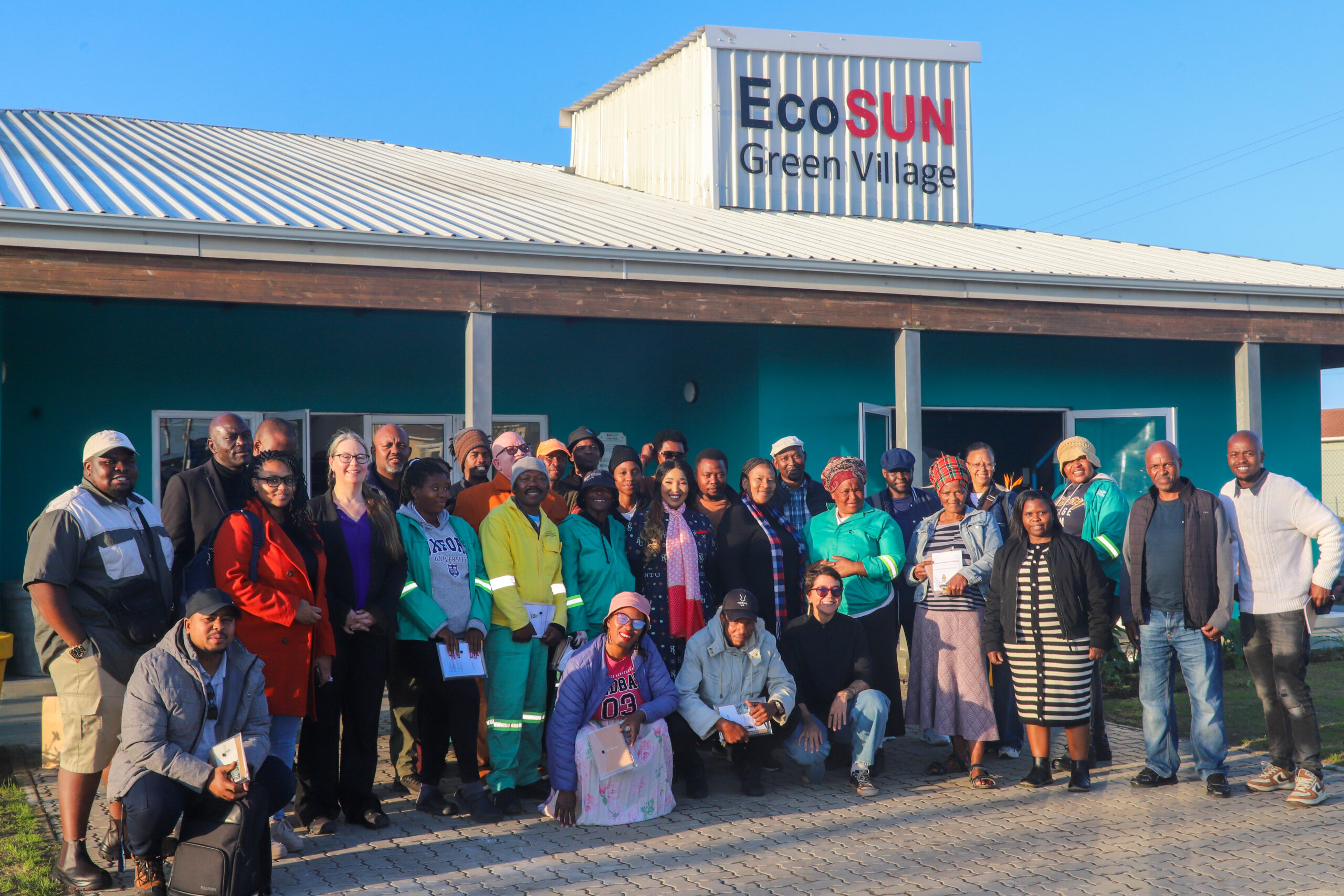
On 17 June 2026, the first DECIRE-WATER stakeholder workshop was held in the EcoSUN Village in Ndlambe Municipality, Kenton-on-Sea, South Africa. It brought together the local community, researchers, public authorities and water-sector representatives to help shape the project’s South African demonstration site.
Co-design and co-creation are central to developing the waste water treatment solutions offered through the demo sites of the DECIRE-WATER project. Rather than introducing a predefined technical solution, the project aims to involve the people and institutions affected by it – from the planning stage onwards. This approach helps to ensure that decentralised water solutions respond not only to technical requirements, but also to local social, economic and cultural conditions and needs, while strengthening trust and local ownership. Stakeholder participation is a core part of the project´s methodology and its pathway towards wider acceptance and uptake of decentralised water solutions.
Bringing stakeholders together through co-design
The workshop gathered a total of 46 participants and was jointly organised by the project partners Nelson Mandela University (NMU), RPTU Kaiserslautern-Landau and VDI/VDE Innovation + Technik GmbH. The participants represented four main stakeholder groups, such as local and national government, water-sector institutions, researchers from Nelson Mandela University and RPTU and the local community.
Among them were representatives of the Eastern Cape Department of cooperative governance and traditional affairs (ECOGTA), members of the Departement of science, technology and Innovation (DSTI), the director of the department of water and sanitation (DWS) and several members of the Local Ndlambe Municipality. Various institutions were well represented, but the local perspectives were at the centre of the discussions as participation of the community was particularly strong.
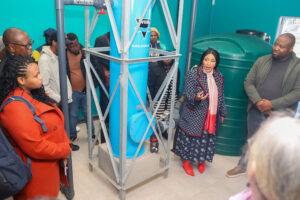
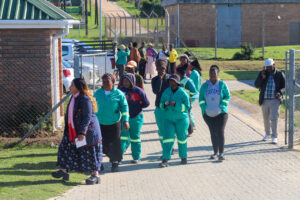
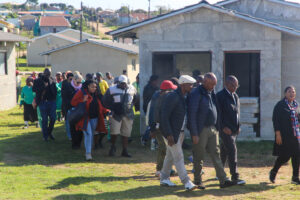
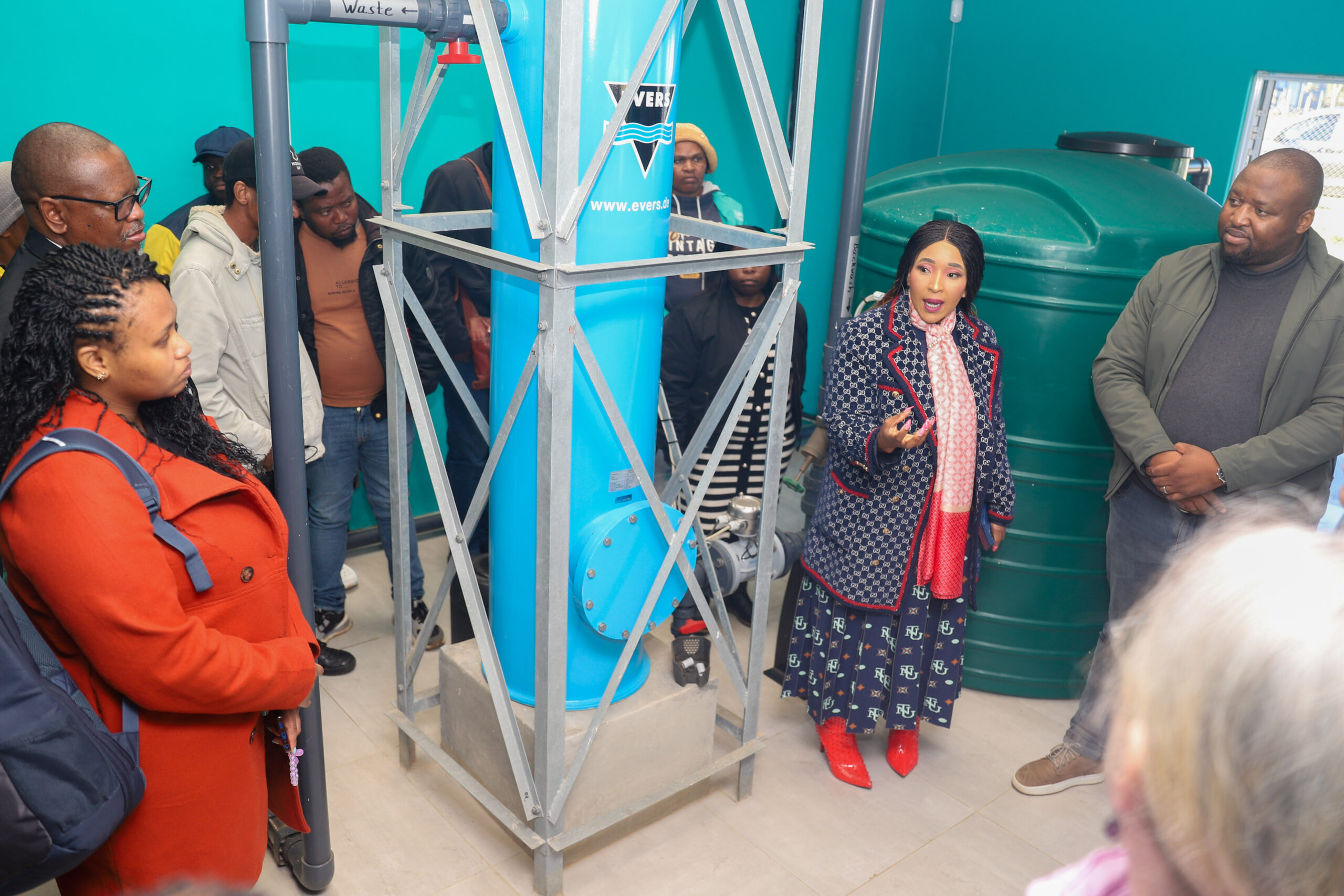
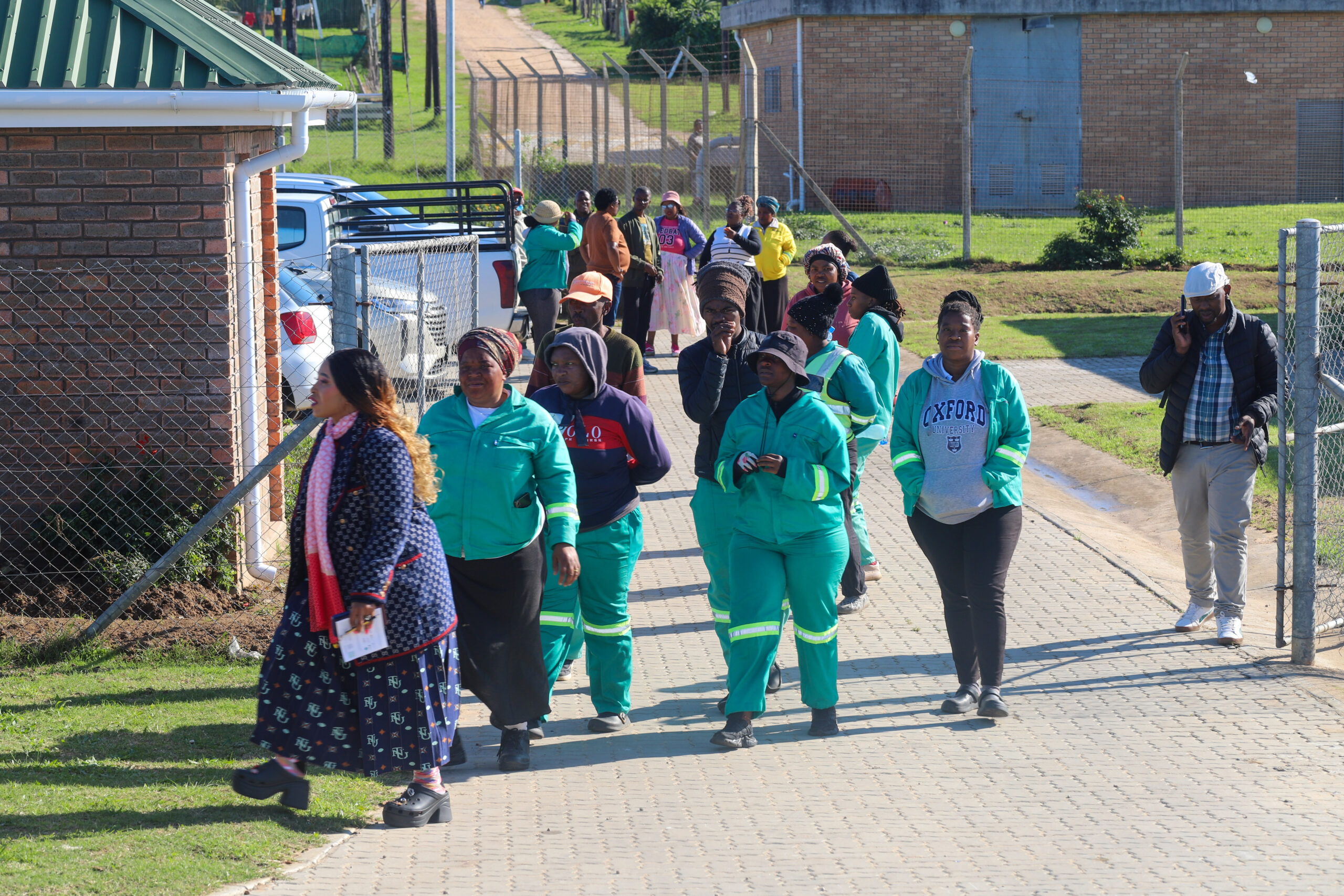
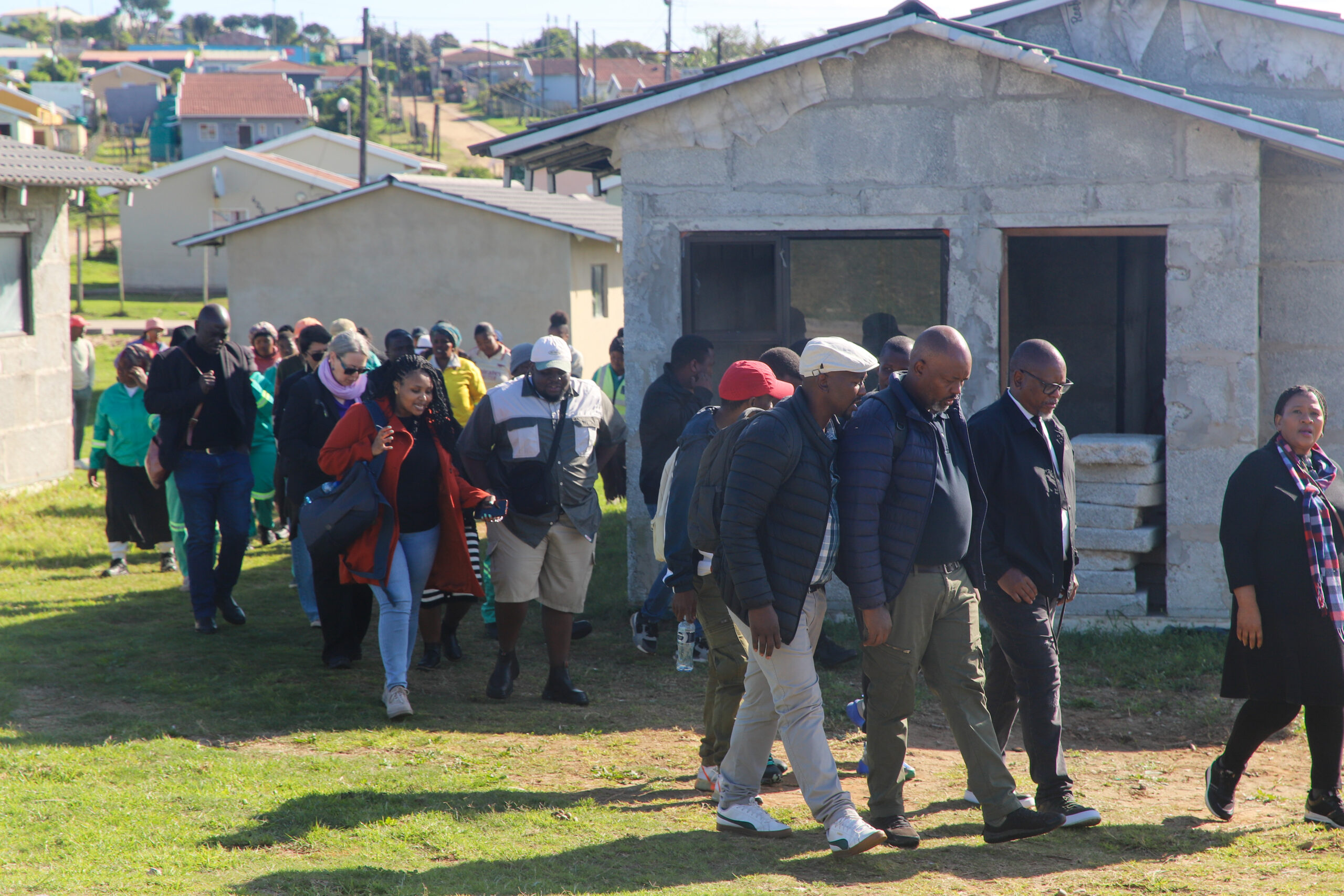
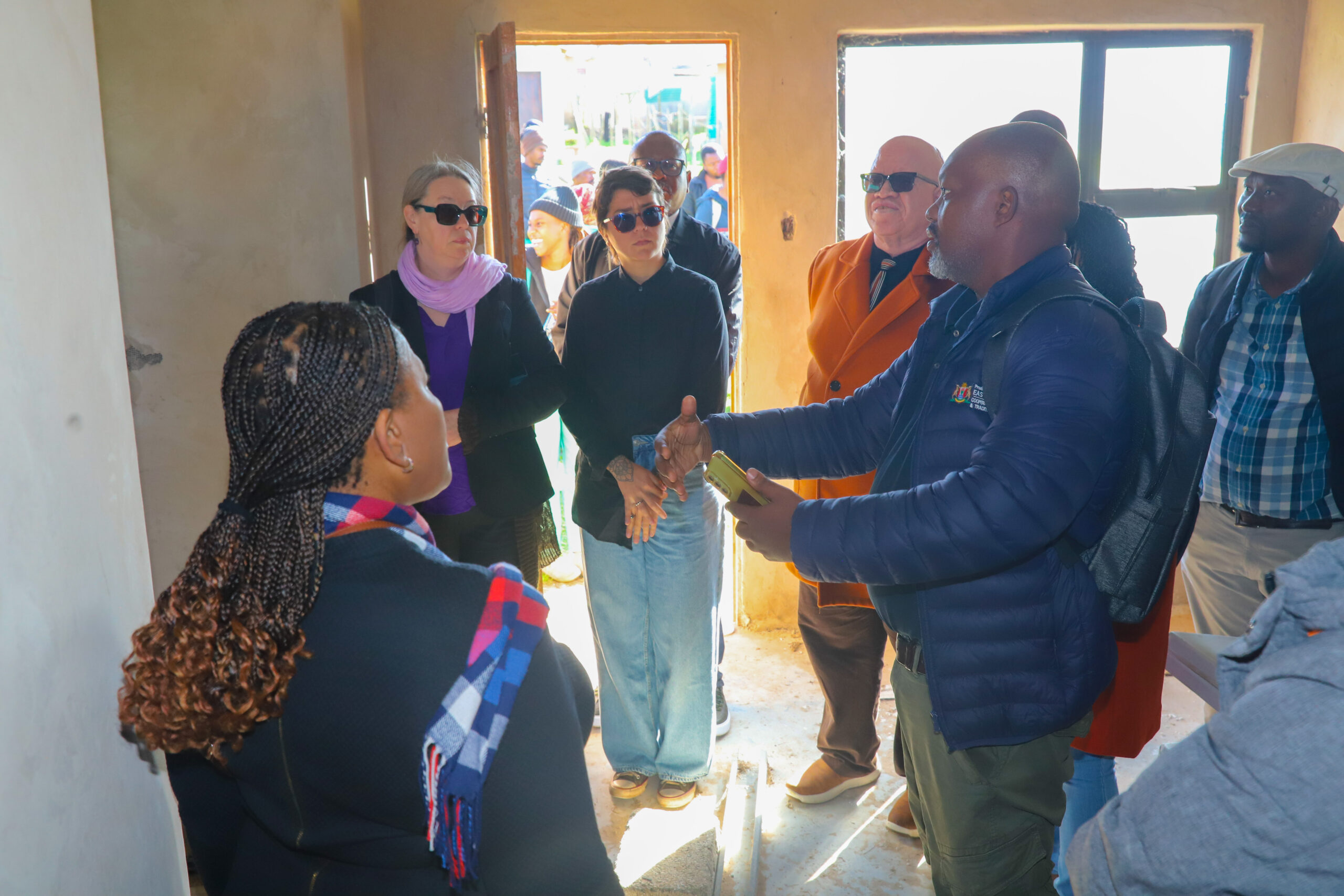
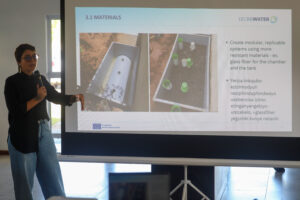
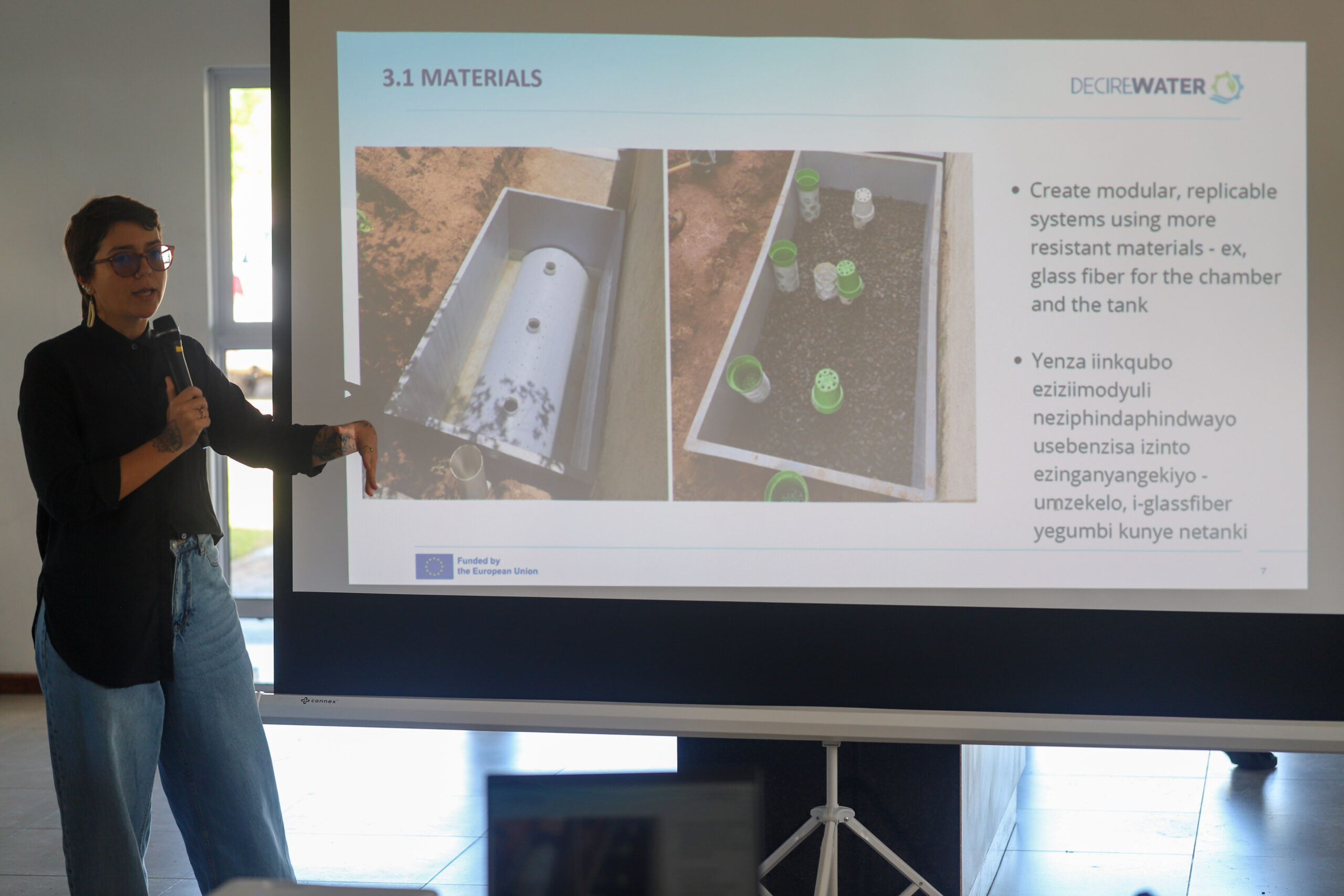
The workshop began with welcoming remarks from representatives of Ndlambe Municipality, followed by a round of introductions among all participants. The Deputy Director of Ndlambe Municipality then led a tour of the EcoSUN Village, providing participants with an overview of the site and its local context. Following the tour, RPTU introduced the evapotranspiration tank (TEvap) system planned for implementation at the community and presented its main principles and intended application within the project.
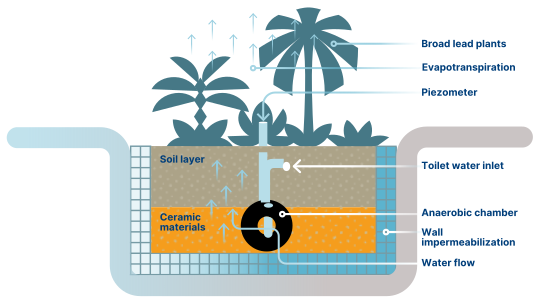
The TEvap is a nature-based, decentralised system for the treatment of household blackwater. Building on experience with TEvap systems in Brazil, DECIRE-WATER will further develop the concept for South African conditions, working towards a modular and scalable solution using locally appropriate materials and adapted design and operation.
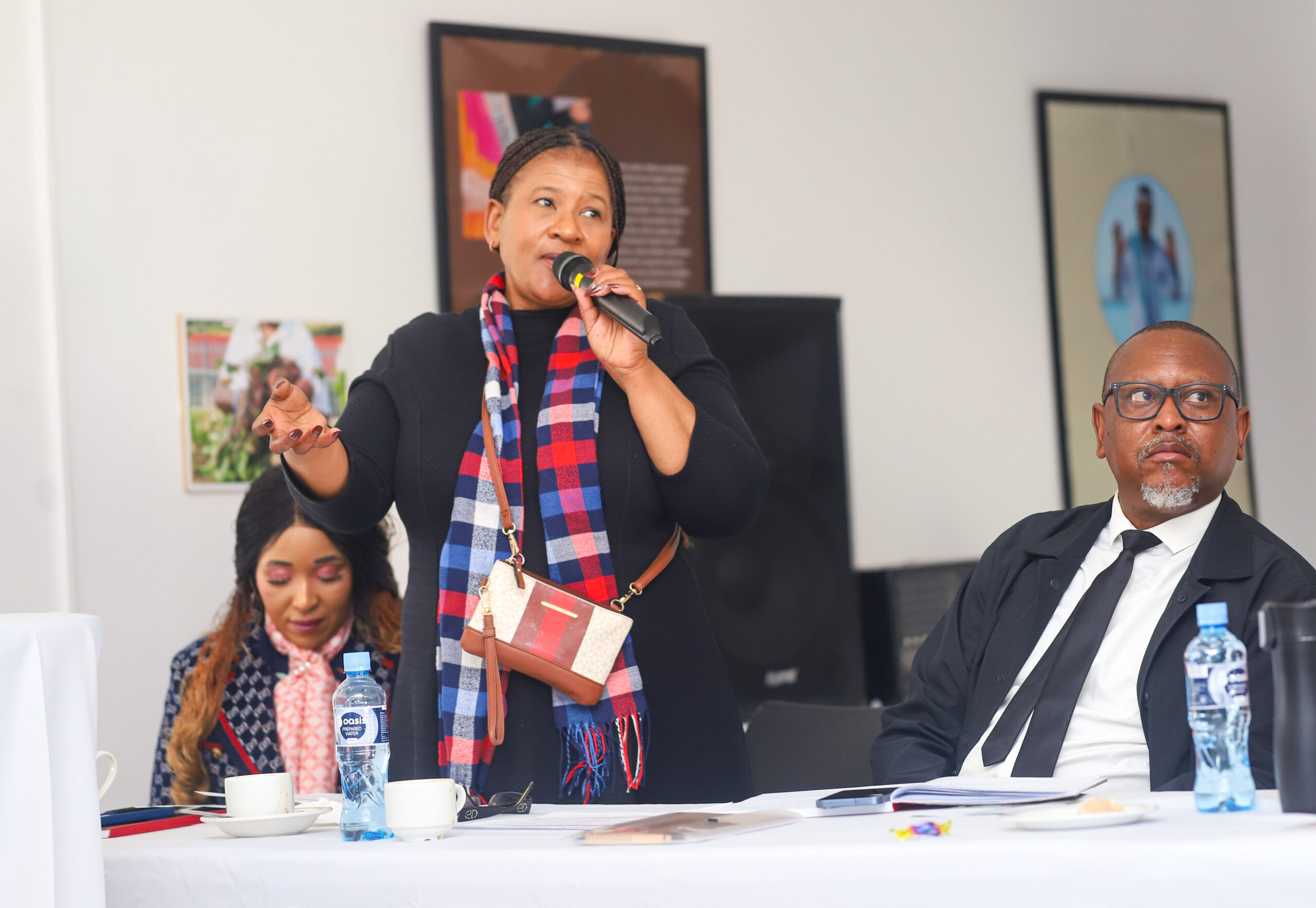
Local perspectives drive the discussion
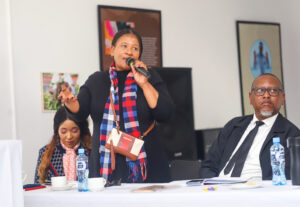
Following this presentation, the World Café methodology and workshop structure were introduced by VDI/VDE. Participants were informed about the discussion format, the rotation between thematic groups, and the role of each session in gathering perspectives and inputs from the different stakeholder groups.
The discussions in the groups crystalized around the following topics:
technology, public perception, governance and regulation, business opportunities.
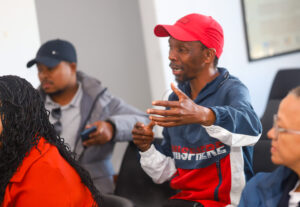
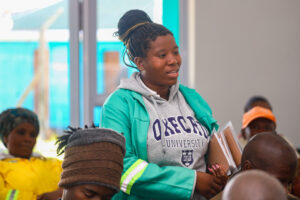
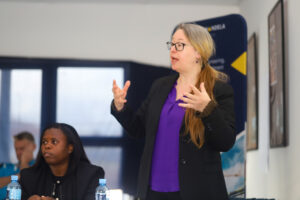
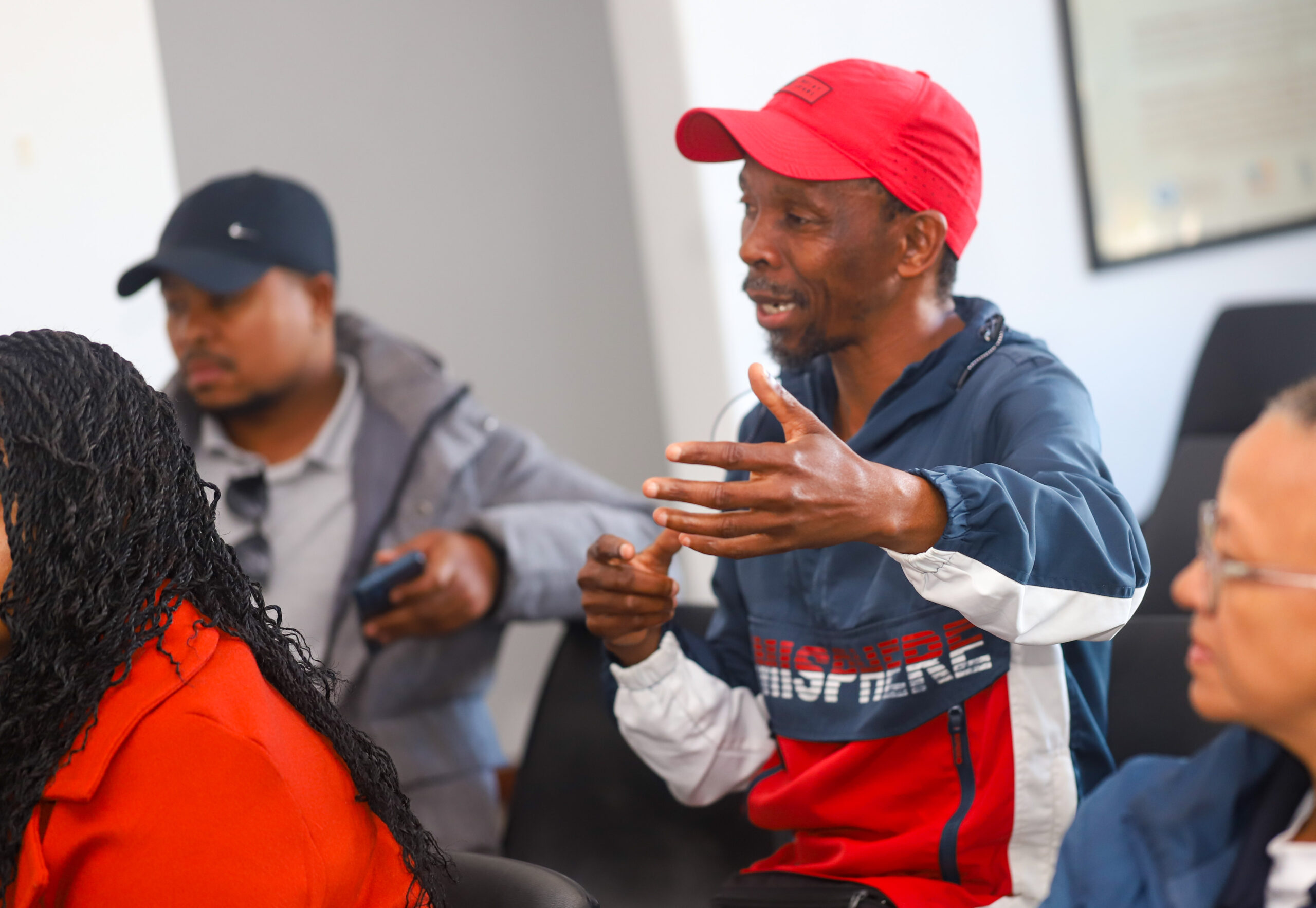
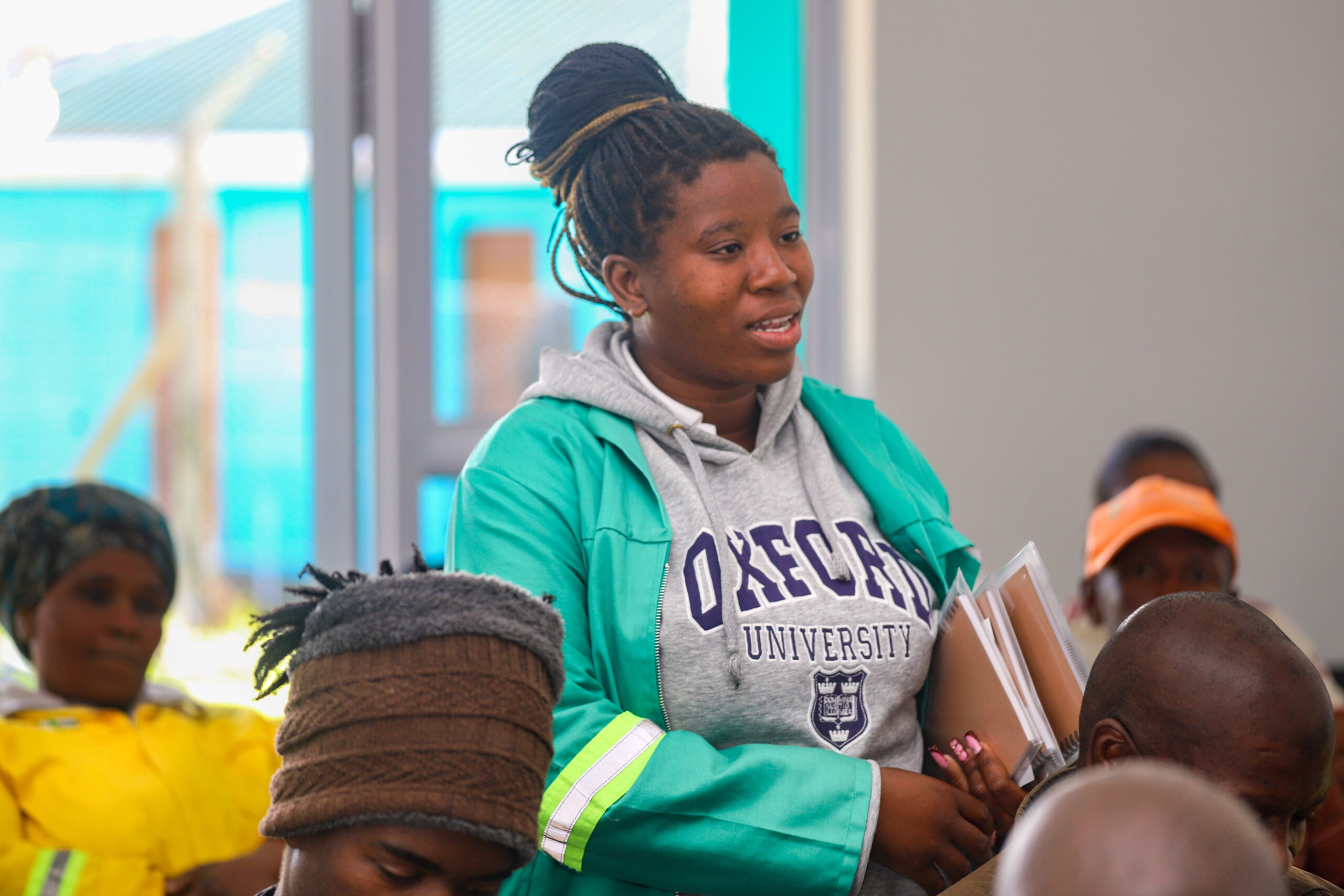
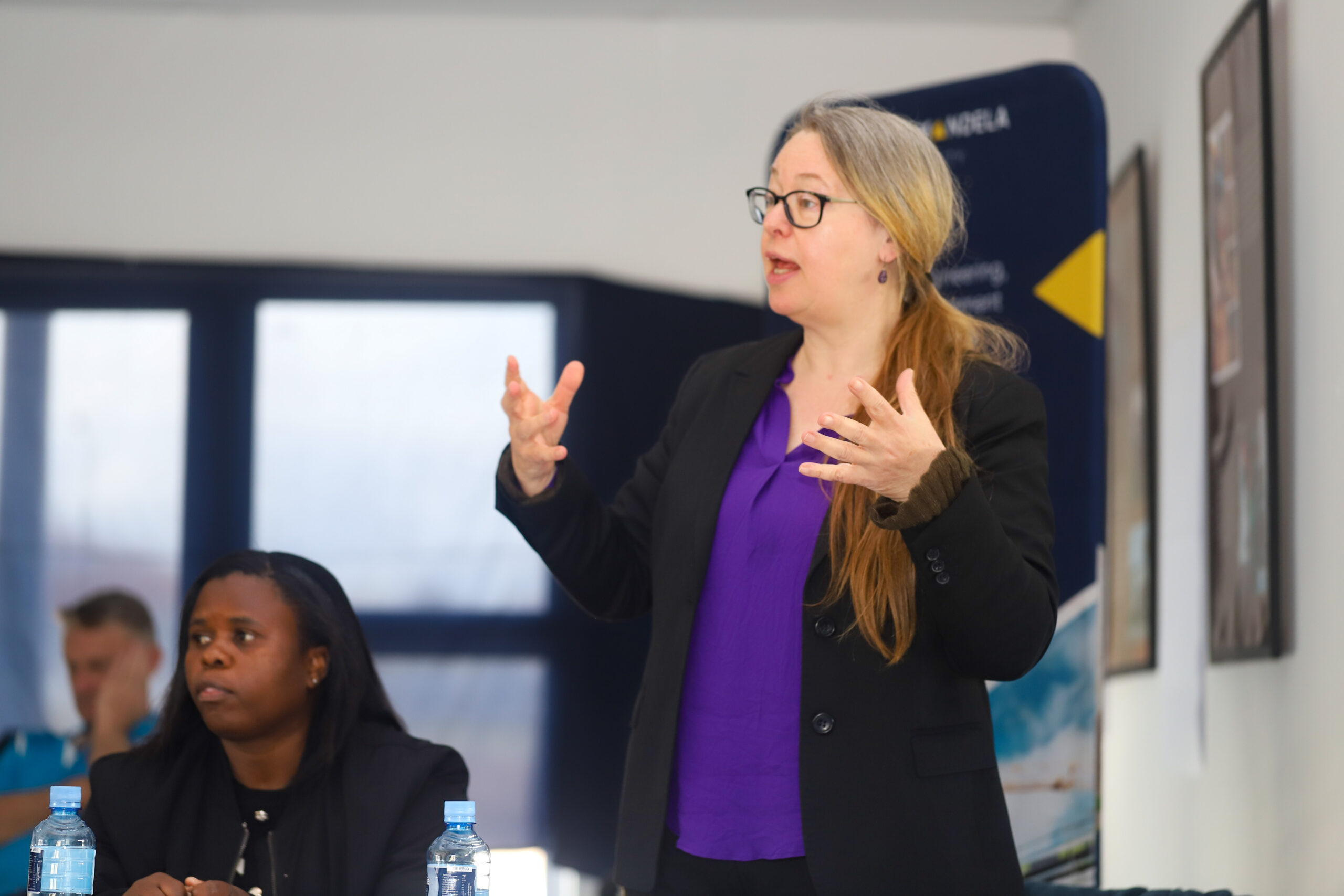
The participatory format encouraged open exchange between participants with diverse backgrounds and with different levels of technical experience. Discussions were adapted to the local context, with all key information translated to IsiXhosa, the main spoken local language. This created opportunities for participants to communicate and explain their concerns and expectations in their own terms, resulting in inclusive and lively discussions.
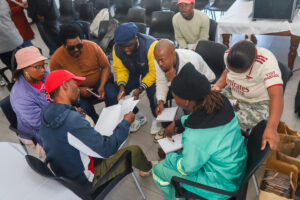
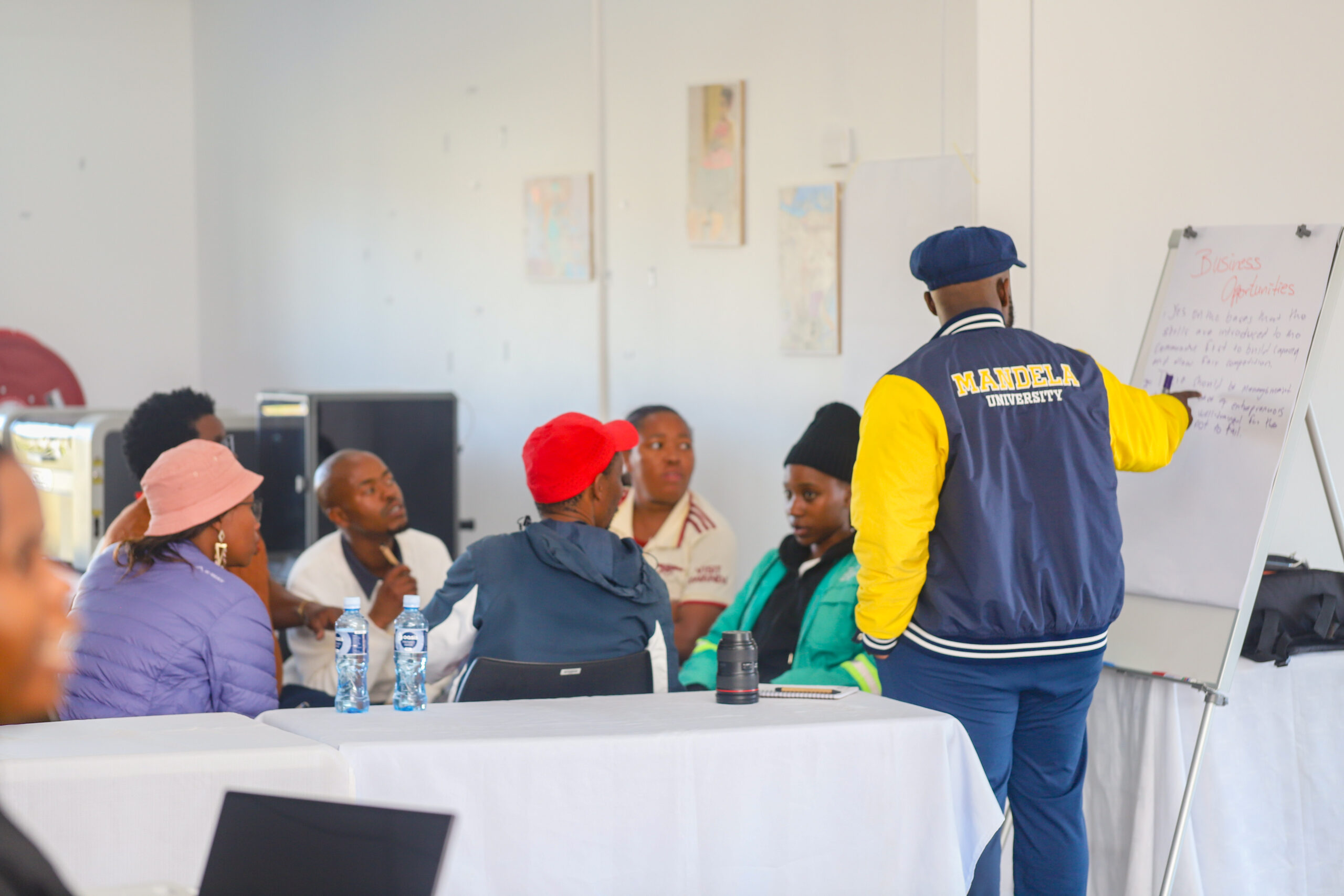
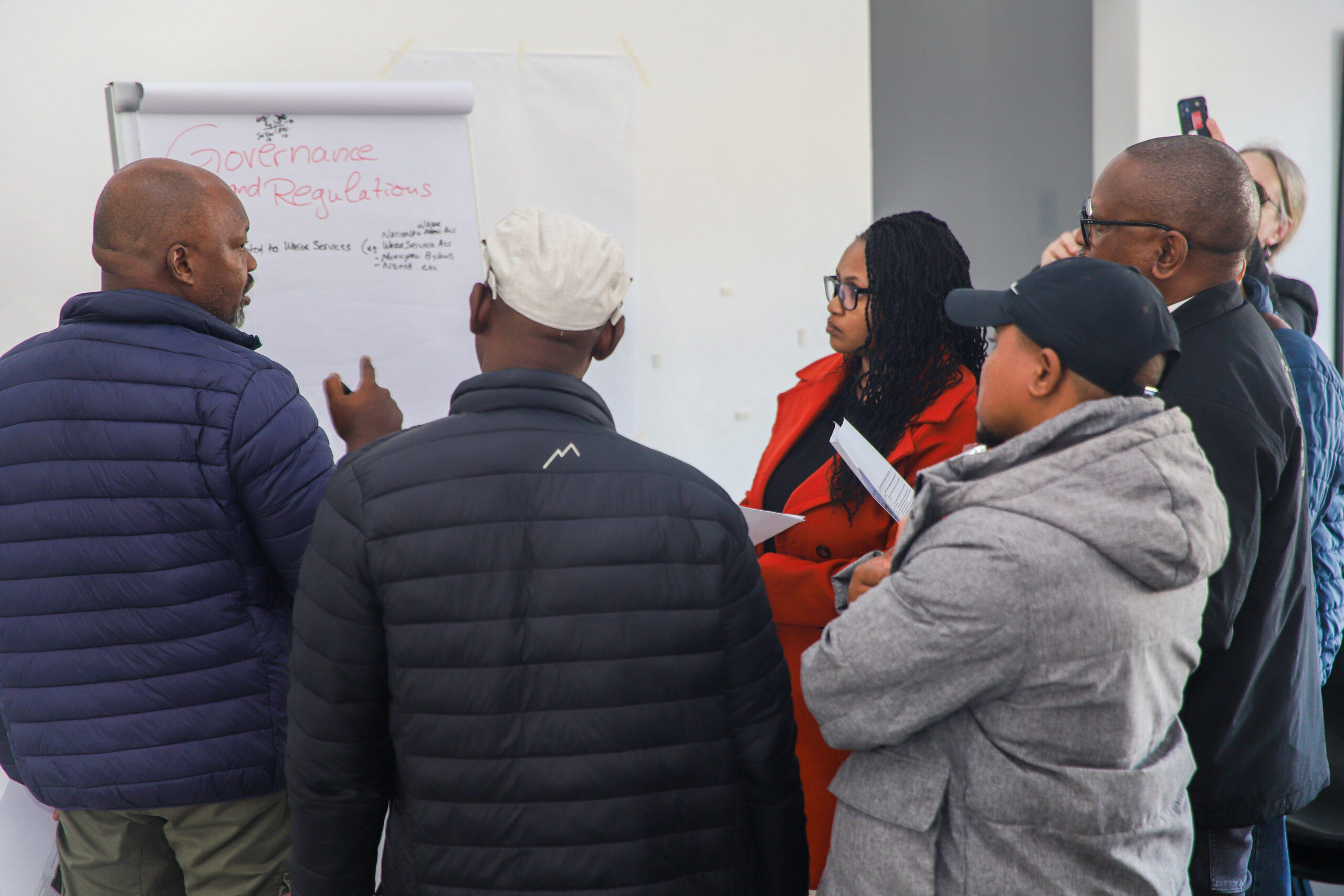
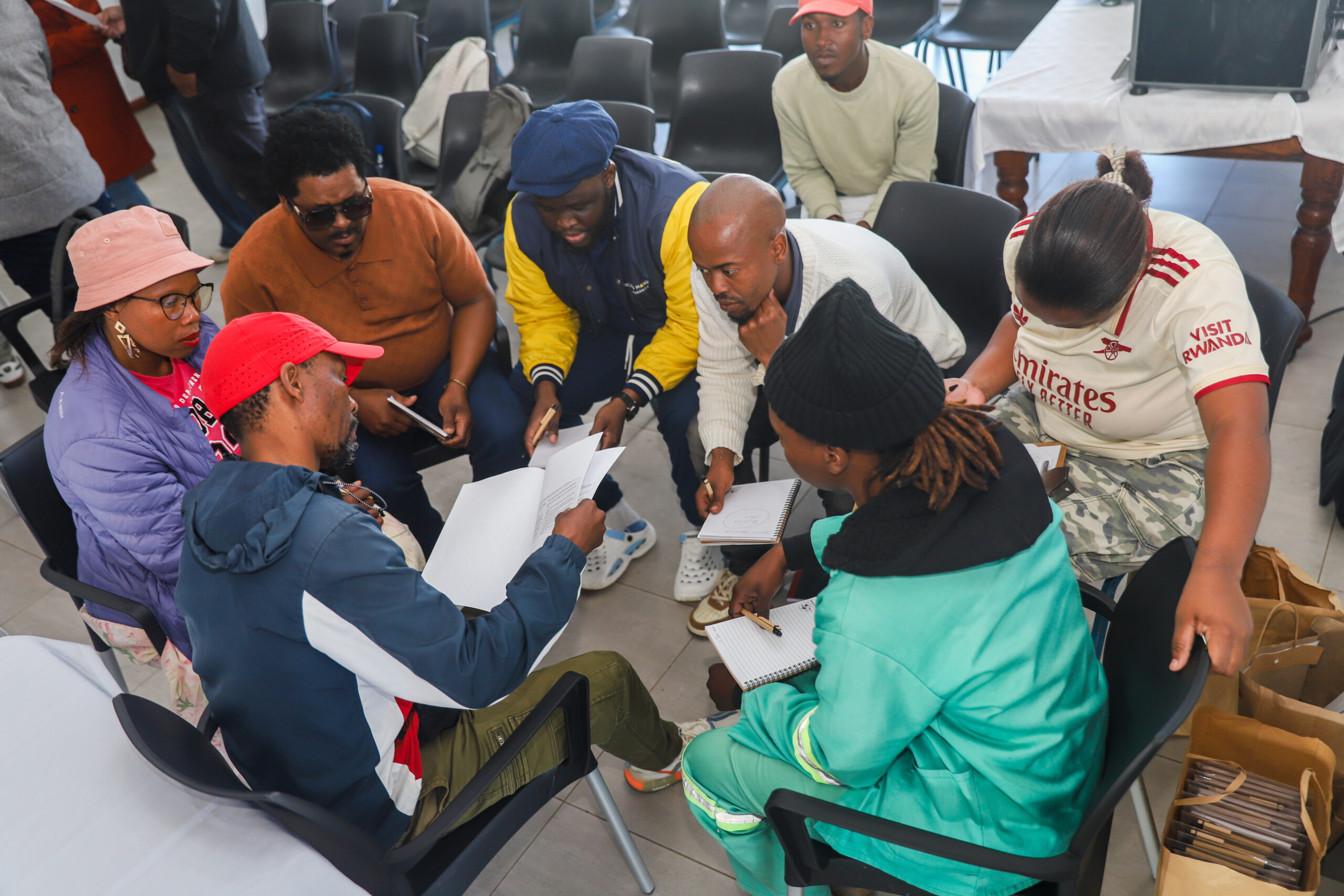
Throughout the entire workshop, the atmosphere was lively and constructive. A recurring message from community participants was the wish to be active partners in the process rather than only recipients of a new technology. Participants highlighted the importance of local training, the involvement of local workers and suppliers, clear communication, and continued engagement throughout implementation and further operations. At the same time, discussions openly addressed practical challenges such as operation, maintenance, responsibilities and long-term sustainability. These priorities reflect DECIRE-WATER’s broader objective of involving stakeholders directly in planning, co-design and implementation.
From dialogue to action: the road ahead
Furthermore, the workshop provided valuable input for adapting the TEvap demonstration to local needs and helped to identify priorities for the next implementation steps. Technology training led by NMU and RPTU will follow, while the workshop outcomes will feed directly into the detailed design, construction and future monitoring of the demonstration site.
Next steps in the stakeholder participation process will be a collection of direct feedback after construction and during operation followed by a second stakeholder workshop toward the later end of the DECIRE-WATER project to discern and discuss challenges, requirements and possibly responsibilities for sustainable long-term operations and possible scale-up and blueprinting.
Author: V. Ly Lito Pinto