Author: Project Team

  • Demo spotlight – Greece 2

    Demo spotlight – Greece 2

    Building the Future of Decentralized Wastewater Reuse:
    Mixed Agro-Industrial and Domestic Wastewater Treatment

    A significant step forward for the DECIRE-WATER project has been marked by the successful implementation of Demo Site 4 in Antissa on the island of Lesvos. Designed and developed by the Laboratory of Water and Air Quality team at the University of the Aegean, the demonstration site showcases an innovative decentralized wastewater treatment system designed to treat mixed domestic and agro-industrial wastewater using intensified constructed wetland technologies.

    By combining nature-based solutions with engineering innovations, the pilot system aims to produce Class B reclaimed water in accordance with the principles of the European Water Reuse Regulation (EU) 2020/741, while reducing the environmental footprint of wastewater treatment in rural Mediterranean communities.

    The Challenge: Complex Wastewater and Water Scarcity

    Many rural areas in the Mediterranean face unique wastewater management challenges. Domestic wastewater is often combined with highly concentrated agro-industrial effluents from olive mills and dairy industries, resulting in significant seasonal fluctuations in hydraulic and, particularly, organic loads. Conventional centralized treatment systems are frequently unable to cope effectively with such variations, while many regions simultaneously experience increasing water scarcity. Demo Site 4 was designed to address both challenges by demonstrating a resilient treatment system capable of producing reclaimed water suitable for non-potable applications.

    Integrating the Pilot System into the Antissa Treatment Plant

    The demonstration site was constructed within the existing wastewater treatment plant of Antissa, allowing the pilot installation to operate under real environmental conditions while benefiting from the site’s existing infrastructure. Domestic wastewater is supplied directly from the treatment plant, whereas agro-industrial wastewater is transported from nearby dairy facilities and olive mills, enabling the investigation of different wastewater mixtures representative of rural Mediterranean conditions.
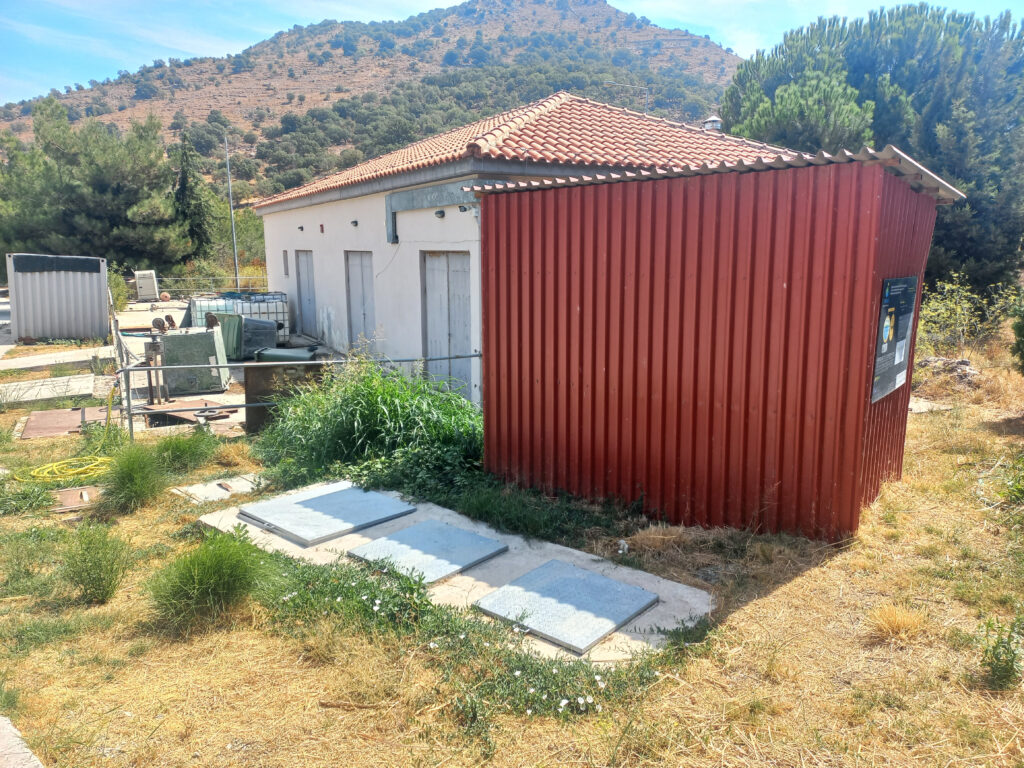
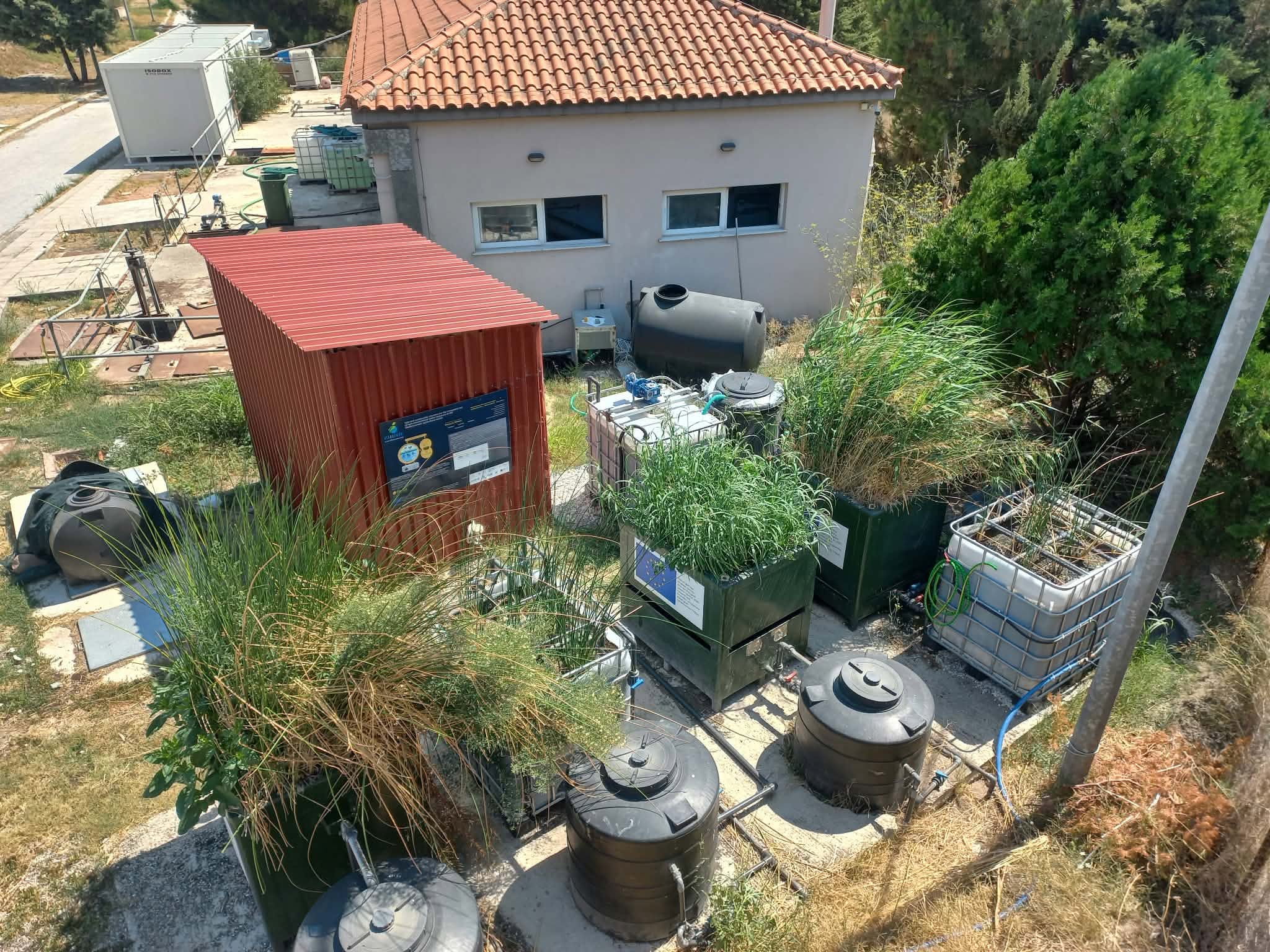
    Three-chamber septic tank and disinfection unit housed within the red structure

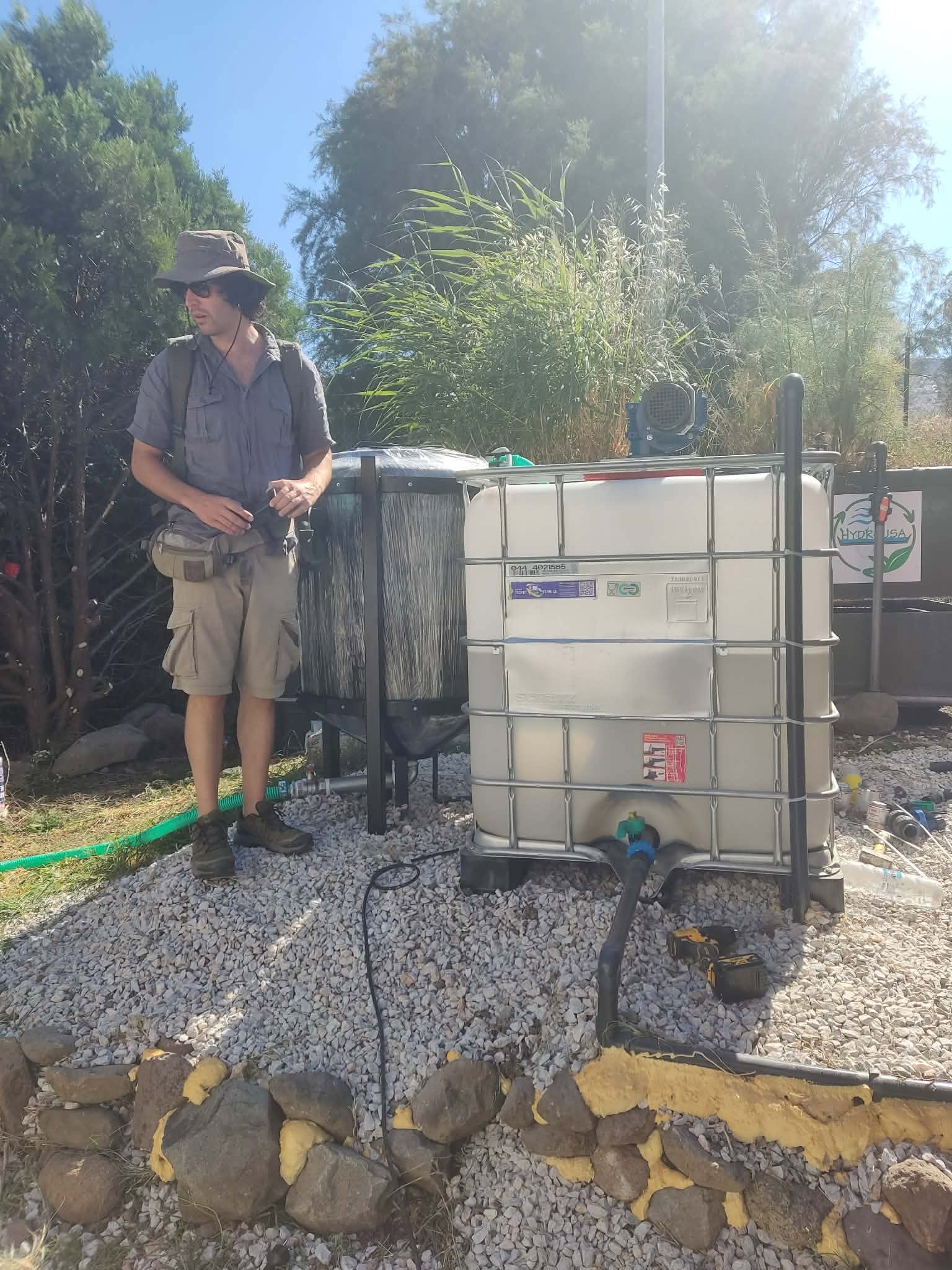
    Construction process –
    Tackling Complex Wastewater Streams

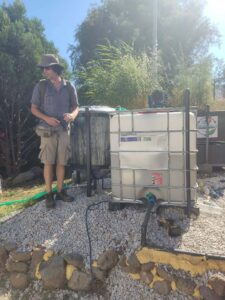
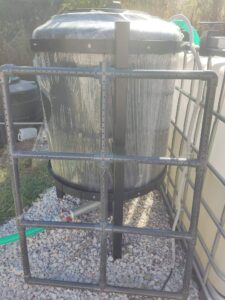
    A major focus during the implementation of Demo Site 4 was the construction of the complete treatment train. The system begins with separate pre-treatment units for the two wastewater streams. Domestic wastewater passes through a three-chamber septic tank, where suspended solids are removed before entering the biological treatment processes. Agro-industrial wastewater is first collected in a conical sedimentation tank, allowing coarse solids to settle and minimizing the risk of clogging in downstream units. Both streams are subsequently transferred to a dedicated mixing tank, where controlled mixing enables researchers to simulate different operational scenarios throughout the project.
    The Core Treatment System

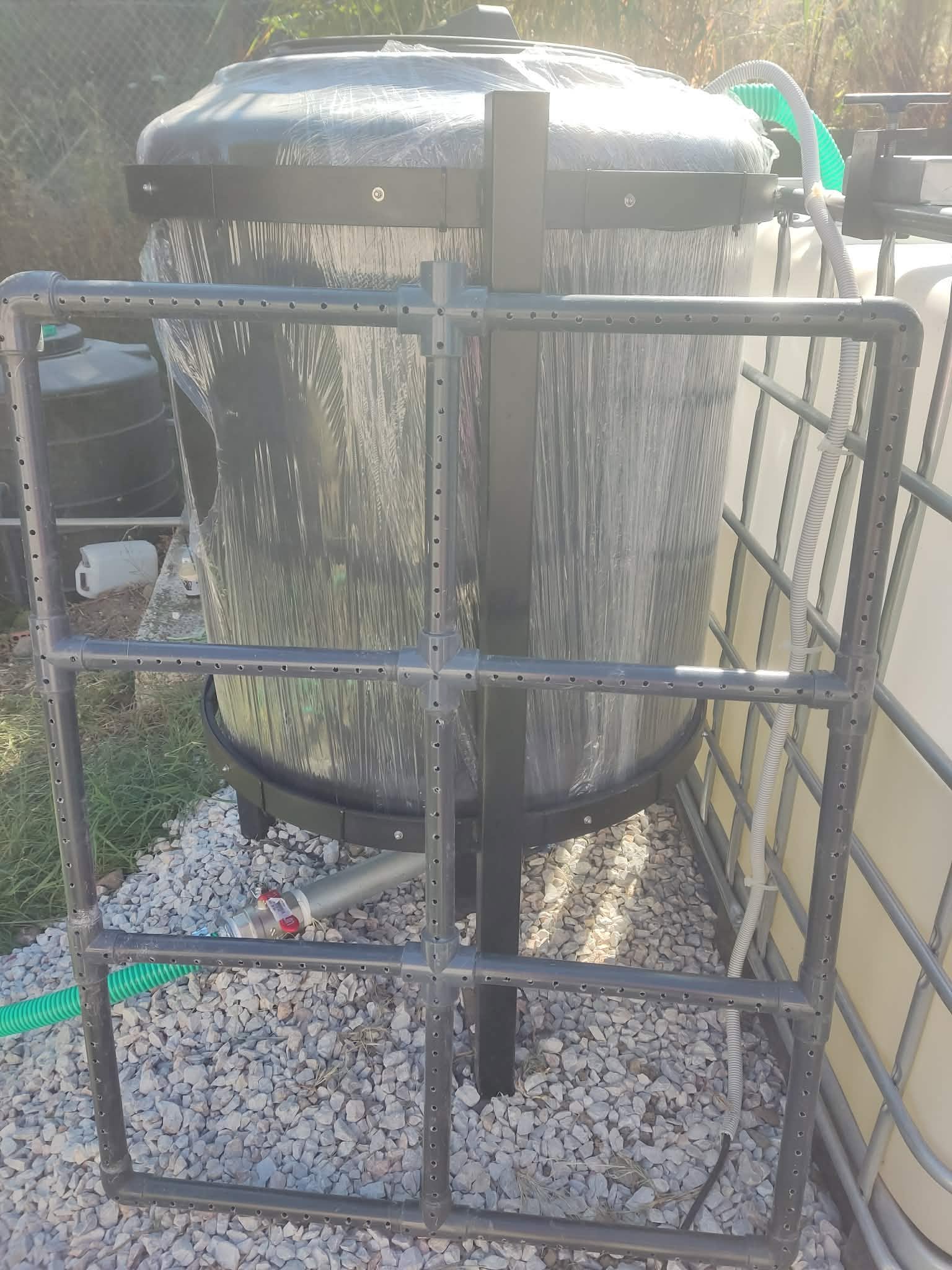
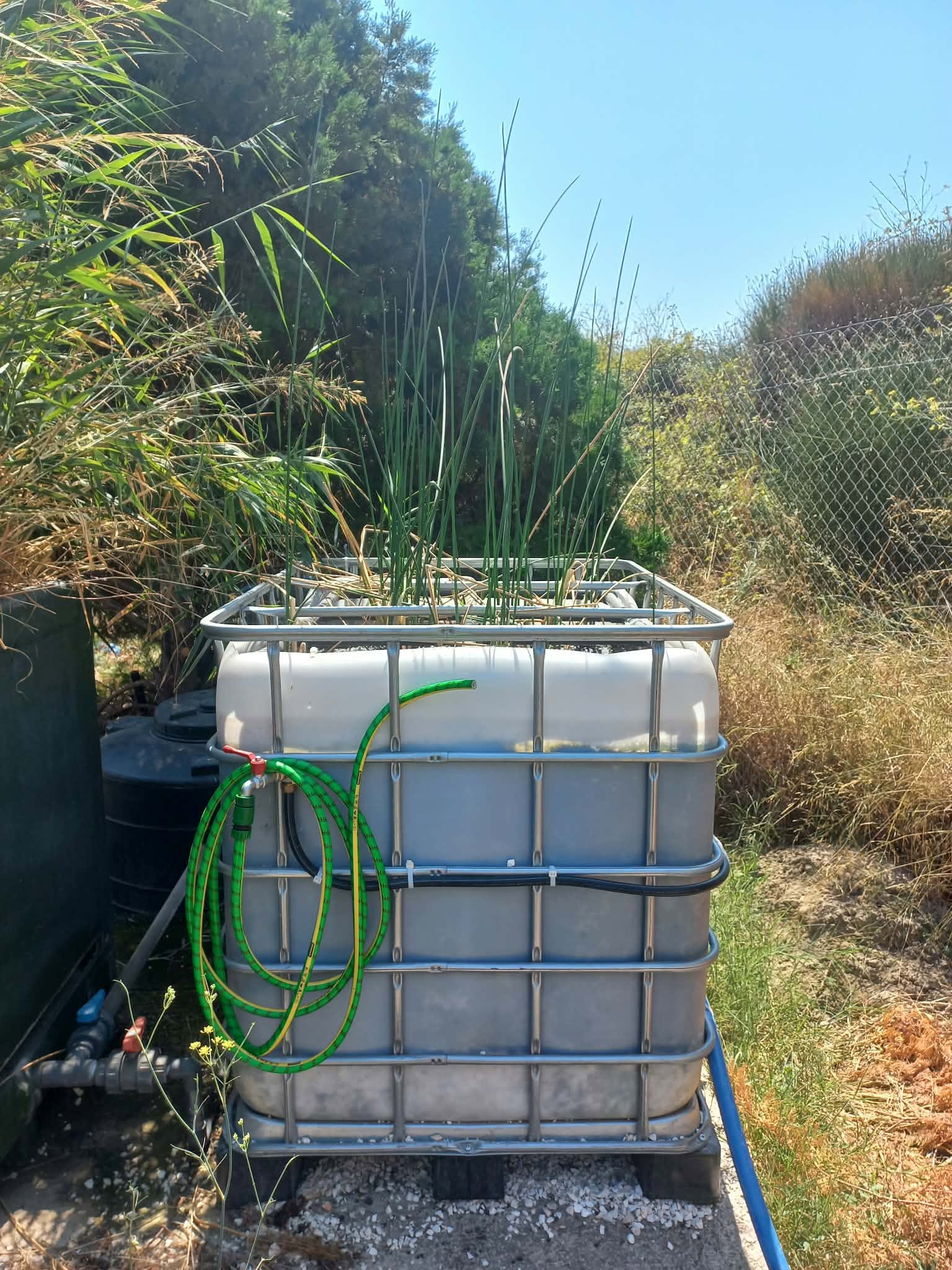
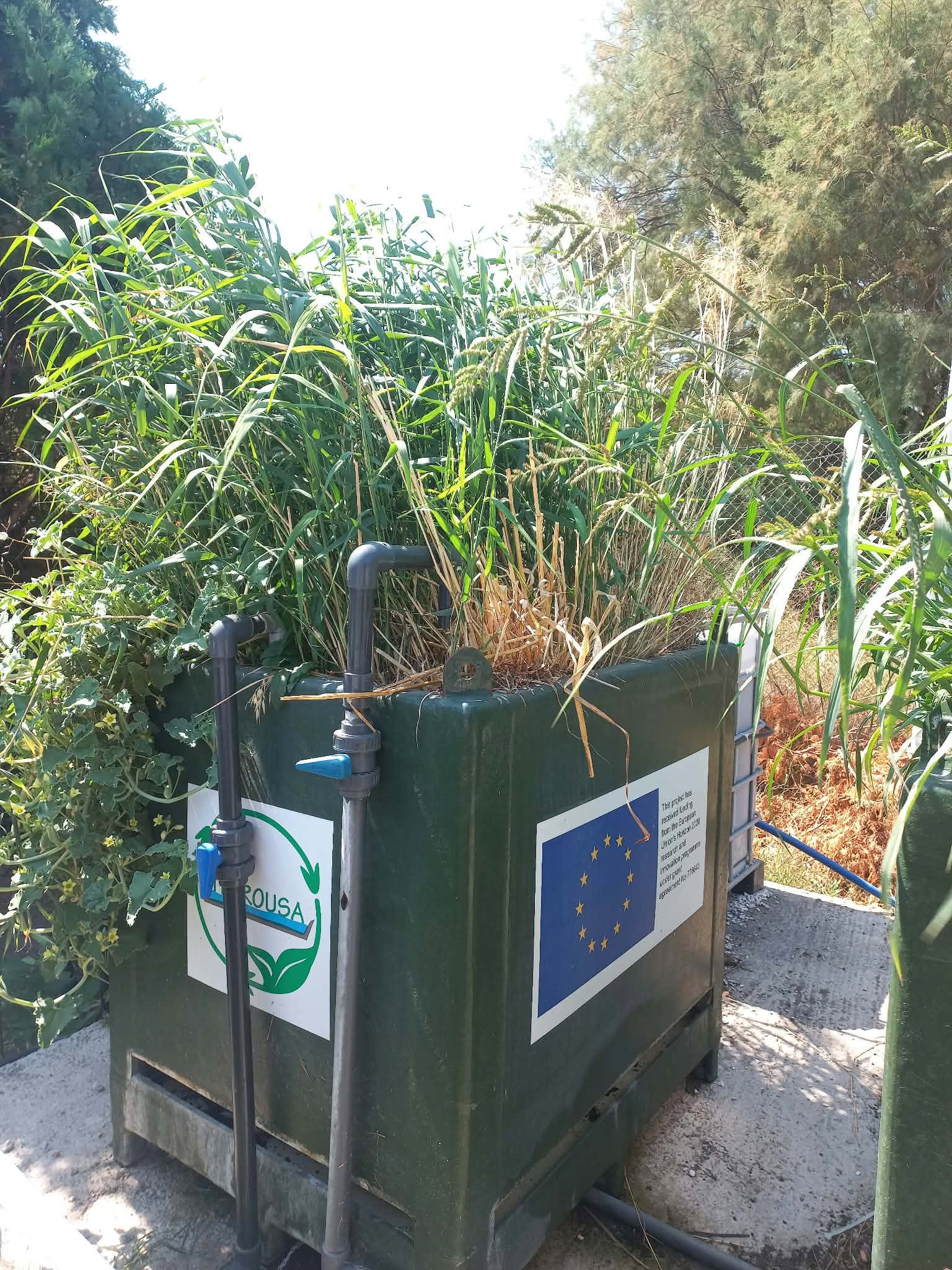
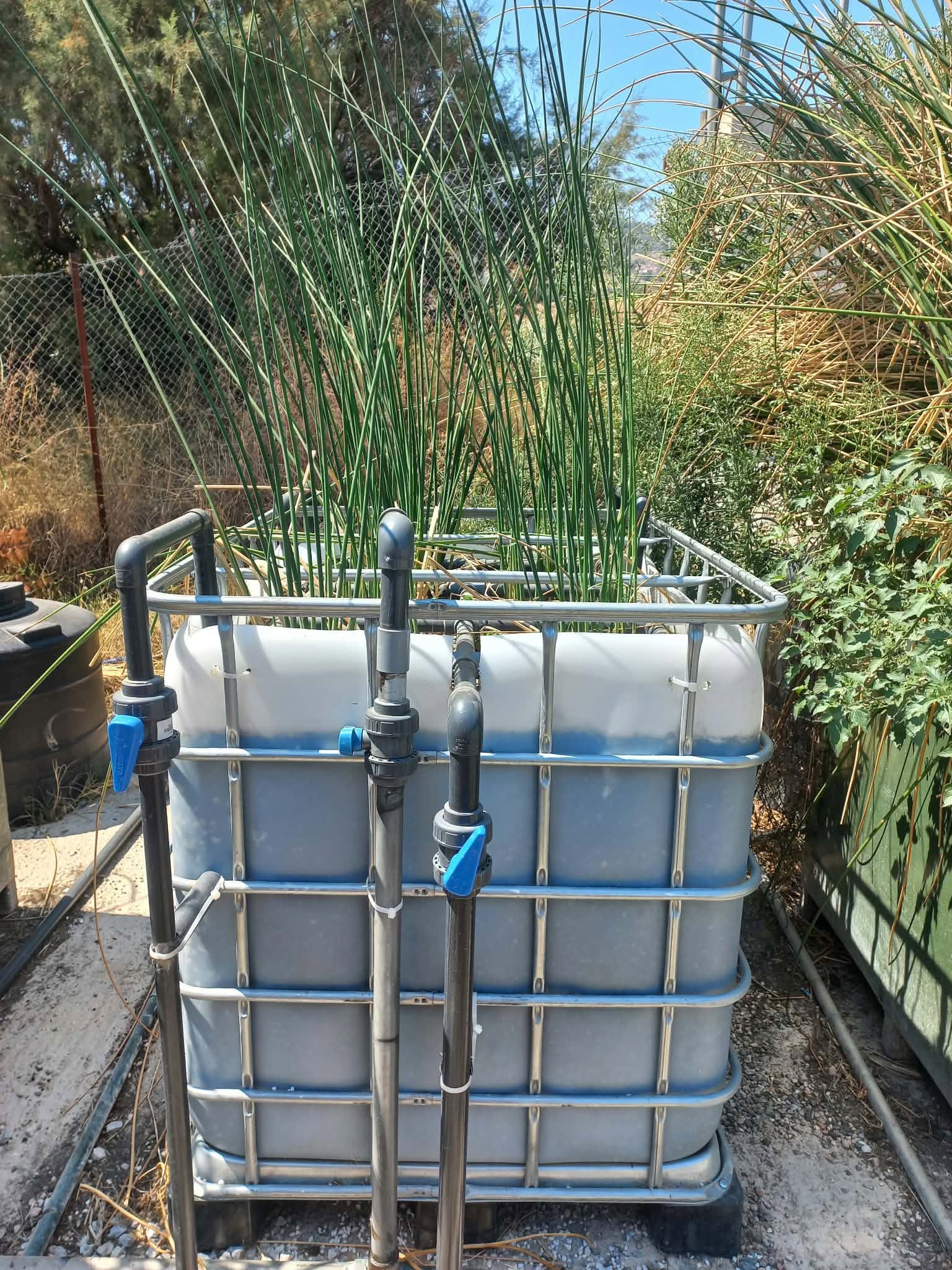
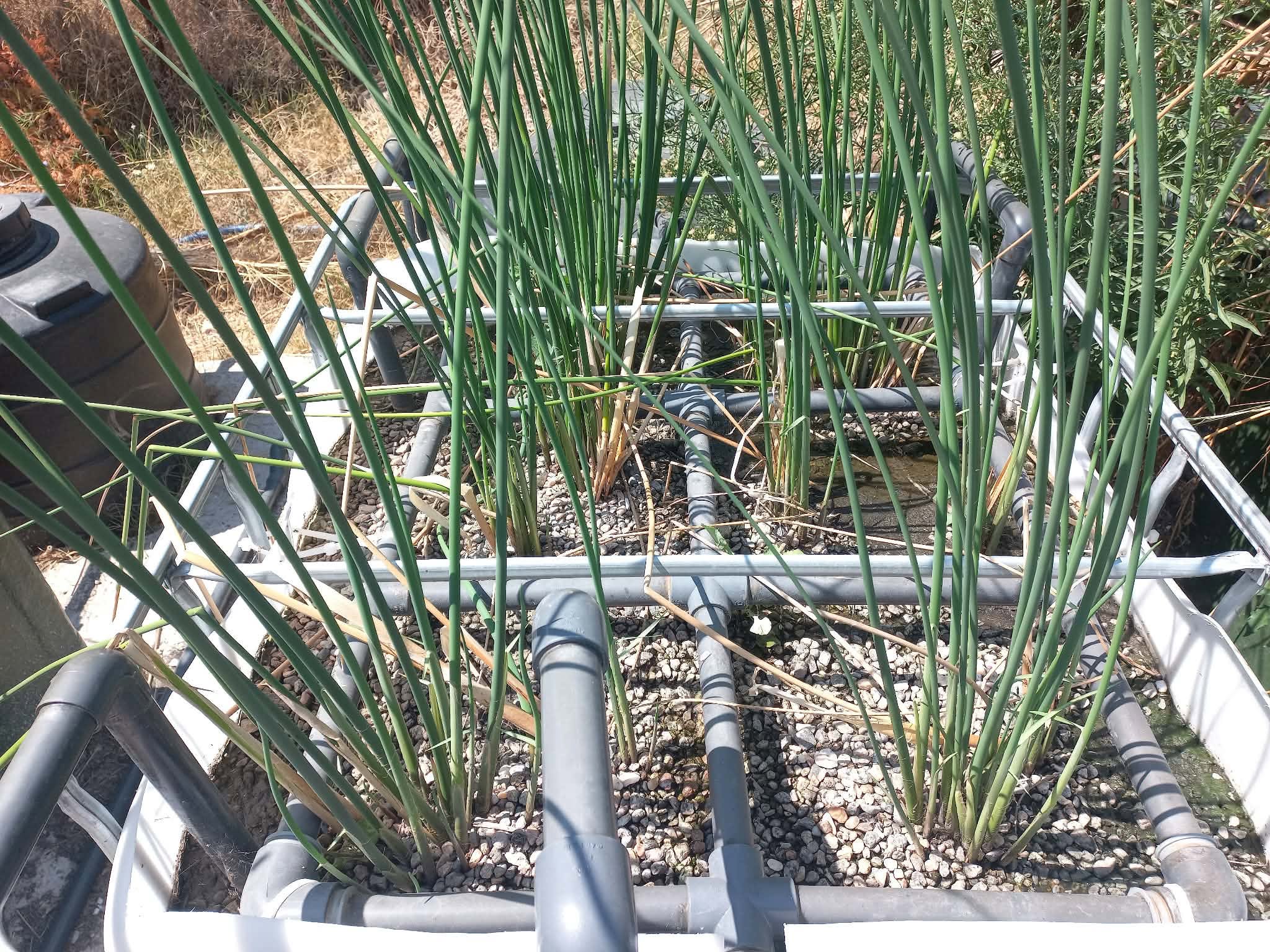
    The heart of the installation consisted of three parallel pilot-scale vertical subsurface-flow constructed wetlands, each with a surface area of 1 m² but incorporating different treatment concepts. The first serves as a conventional control wetland filled with sand and gravel. The second is an intensified aerated wetland equipped with a diaphragm blower that intermittently supplies oxygen to enhance biological degradation.

    The third incorporates an electroconductive coke substrate, an innovative filling material designed to stimulate electroconductive microbial communities while simultaneously enhancing adsorption processes and pollutant removal. All three wetlands were carefully constructed with hydraulic distribution networks, substrate filter layers, dedicated drainage systems, and individual outlet controls, allowing direct comparison under identical loading conditions.
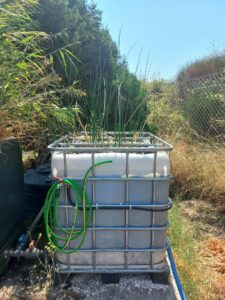
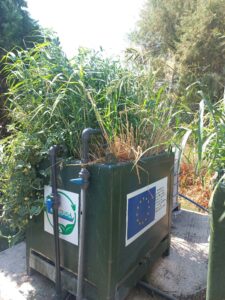
    To ensure reliable operation, the pilot installation includes four individual effluent collection tanks, three corresponding to each constructed wetland and one serving as a storage tank for agro-industrial wastewater. A fifth tank was constructed to serve as a mixing tank, where both types of wastewater are homogenized before being introduced into the constructed wetlands. An integrated pumping system equipped with flow meters, automated valves, and a programmable logic controller (PLC) enables automated processes and operational flexibility. Following treatment, the reclaimed water passes through a UV disinfection unit to ensure microbiological safety before being stored for potential non-potable reuse applications.

    Operational Status and Future Research Activities

    With construction now complete, Demo Site 4 is fully equipped to evaluate the performance of intensified constructed wetlands under increasing hydraulic and organic loading rates that significantly exceed those of conventional systems. The upcoming operational phase will investigate conventional pollutants removal, micropollutants attenuation, and pathogen reduction. The knowledge generated at the Antissa demonstration site will provide valuable scientific evidence supporting the wider implementation of decentralized circular water reuse systems for rural communities across Europe, helping transform wastewater from an environmental burden into a sustainable water resource.

    Author and images: I. Priovolos
  • Stakeholder Workshop – Poland

    Stakeholder Workshop – Poland

    When vision meets reality –
    Demo 3 stakeholder workshop in Poland

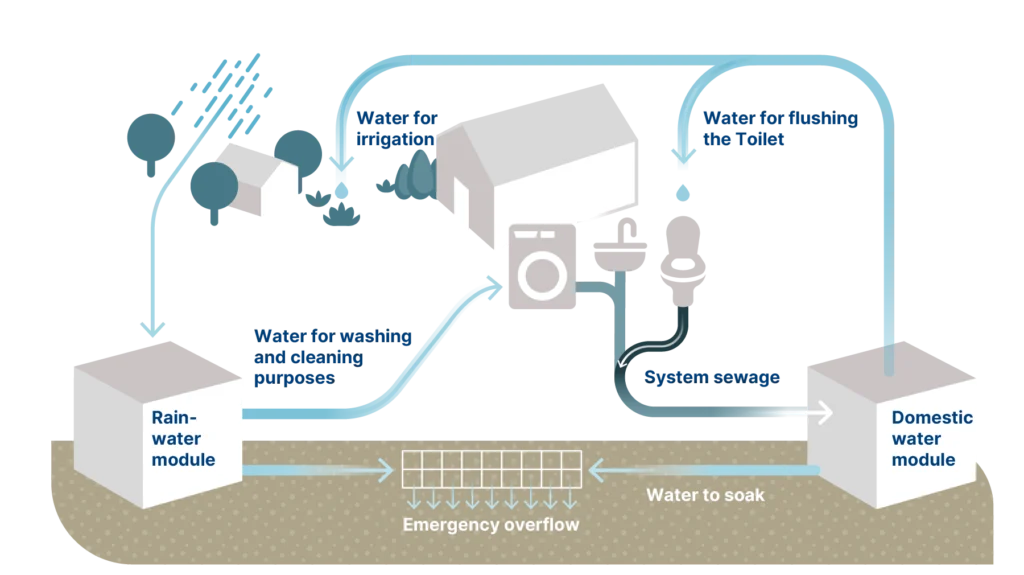
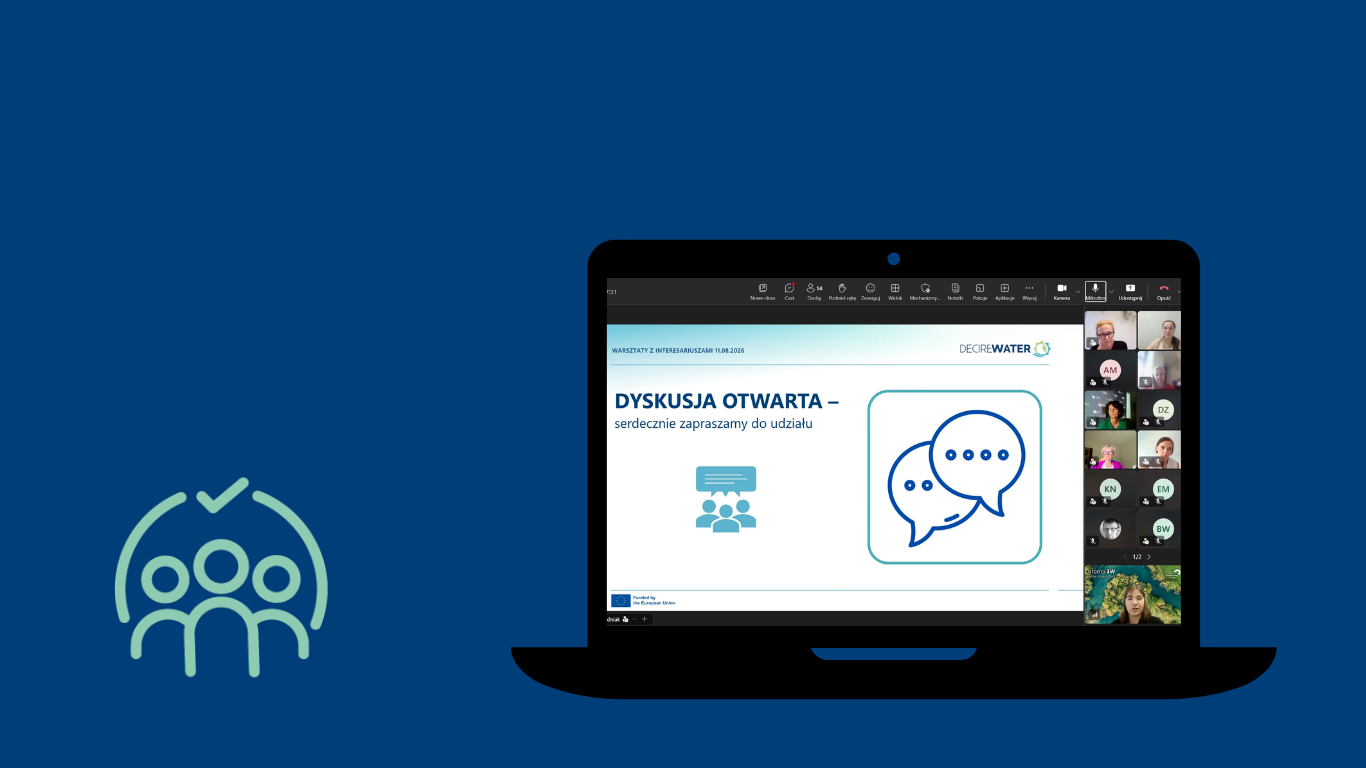
    On 11 August, the first stakeholder workshop was organised by our Polish project partners ECOL UNICON, the company responsible for the the demo site in Gdansk and RetencjaPL, which is responsible for developing the decision-support tool for water policy within the DECIRE-WATER project. The workshop provided a platform for discussing the future of rainwater and greywater recovery systems in Poland, with a particular focus on the technologies being tested at demo site 3. These include the treatment and reuse of greywater for toilet flushing, as well as the purification of rainwater for everyday non-potable applications such as washing, cleaning, and laundry.

    This first online workshop aimed to initiate actions towards reshaping the implementation of these water and wastewater recovery systems across all stages of the process, from obtaining the necessary permits, through ensuring user safety, to developing clear and coherent regulatory frameworks.


    Domestic wastewater and rainwater treatment and reuse in urban area buildings

    Bringing together key stakeholders

    Fourteen stakeholders attended this online workshop, representing a wide range of organisations, such as municipal water supply companies, city councils, sustainable building certification auditors and systems designers. Among the participants were also representatives of the Polish Water Chamber and the Polish Green Building Council (PLGBC).

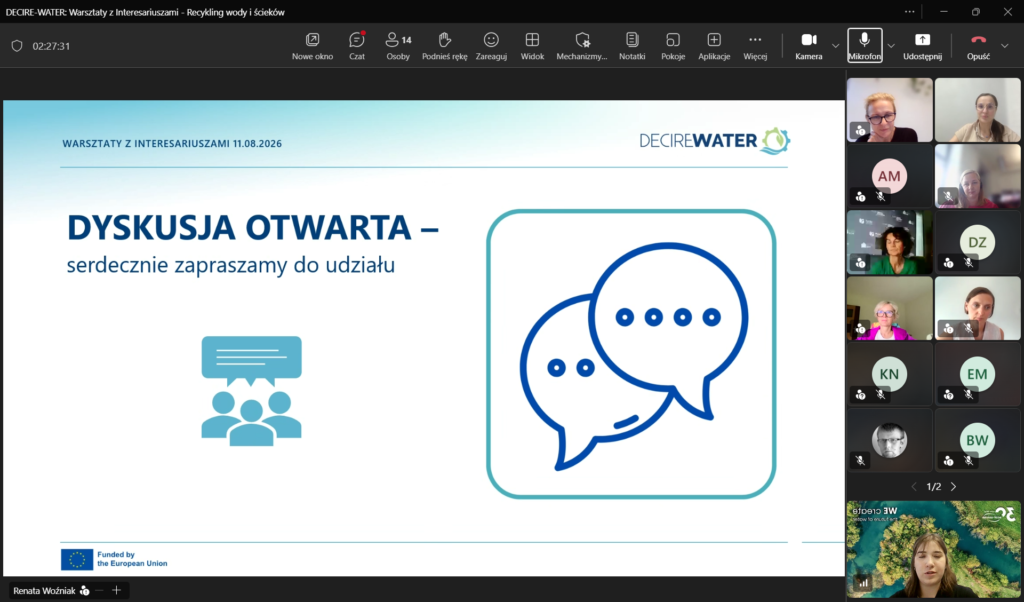
    The diversity of the participants enabled a rich, multi-perspective discussion, with each stakeholder contributing insights from their respective sector. This exchange helped identify challenges and opportunities that are often overlooked when viewed from a single organisational perspective. To facilitate the discussions, the workshop employed the World Café method, which was adapted for an online format. This approach enabled stakeholders from outside Gdańsk to participate while supporting wider engagement with the DECIRE-WATER project. Through the use of breakout sessions and interactive Mentimeter boards, participants were able to share their ideas openly and engage in focused discussions within smaller groups.


    The discussions were highly engaging, with participants actively contributing throughout the session, and focusing on the following key topics:

    • Legal and regulatory aspects
    • Economic challenges and opportunities
    • Integration of water recovery systems within urban infrastructure
    • Social acceptance and user safety
    • Cross-sector collaboration

    Regulatory Challenges Remain a Major Barrier

    A key conclusion was that the lack of clear and consistent regulations remains one of the main barriers to the wider adoption of water recovery systems in Poland. This challenge is particularly evident in public buildings, where ensuring user safety and maintaining a high level of system reliability are essential requirements.

    Financial considerations are Key

    Participants also highlighted the financial aspects of implementing water and wastewater reuse systems. While the initial investment can be significant, it was noted that growing demand for such solutions could lead to the introduction of dedicated funding schemes and financial incentives in the future, helping to improve their economic viability.

    From local action to national policy

    The role of local authorities in promoting more sustainable water use was another important topic of discussion. Participants pointed out that municipalities already have the capacity to introduce measures aimed at conserving drinking water. For example, restrictions can be imposed on the use of tap water for garden irrigation during periods of drought. However, stakeholders agreed that broader uptake of water recovery technologies will require action at the national level. Clear regulatory frameworks and technical guidelines are needed to provide certainty for designers, investors, and end users, and to encourage greater interest and confidence in these solutions.

    Building public acceptance of water reuse

    Participants also highlighted the importance of public awareness campaigns and educational initiatives in fostering understanding and acceptance of innovative water recovery technologies. Raising public awareness is particularly important in the context of wastewater reuse, where concerns about safety and the use of treated water remain widespread. Participants emphasised that clear communication about treatment processes, water quality standards, and the benefits of water reuse is essential for building public trust and encouraging the adoption of these solutions.

    Key outcomes and next steps

    The workshop provided valuable insights into the practical needs and challenges faced by professionals working in the water sector. It enabled the identification of areas requiring clarification regarding regulations, and confirmed that water recovery technologies have the potential for large-scale implementation. The meeting also strengthened cooperation among institutions involved in water management across Poland.

    The next steps include incorporating the findings into the work on the decision-support tool being developed by RetencjaPL and further consultations with the industry to optimise the demonstrated system in Poland, particularly in terms of costs related to energy consumption.


    Author: G. Pawelkiewicz

  • Demo spotlight – Greece

    Demo spotlight – Greece

    Advancing Sustainable Tourism through Circular Greywater Reuse

    The DECIRE-WATER team in Greece has successfully completed the construction of Demo Site 1 on Lesvos Island, marking an important milestone in advancing sustainable water management in tourism-dependent regions.

    Designed by the Laboratory of Water and Air Quality at the University of the Aegean, the demonstration site showcases an innovative decentralized greywater treatment and reuse system that combines nature-based solutions with a compact engineering design. Installed at the Delfinia Hotel in Molyvos, the system demonstrates how treated greywater from kitchen sinks and dishwasher facilities can serve as a valuable alternative water resource for non-potable applications, reducing freshwater consumption while supporting the transition to a circular water economy.

    The need for Sustainable Water Reuse Solutions

    Mediterranean islands experience increasing pressure on freshwater resources, particularly during the summer tourist season, when water demand rises dramatically. Hotels located outside centralized wastewater infrastructure often rely entirely on potable water for non-potable applications, such as irrigation and toilet flushing. At the same time, large volumes of greywater remain an underutilized resource. Demo Site 1 addresses this challenge by demonstrating a decentralized treatment and reuse system that recovers greywater and produces Class B reclaimed water in accordance with the principles of the European Water Reuse Regulation (EU) 2020/741.

    From Design to Deployment 
    – Greywater Collection and Pre-Treatment

    The pilot installation was integrated within the premises of the Delfinia Hotel, allowing the system to operate under realistic conditions while minimizing interference with the hotel’s daily activities. The construction of the system included the complete installation of the treatment train, beginning with the collection and pre-treatment of greywater. Wastewater from kitchen sinks and dishwasher facilities is first conveyed through a grease interceptor and stored in a collection tank.

    The greywater then passes through a coarse filtration unit before entering the constructed wetlands. During these preliminary treatment stages, fats, oils, and large suspended solids that could interfere with downstream treatment processes are removed. This initial treatment stage protects the biological treatment units from clogging and contributes to the long-term operational stability of the system.

    Constructed Wetlands: The Core Treatment Technology

    The core of the installation consists of four pallet tanks arranged in parallel, operating as a vertical unsaturated subsurface-flow constructed wetland with a total treatment surface area of approximately 5 m². The wetland was engineered to operate under intensified hydraulic loading conditions while maintaining high treatment performance. Carefully designed hydraulic distribution, substrate layers, and drainage components ensure the uniform distribution of wastewater throughout the bed, promoting efficient biological degradation, filtration, and natural purification processes.

    The system also supports ornamental climbing plants, creating an attractive green façade that integrates greywater treatment into the surrounding hotel environment while enhancing green space, promoting biodiversity, and improving thermal comfort.
    Downstream of the constructed wetland, a chlorination unit was installed to ensure the microbiological safety of the treated effluent prior to storage and reuse. In addition, storage tanks, pumping equipment, and hydraulic control systems were installed to enable the storage, recirculation, and controlled distribution of the reclaimed water.

    Operational Status and Future Research Activities

    With construction now complete, Demo Site 1 is fully prepared for the operational and monitoring phase of the DECIRE-WATER project. The system will be evaluated for its ability to remove conventional pollutants, organic micropollutants (benzotriazoles and benzothiazoles), and pathogens, while assessing the long-term performance of this compact nature-based treatment technology in tourism facilities.

    Beyond its scientific objectives, the demonstration highlights how decentralized water reuse systems can help hotels reduce freshwater demand, strengthen climate resilience, and contribute to more sustainable tourism across Mediterranean islands. The experience gained at the Lesvos demonstration site is expected to support the wider adoption of circular water reuse solutions in water-stressed tourist destinations throughout Europe.

    Author: I. Priovolos
    Images: I. Priovolos, E. Stefanatou

  • Stakeholder Workshop – South Africa

    Stakeholder Workshop – South Africa

    Local voices shape DECIRE-WATER’s South African demonstration site
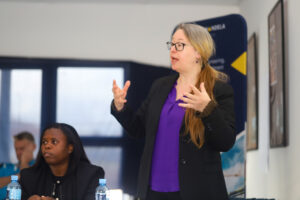
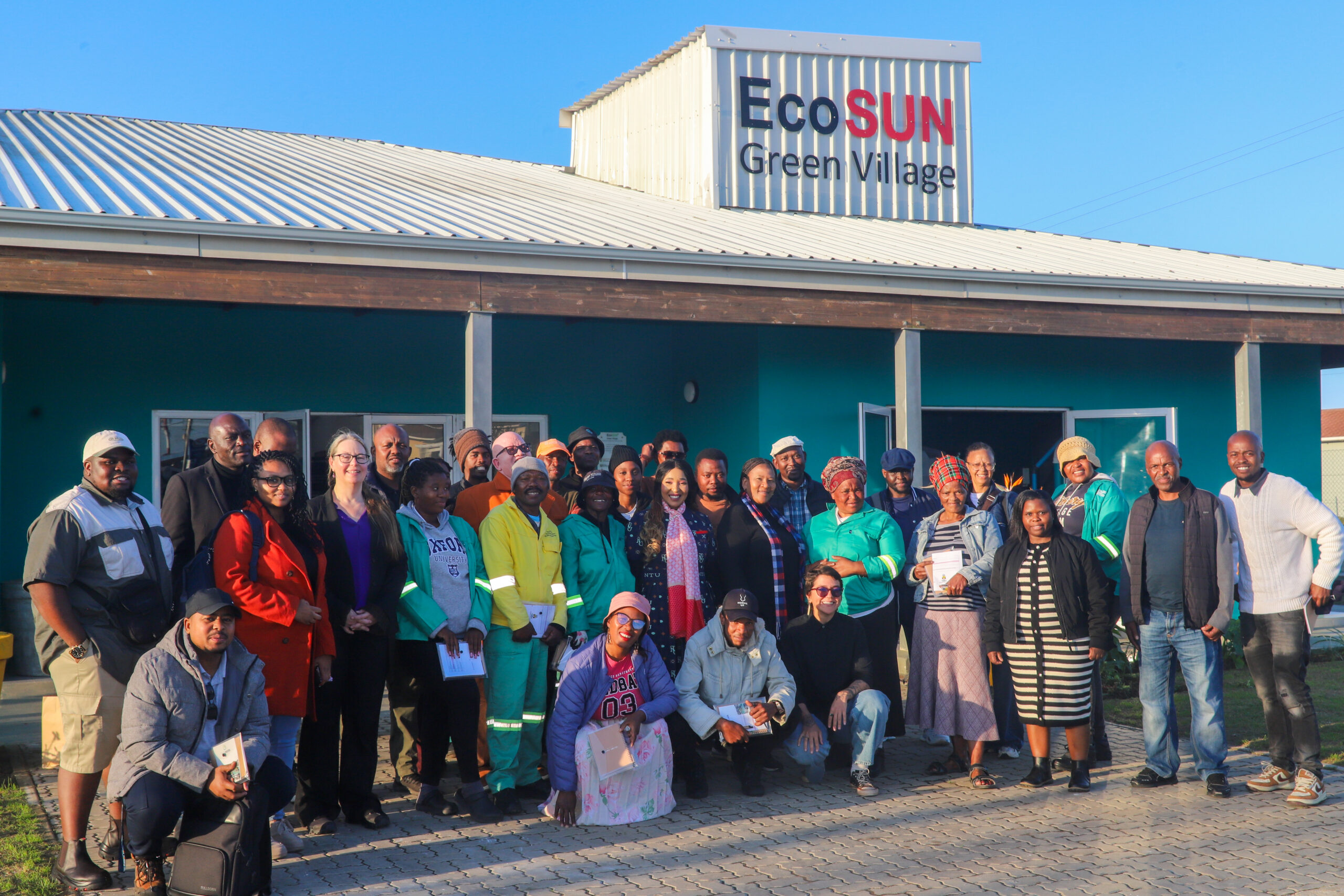
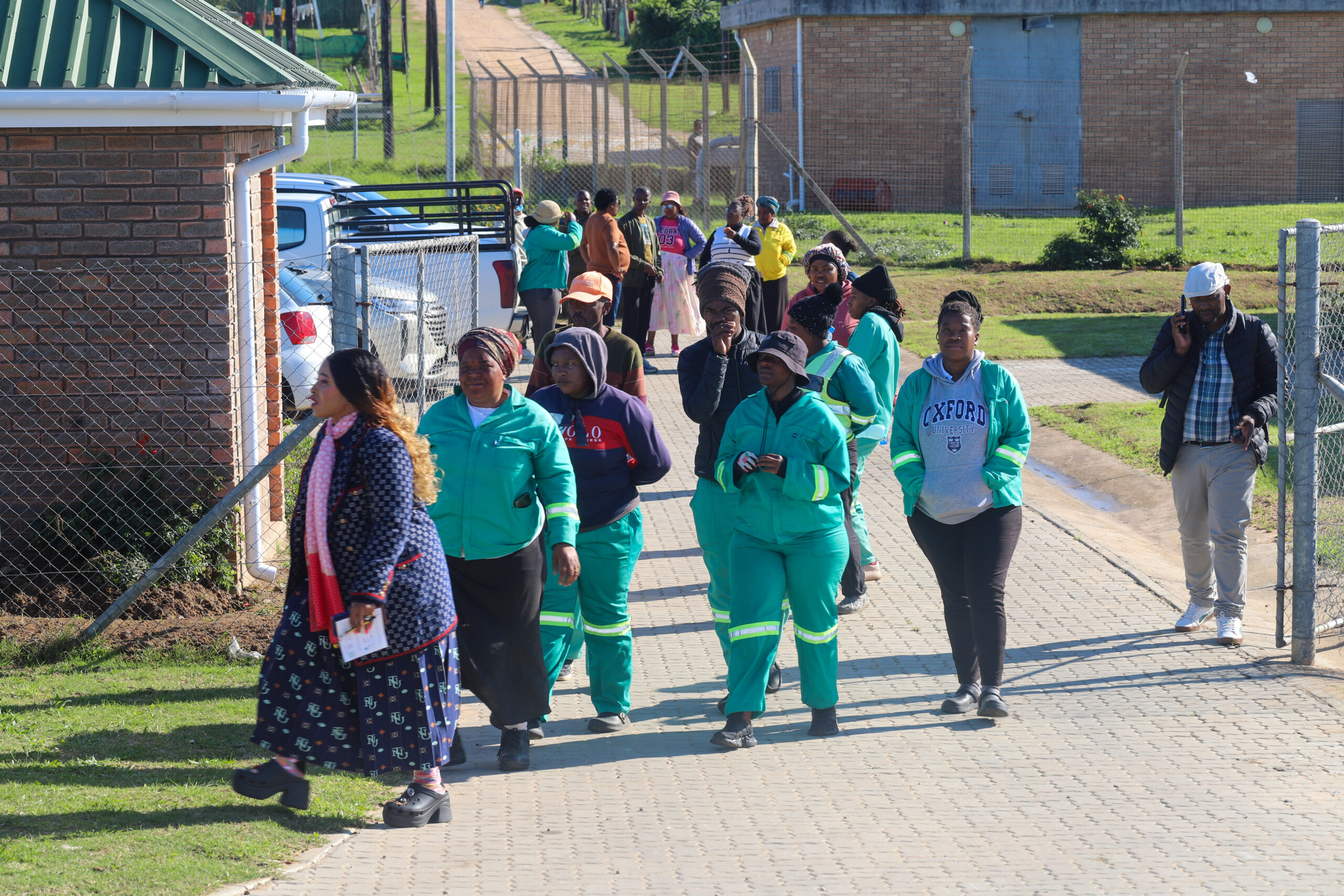
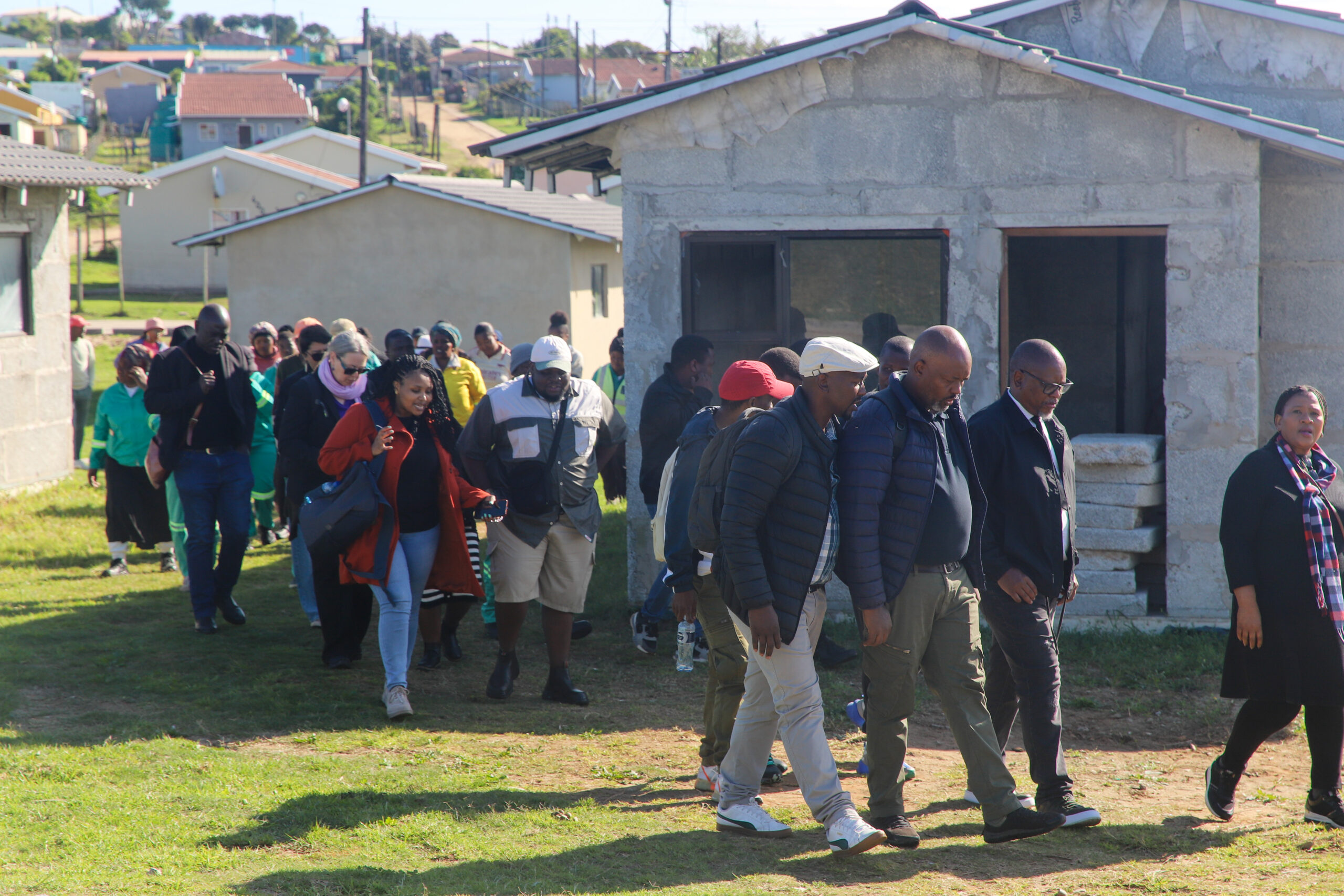
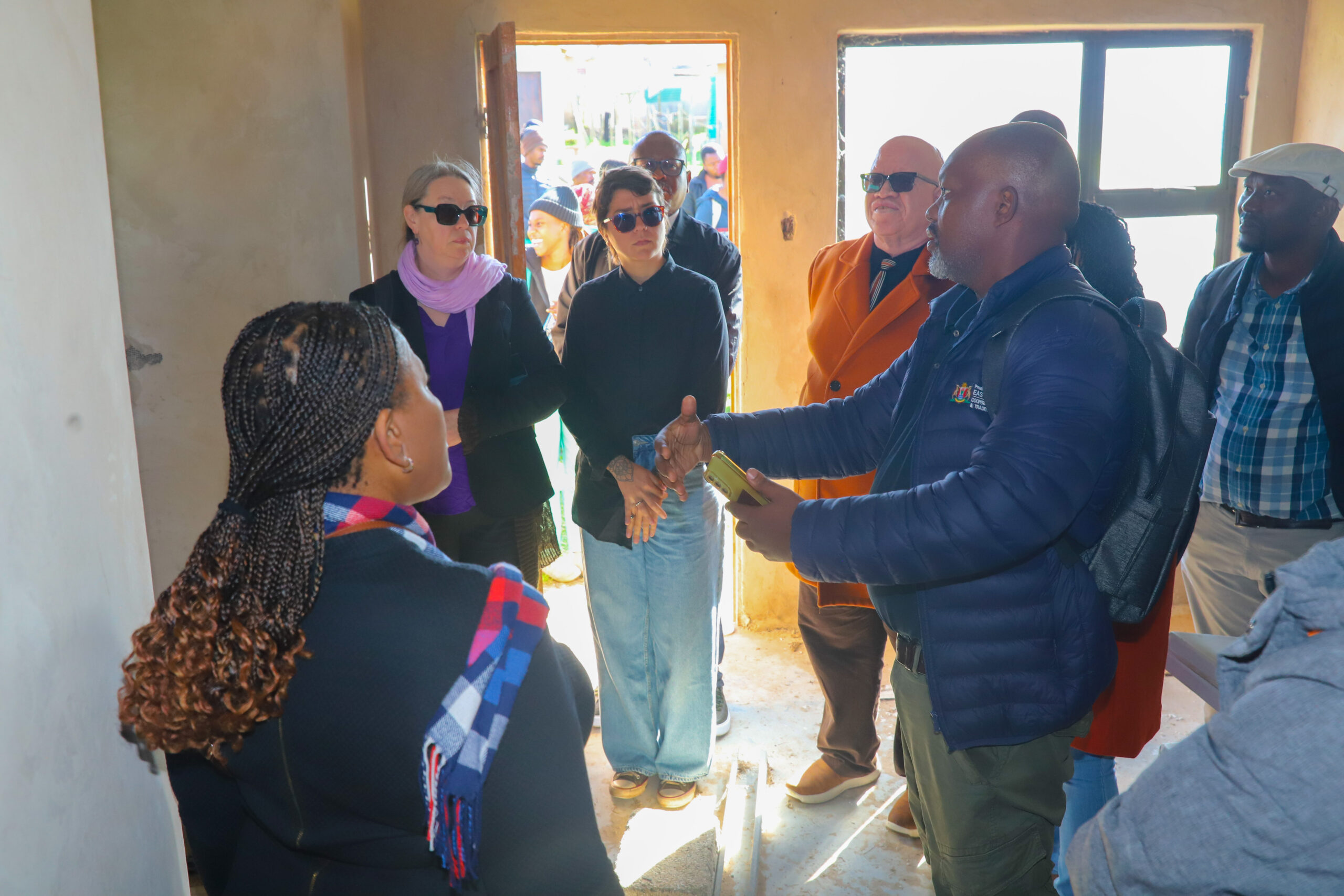
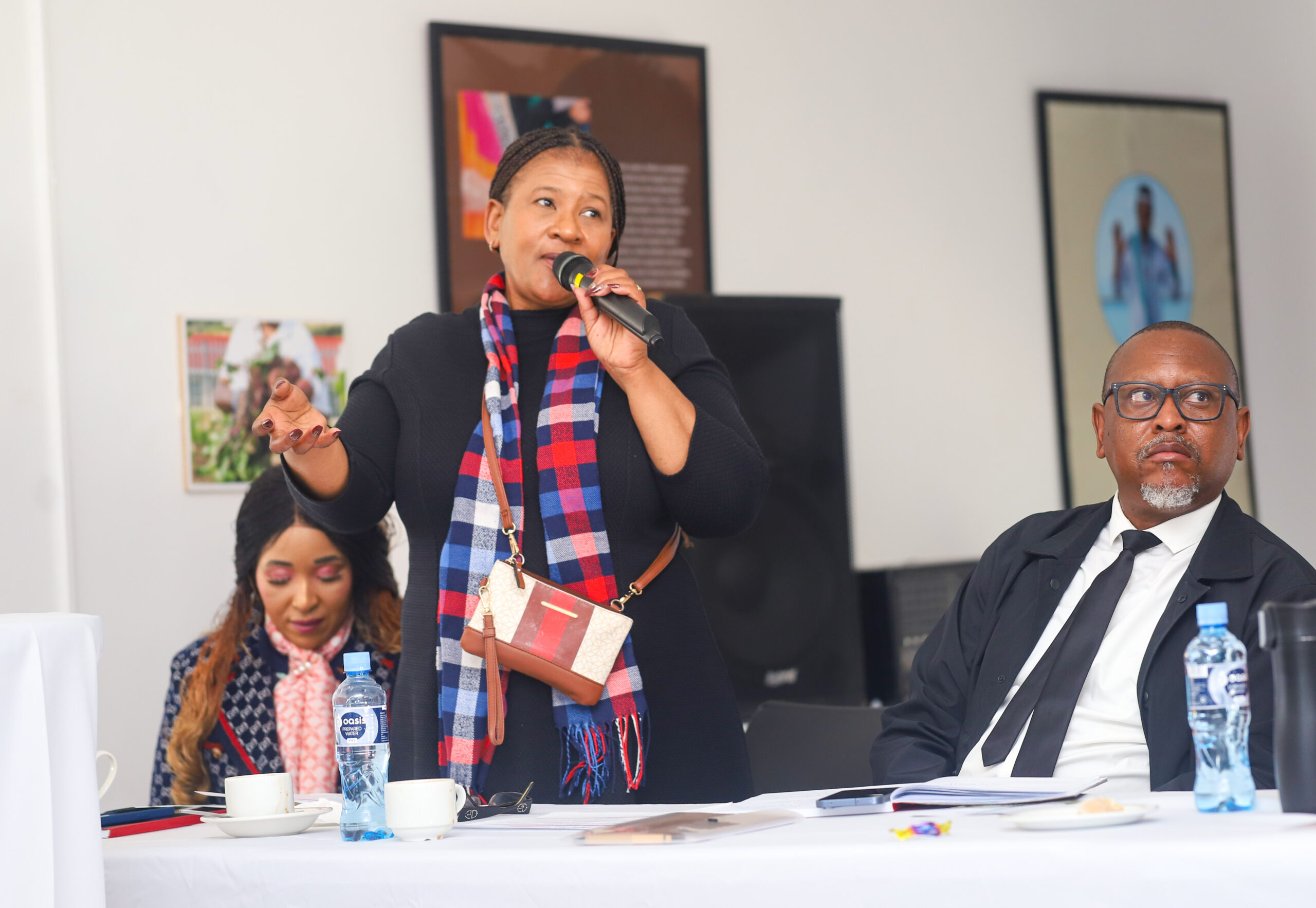
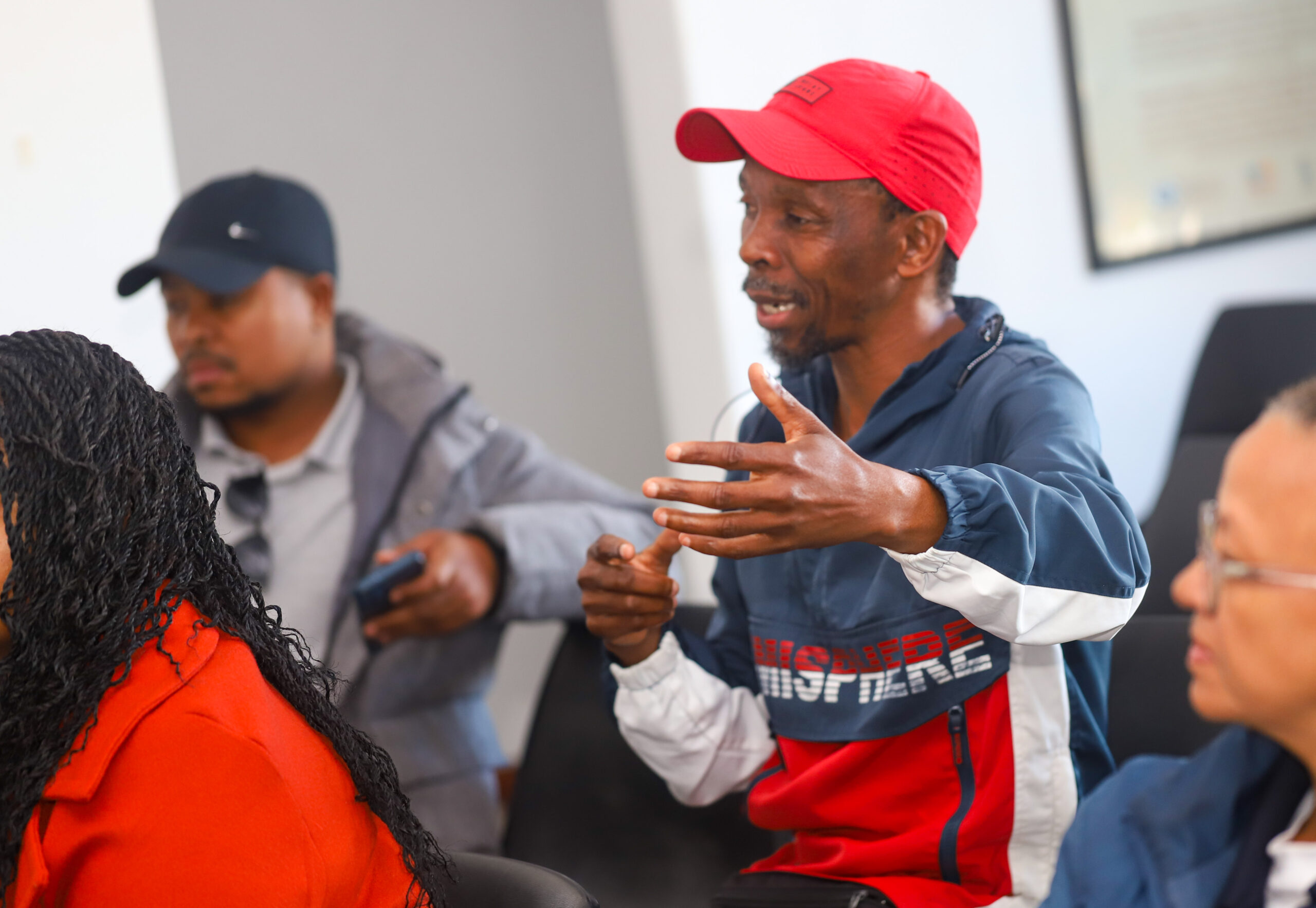
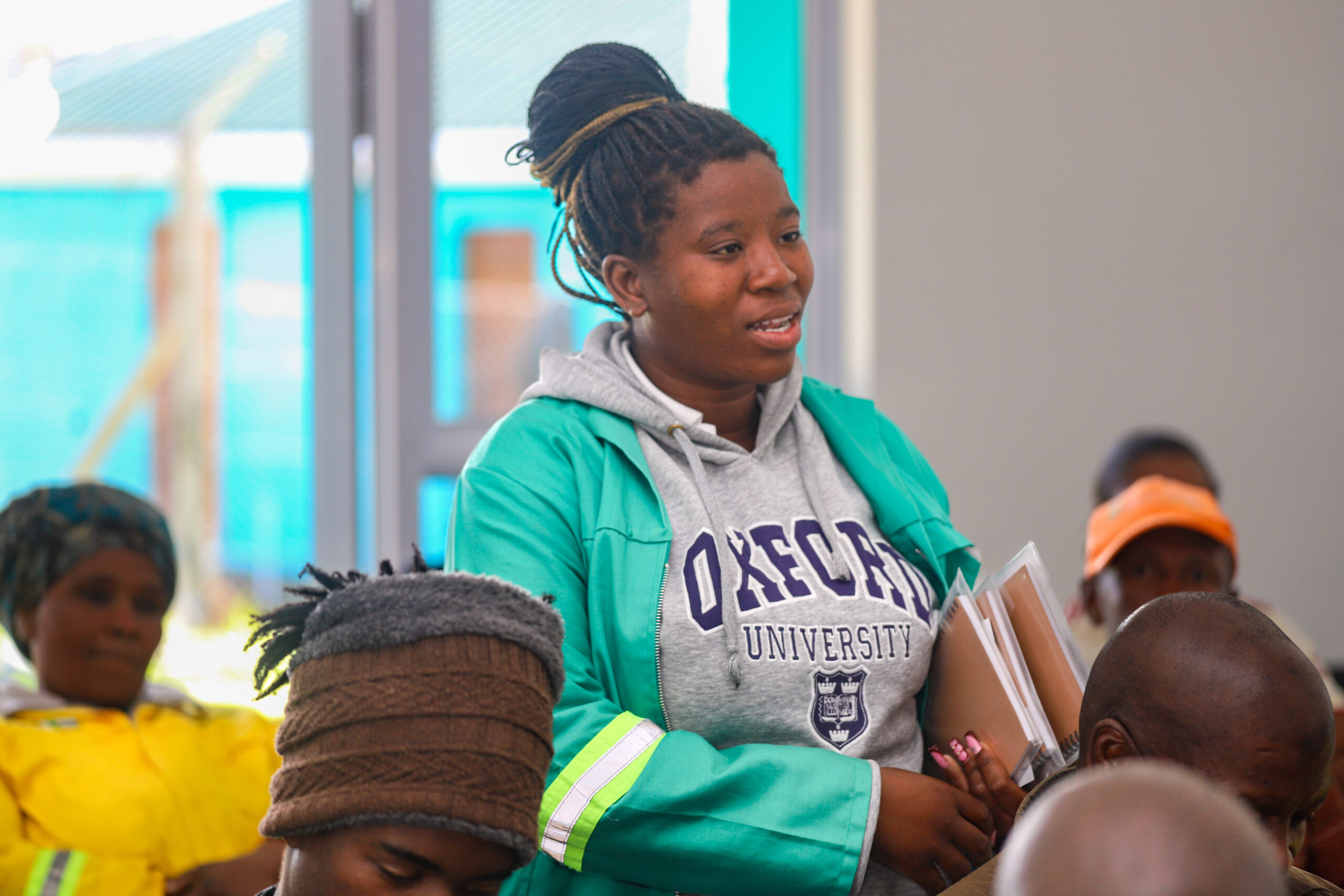
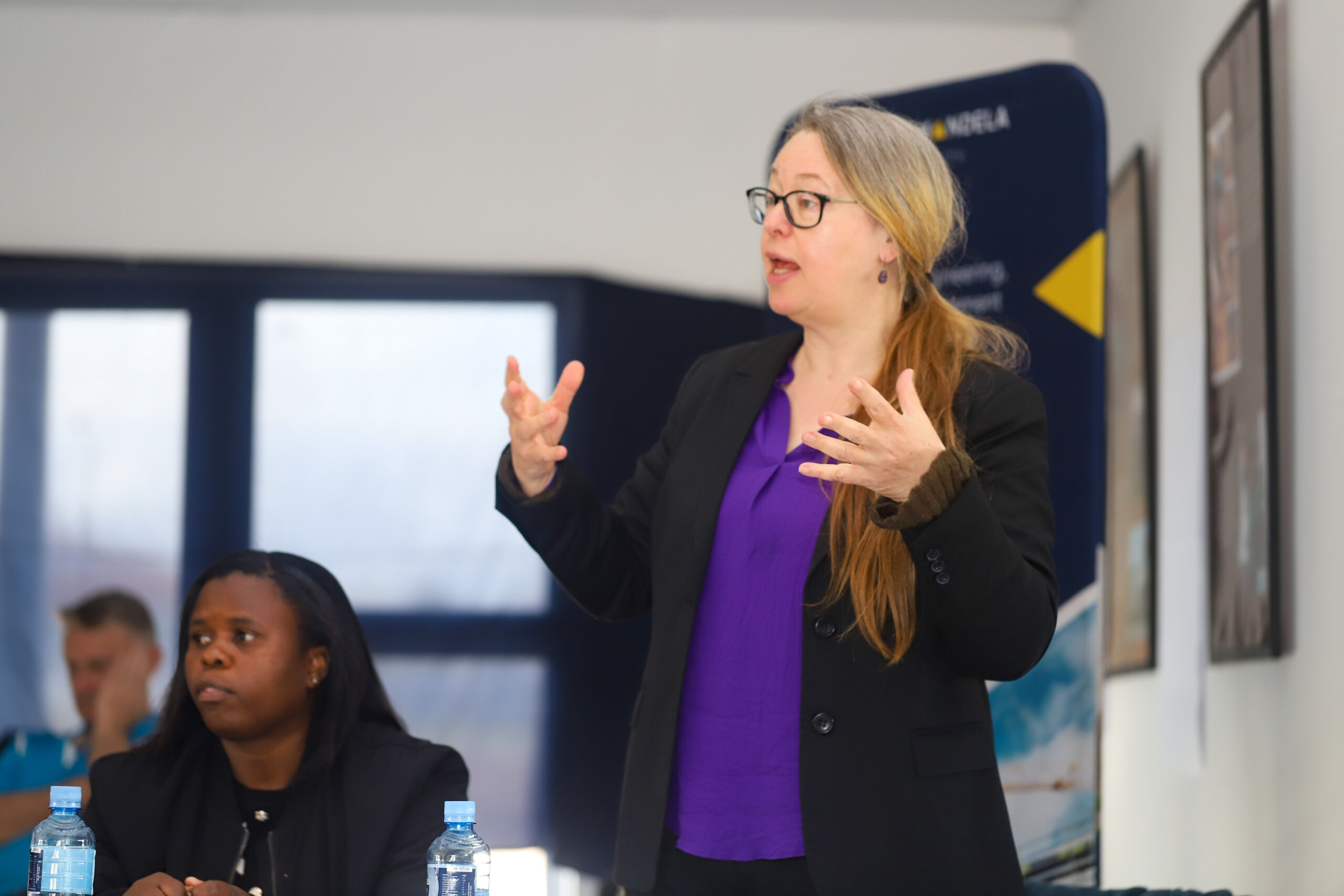
    On 17 June 2026, the first DECIRE-WATER stakeholder workshop was held in the EcoSUN Village in Ndlambe Municipality, Kenton-on-Sea, South Africa. It brought together the local community, researchers, public authorities and water-sector representatives to help shape the project’s South African demonstration site.

    Co-design and co-creation are central to developing the waste water treatment solutions offered through the demo sites of the DECIRE-WATER project. Rather than introducing a predefined technical solution, the project aims to involve the people and institutions affected by it – from the planning stage onwards. This approach helps to ensure that decentralised water solutions respond not only to technical requirements, but also to local social, economic and cultural conditions and needs, while strengthening trust and local ownership. Stakeholder participation is a core part of the project´s methodology and its pathway towards wider acceptance and uptake of decentralised water solutions.

    Bringing stakeholders together through co-design

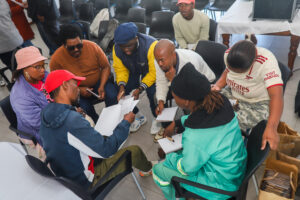
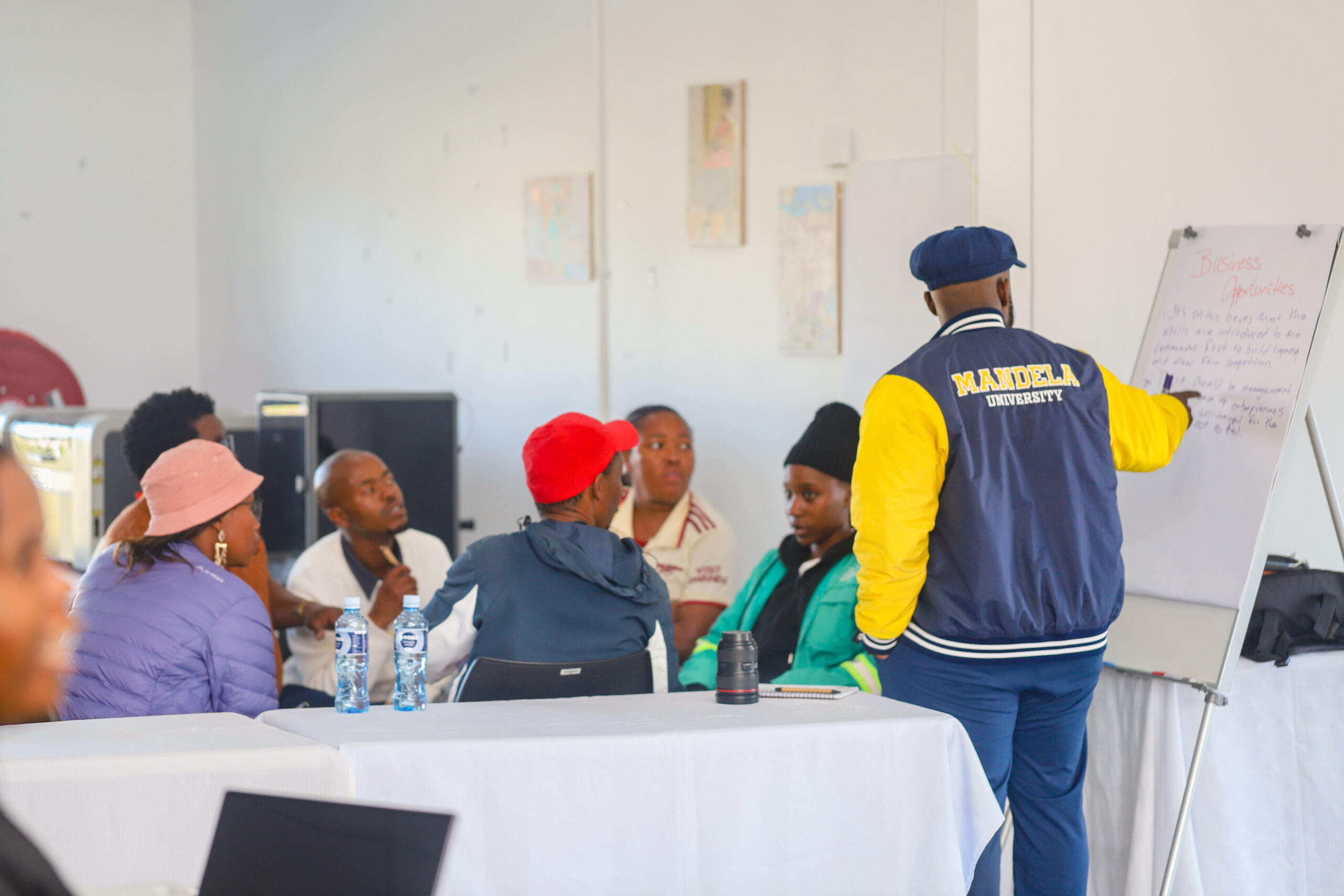
    The workshop gathered a total of 46 participants and was jointly organised by the project partners Nelson Mandela University (NMU), RPTU Kaiserslautern-Landau and VDI/VDE Innovation + Technik GmbH. The participants represented four main stakeholder groups, such as local and national government, water-sector institutions, researchers from Nelson Mandela University and RPTU and the local community.
    Among them were representatives of the Eastern Cape Department of cooperative governance and traditional affairs (ECOGTA), members of the Departement of science, technology and Innovation (DSTI), the director of the department of water and sanitation (DWS) and several members of the Local Ndlambe Municipality. Various institutions were well represented, but the local perspectives were at the centre of the discussions as participation of the community was particularly strong.

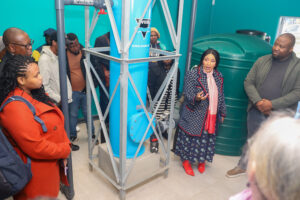
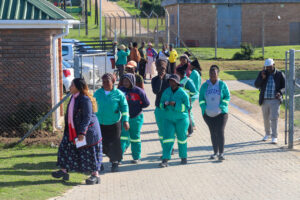
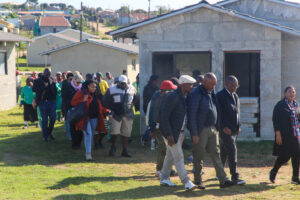
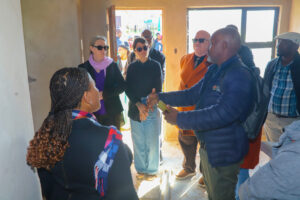
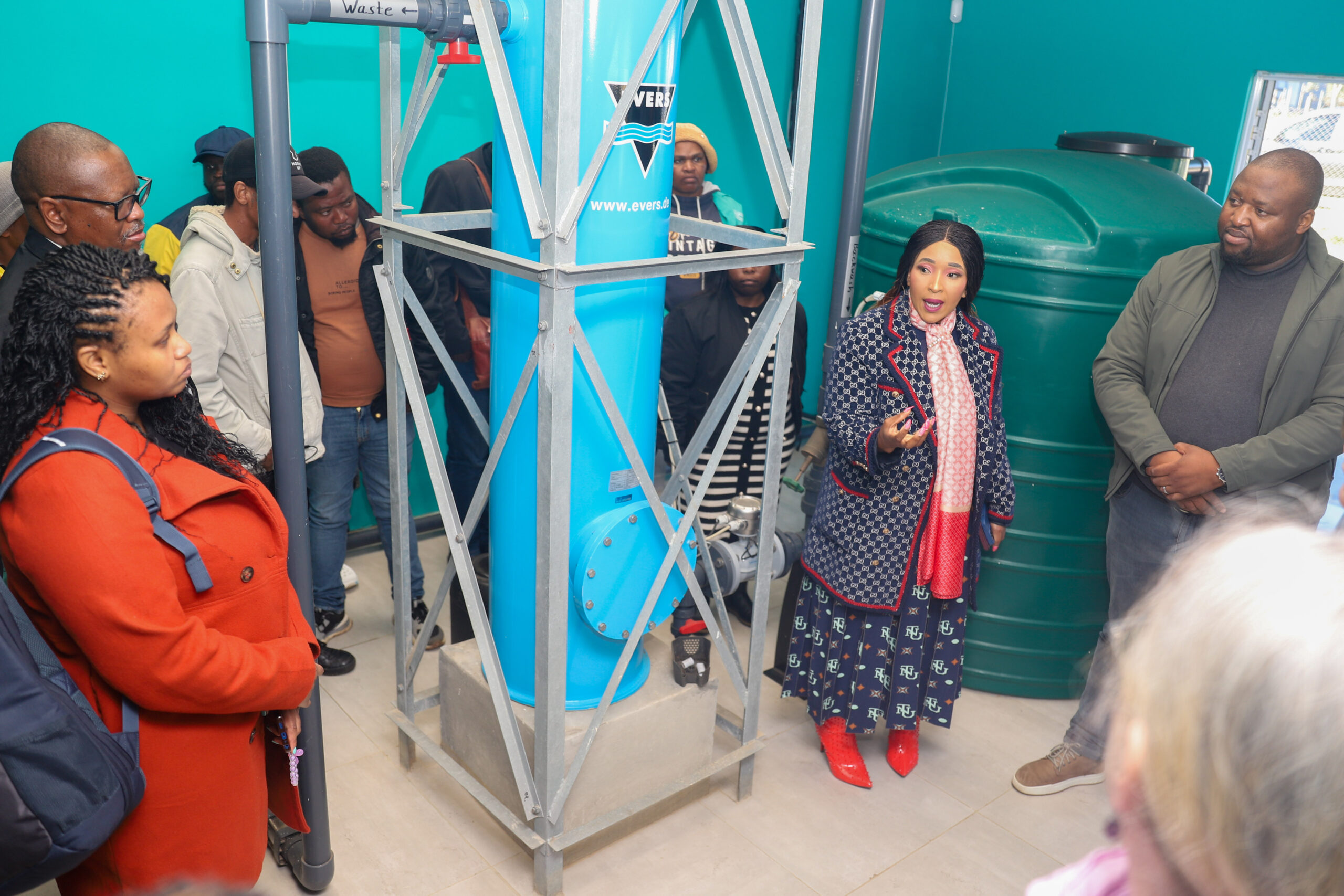
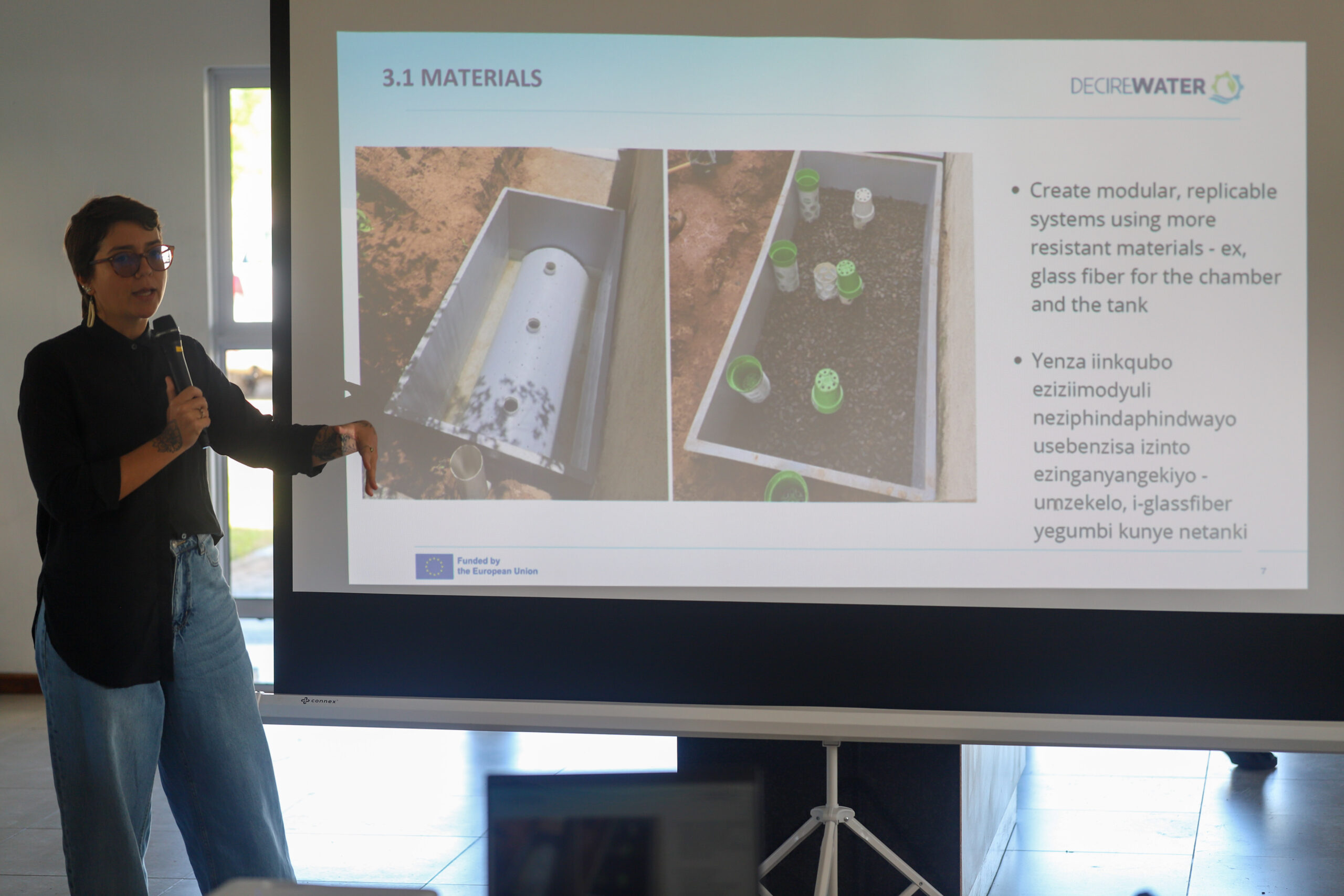
    The workshop began with welcoming remarks from representatives of Ndlambe Municipality, followed by a round of introductions among all participants. The Deputy Director of Ndlambe Municipality then led a tour of the EcoSUN Village, providing participants with an overview of the site and its local context. Following the tour, RPTU introduced the evapotranspiration tank (TEvap) system planned for implementation at the community and presented its main principles and intended application within the project.

    The TEvap is a nature-based, decentralised system for the treatment of household blackwater. Building on experience with TEvap systems in Brazil, DECIRE-WATER will further develop the concept for South African conditions, working towards a modular and scalable solution using locally appropriate materials and adapted design and operation.

    Local perspectives drive the discussion

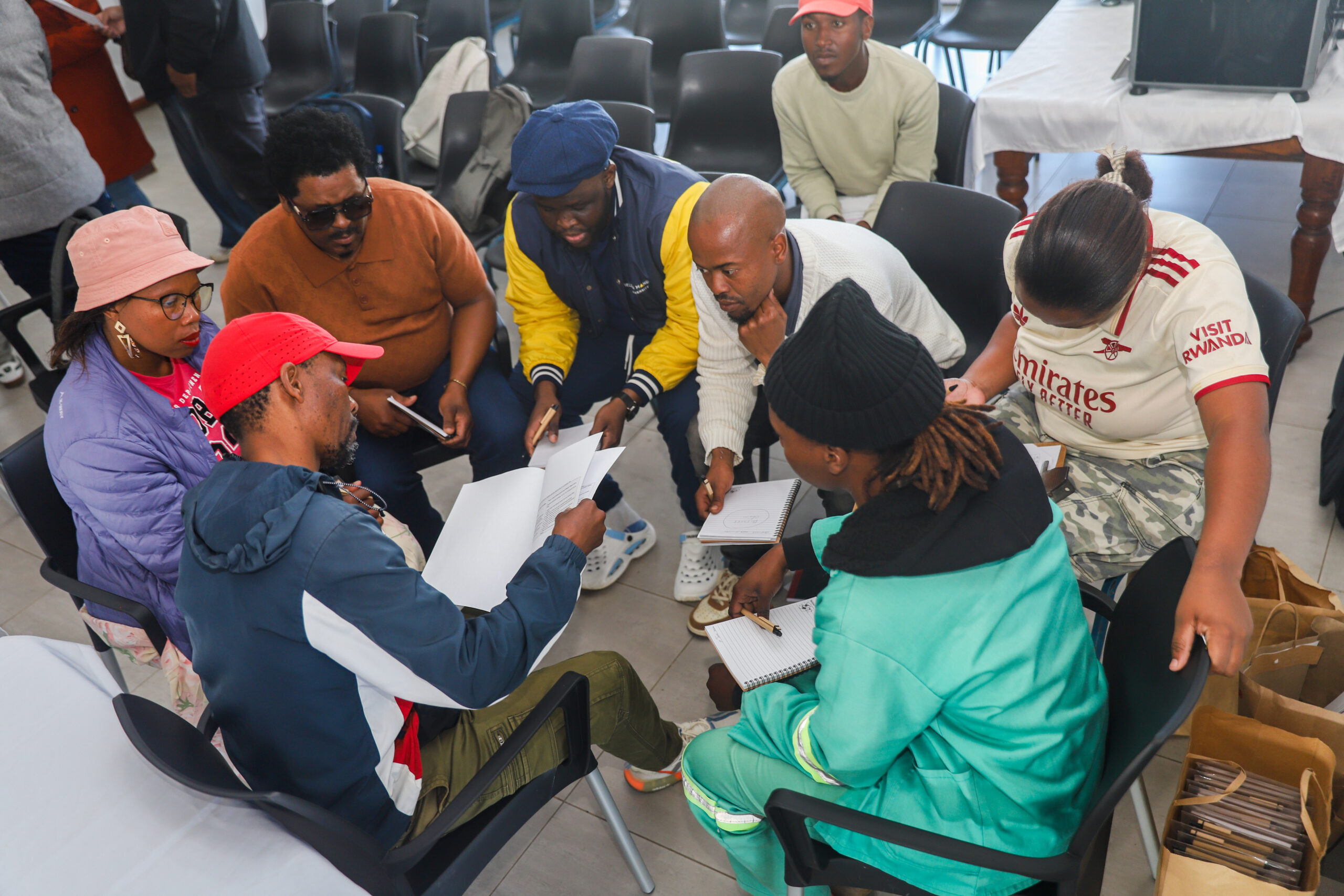
    Following this presentation, the World Café methodology and workshop structure were introduced by VDI/VDE. Participants were informed about the discussion format, the rotation between thematic groups, and the role of each session in gathering perspectives and inputs from the different stakeholder groups.
    The discussions in the groups crystalized around the following topics:
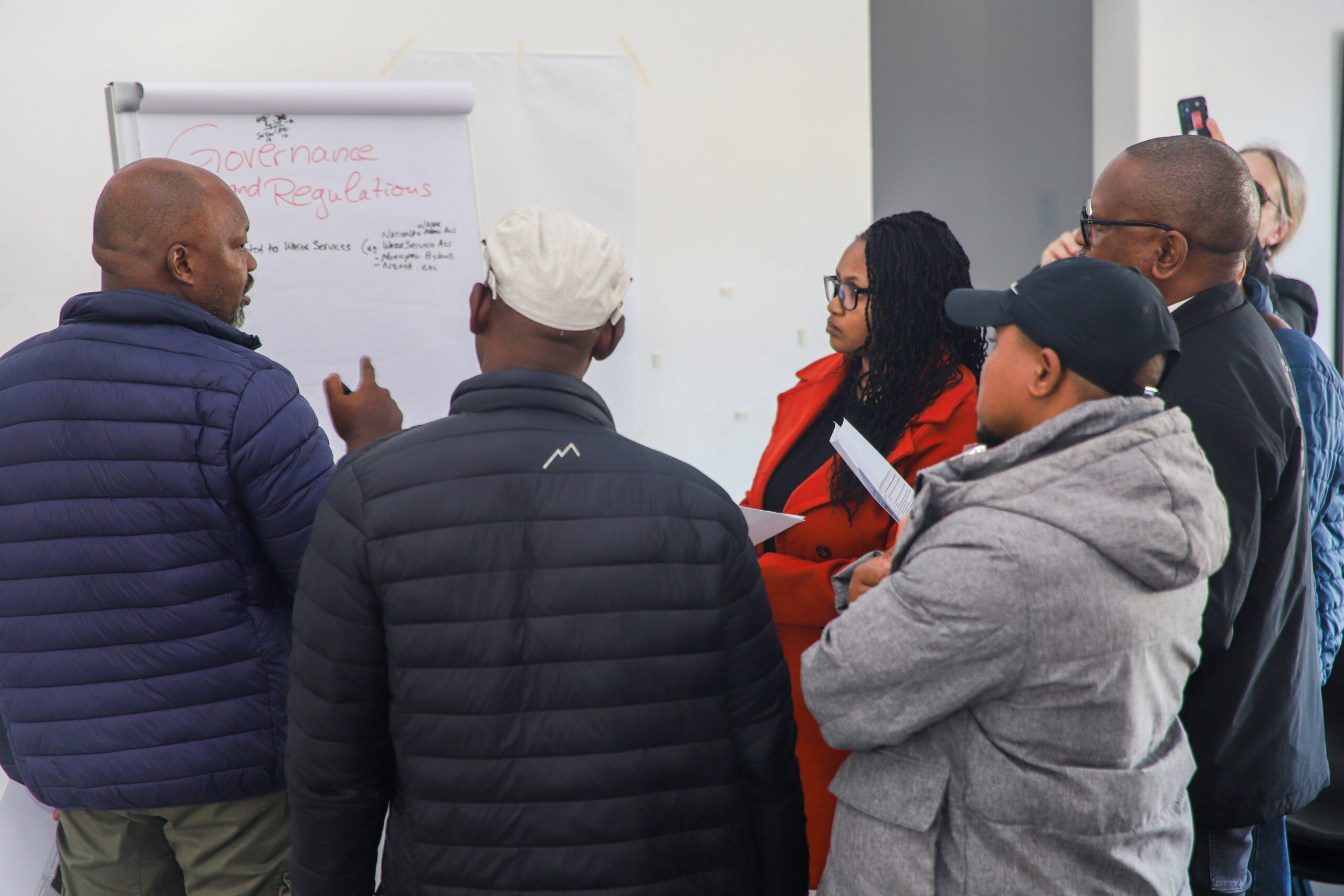
    technology, public perception, governance and regulation, business opportunities.

    The participatory format encouraged open exchange between participants with diverse backgrounds and with different levels of technical experience.  Discussions were adapted to the local context, with all key information translated to IsiXhosa, the main spoken local language. This created opportunities for participants to communicate and explain their concerns and expectations in their own terms, resulting in inclusive and lively discussions.

    Throughout the entire workshop, the atmosphere was lively and constructive. A recurring message from community participants was the wish to be active partners in the process rather than only recipients of a new technology. Participants highlighted the importance of local training, the involvement of local workers and suppliers, clear communication, and continued engagement throughout implementation and further operations. At the same time, discussions openly addressed practical challenges such as operation, maintenance, responsibilities and long-term sustainability. These priorities reflect DECIRE-WATER’s broader objective of involving stakeholders directly in planning, co-design and implementation.

    From dialogue to action: the road ahead

    Furthermore, the workshop provided valuable input for adapting the TEvap demonstration to local needs and helped to identify priorities for the next implementation steps. Technology training led by NMU and RPTU will follow, while the workshop outcomes will feed directly into the detailed design, construction and future monitoring of the demonstration site.

    Next steps in the stakeholder participation process will be a collection of direct feedback after construction and during operation followed by a second stakeholder workshop toward the later end of the DECIRE-WATER project to discern and discuss challenges, requirements and possibly responsibilities for sustainable long-term operations and possible scale-up and blueprinting.

    Author: V. Ly Lito Pinto

  • Demo spotlight – Spain

    Demo spotlight – Spain

    Pioneering Hybrid Water Reuse System

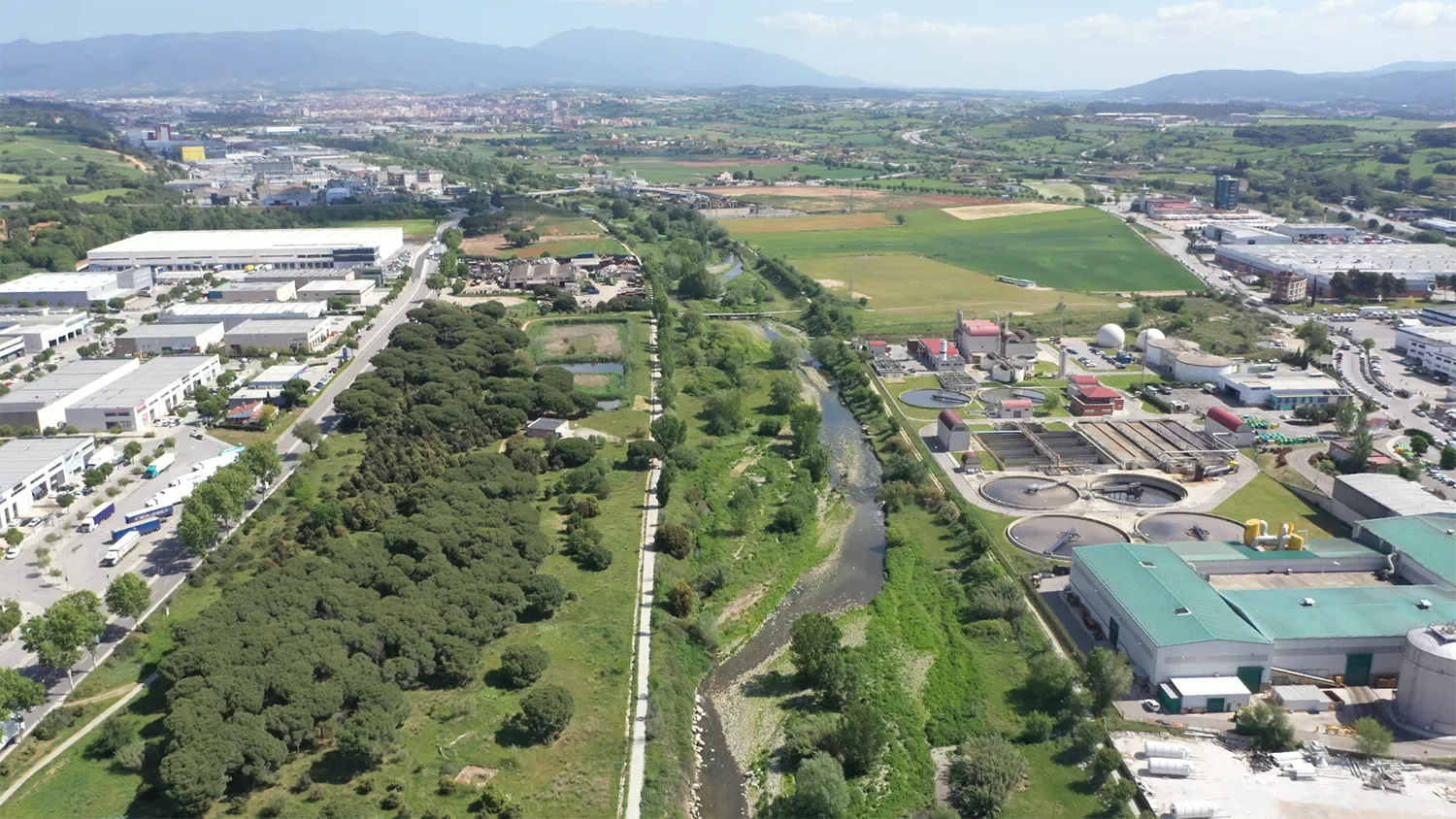
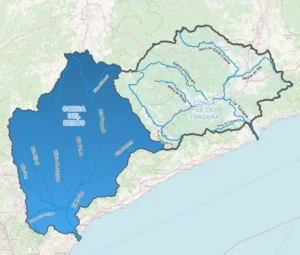
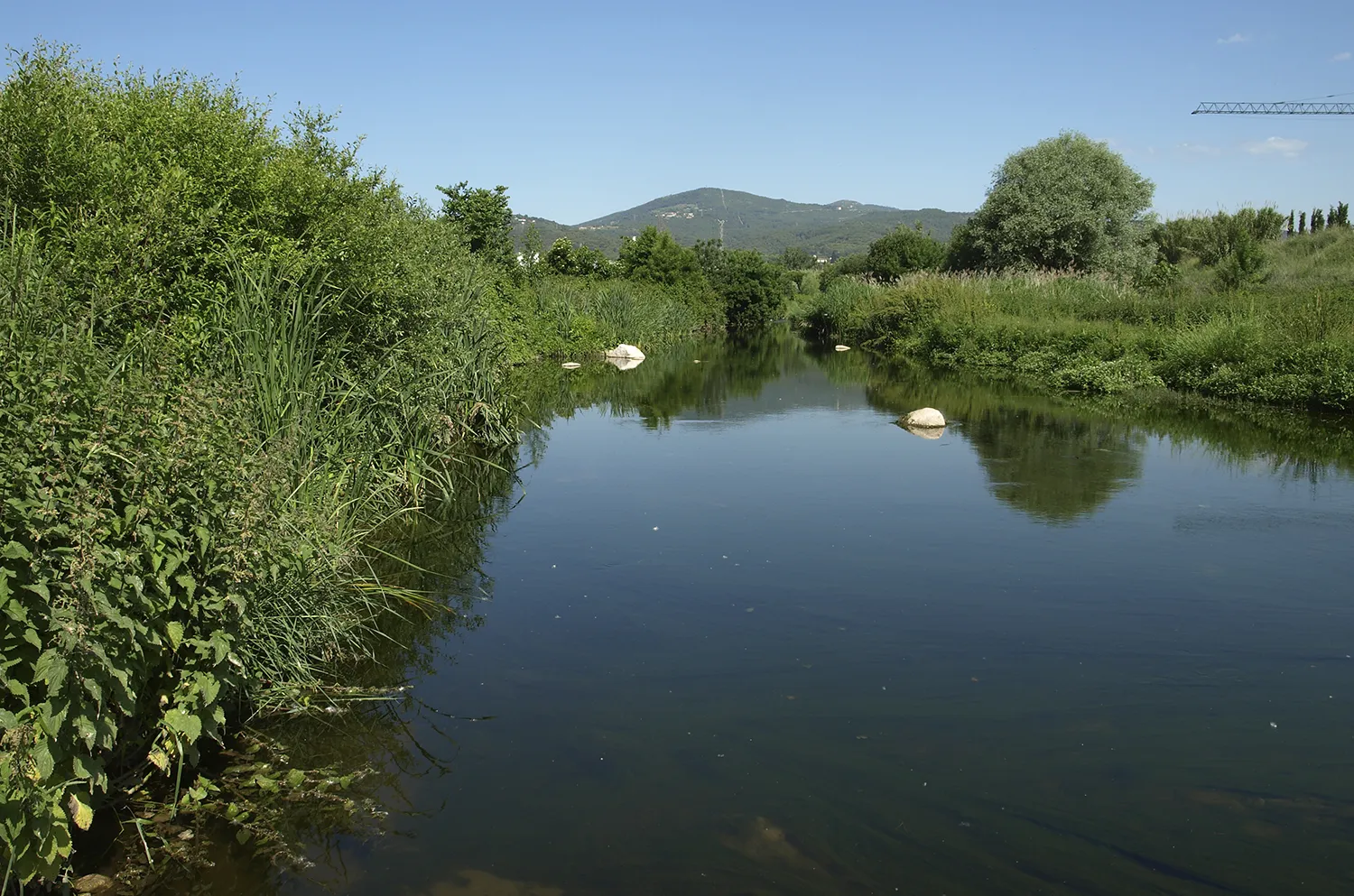
    The Can Cabanyes constructed wetland operates as a pioneering hybrid water reuse system that integrates a 1-hectare surface flow constructed wetland with a mechanical reclamation plant. This nature-based solution (NBS) is designed to polish secondary effluent from the nearby Granollers Wastewater Treatment Plant (WWTP), operated by Consorci Besòs Tordera. The system currently produces over 10,000 m³ of reclaimed water annually. A key feature is its 8.5 km non-potable distribution network, which currently supplies around half of the water needed for both urban green space irrigation and street and sewerage maintenance.

    History
    The system was put into operation in 2003, marking the beginning of a transformation of what was then a highly degraded peri-urban ecosystem near the Congost River. Before its restoration, the site was heavily impacted by industrial infrastructure, a highway, and an old landfill. The initial project required a comprehensive restoration plan that included closing the landfill, recovering river banks, and reclaiming pedestrian paths to create the current public park.

    Main transformation phases:

    2002-2003: Sealing the wetland basin with local soil compaction and planting high-density vegetation, such as Phragmites australis and Typha latifolia.

    2004-2005: Facing ecosystem stabilization issues, where phytoplankton and zooplankton “blooms” caused temporary spikes in organic matter and suspended solids.

    2008: Addition of a mechanical reclamation plant featuring disc filters and chlorine disinfection to meet stricter water quality standards for water reuse

    The system matured over two decades with the successful integration of nature-based solutions and mechanical treatment that created the stable hybrid foundation used today.

    Achievements
    Can Cabanyes has proven that hybrid nature-based solutions are both reliable and highly efficient for urban water reuse. The system consistently meets the water quality standards set by the regional authority for key parameters, including pH, total suspended solids (TSS), and pathogens like E. coli, Legionella, and nematode eggs.

    From an environmental and social perspective, the site has successfully transitioned from a degraded industrial area into a high-value peri-urban park integrated into the Natura 2000 network. It now serves as a vital ecological corridor, hosting species of special interest like the Mediterranean turtle (Mauremys leprosa) and a diverse range of bird populations.

    Seasonal patterns (long-term data):
    while ammonium removal is highly effective in warm months (64-87%), its efficiency significantly drops when water temperatures fall below 10°C.

    Regarding microbiological quality:
    approximate reduction of 2 logarithmic units in fecal coliforms, consolidating the role of the wetland as a pre treatment stage before conventional.

    Beyond conventional pollutants:
    the wetland removes over 95% of emerging contaminants such as ibuprofen and ketoprofen, although it is less effective against recalcitrant substances like carbamazepine.

    Studies have confirmed the system’s excellence in removing human adenoviruses (HAdV), providing a critical health safety barrier.

    Finally, a techno-economic evaluation confirmed the project’s sustainability, revealing that its positive externalities, such as environmental, educational, and recreational value (estimated at 1.25 €/m³), significantly outweigh the private operational costs of approximately 0.50 €/m³.

    DECIRE-WATER activities
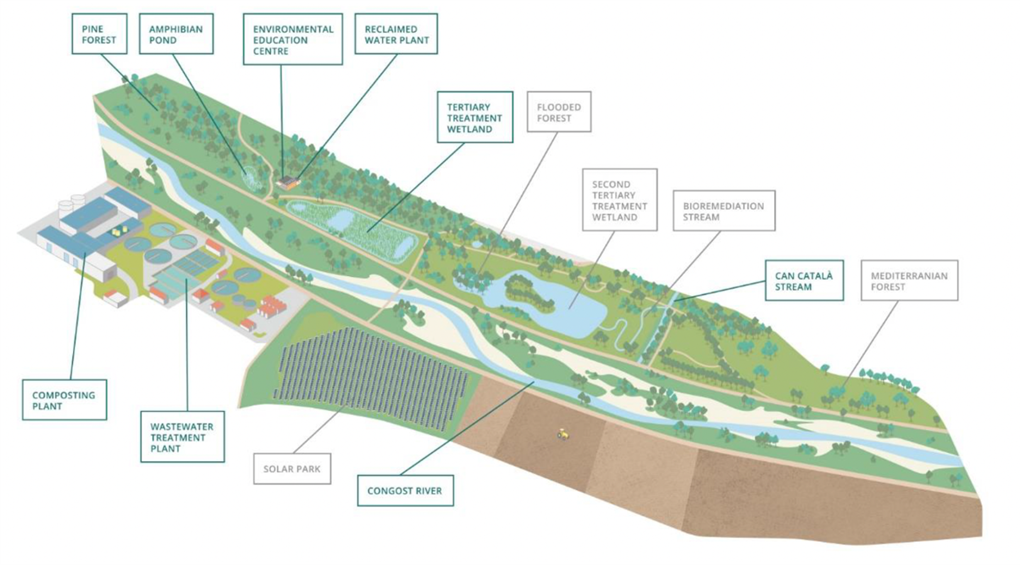
    Now in 2026 the site is undergoing a major expansion set for completion by 2027, which includes a flooded forest, a second tertiary wetland and a bioremediation stream to showcase the potential scalability of reclaimed water for agricultural and urban uses.

    Graphic of the expanded system at Granollers

    As a “lighthouse” demo site for the project, Can Cabanyes is pioneering the use of advanced real-time E. coli sensors to ensure the safe expansion of reclaimed water for agricultural and urban uses.

    The primary goal is to develop an in-situ, real-time monitoring system capable of detecting fluctuations in water quality and providing early warnings of fecal contamination spikes. The sensing approach combines DNA-based (total bacteria) and RNA-based (specific bacterial targets) staining with flow cytometry and advanced data analysis.

    Author: E. Gonzalez Flo