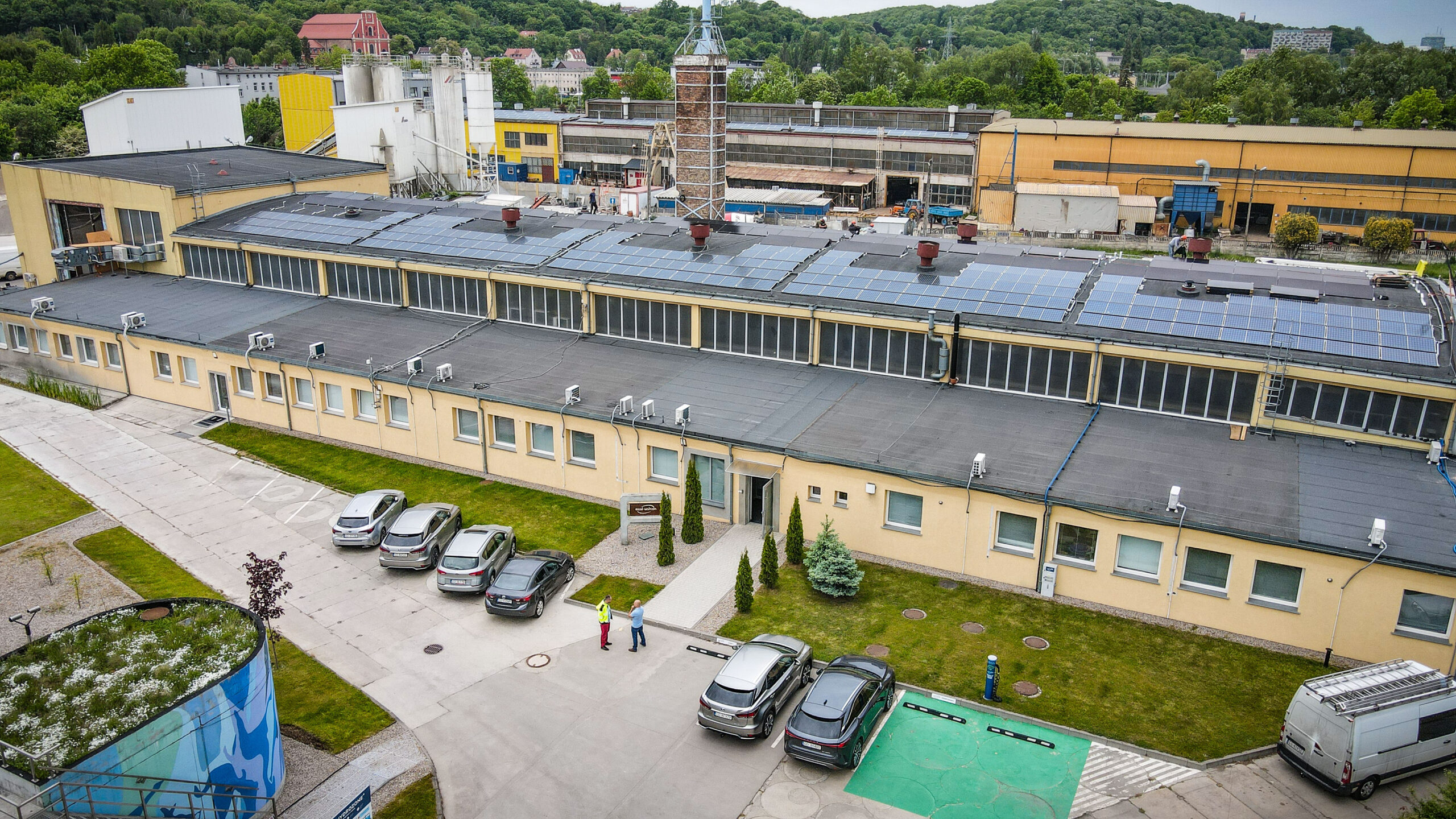
Gdańsk, Poland

Urban: City, 470.000 inhab.

Humid continental

Growing economy
Demo 3 – Domestic wastewater and rainwater treatment and reuse in urban area buildings.
Background
In Eastern Europe, the lack of decentralised water management systems has led to continued dependence on traditional centralized solutions; consequently, practices like rainwater and domestic wastewater reuse for toilet flushing remain uncommon. This is particularly problematic in buildings with high water demand such as schools, offices, and arenas.
Partner
Demo site responsible



Description
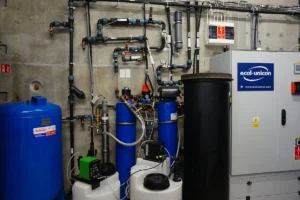
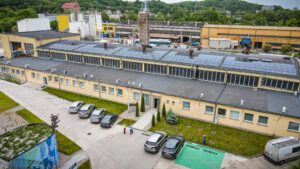
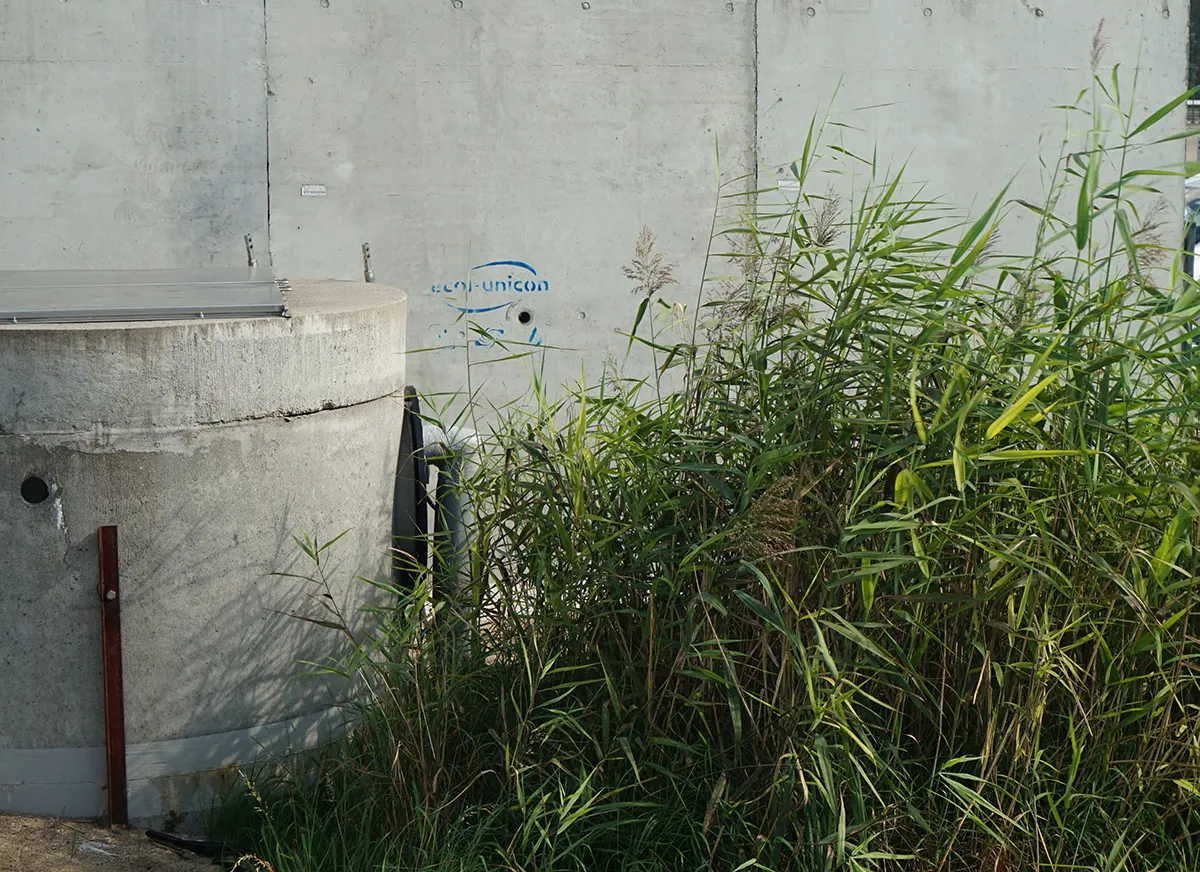
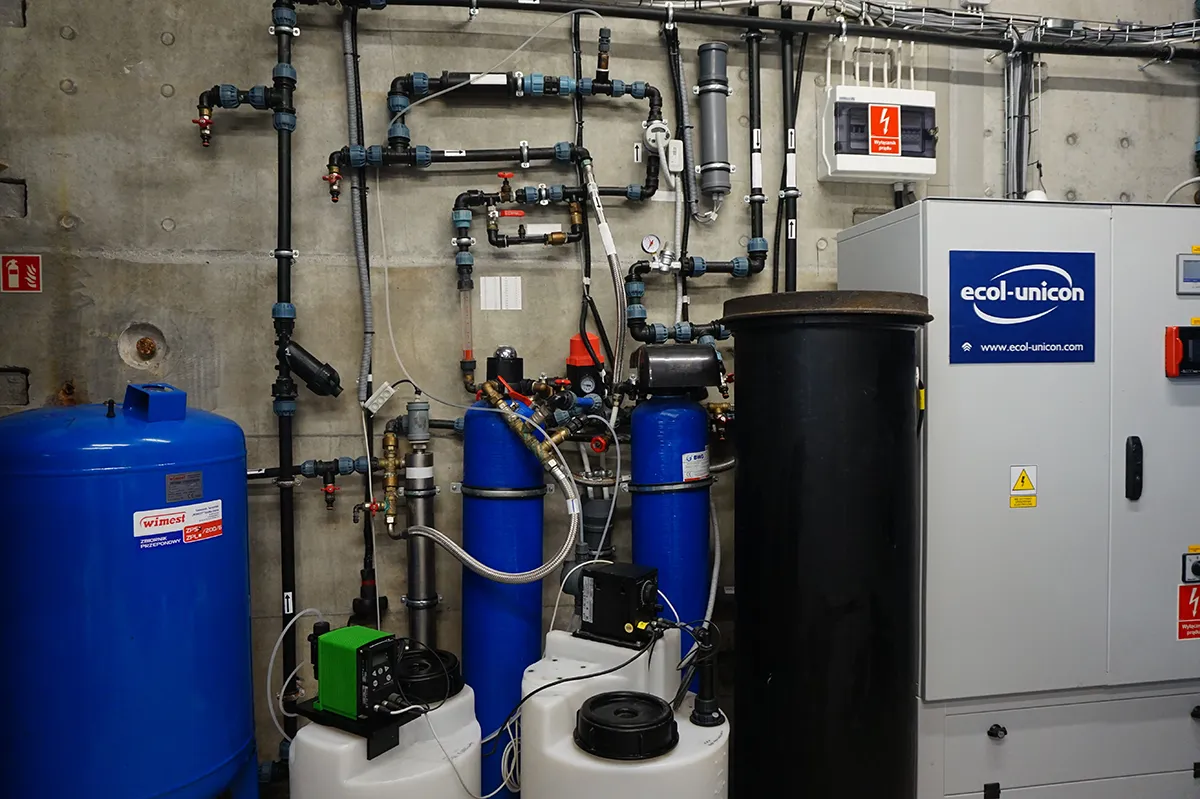
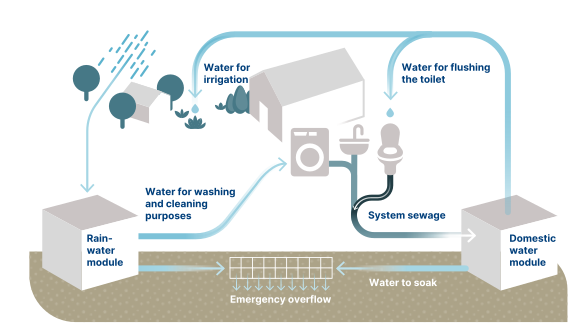
The system uses pre-treated rainwater for washing, cleaning and laundry and can treat and reuse domestic wastewater for toilet flushing. Excess treated wastewater can be safely used for irrigation. The system consists of two distinctive modules. The rainwater module collects, stores and purifies rainwater from the building’s roof, reducing tap water consumption by up to 85% and lowering stormwater discharge to sewer systems or urban drains. It features a solid separation unit, retention tank, polishing and disinfection system and a pressure tank for water storage.
In the domestic wastewater module, wastewater from toilets and social areas will undergo a primary sedimentation followed by the treatment through 3 distinct lines: two vertical subsurface flow constructed wetlands (VFCW), a gravel sand-filter and membrane bioreactor (MBR). Additionally, a disinfection step will be investigated for optimisation by replacing chlorine treatment with ozonation, simplifying maintenance and making infiltration more environmentally friendly. The treatment cost efficiency and energy consumption of each line will be compared to determine the optimal configuration.
Goal
An existing plant will be further developed and demonstrated for market readiness, with total capacity of 250 L/d. Ecol-Unicon (ECUN) will improve the system by reducing the treatment plant’s surface area by at least 10% and energy consumption also by at least 10%. The goal is that the treated water meets the thresholds set by European Water Reuse Regulation (EU) 2020/741.
Type of solution:
–
Rainwater module with disinfection
–
Domestic wastewater module with disinfection:

2 vertical flow CW
Gravel-sand filter trench

Membrane bioreactor
Type of Monitoring:

On-site monitoring of oxygen level and turbidity in rainwater module
Water quality control incl. physical-chemical parameters, micropollutants and pathogens
Digital tools:

Interactive Dashboard

Early detection system
Smart water management with real time control