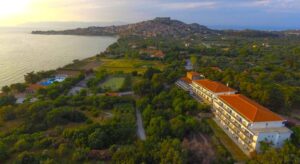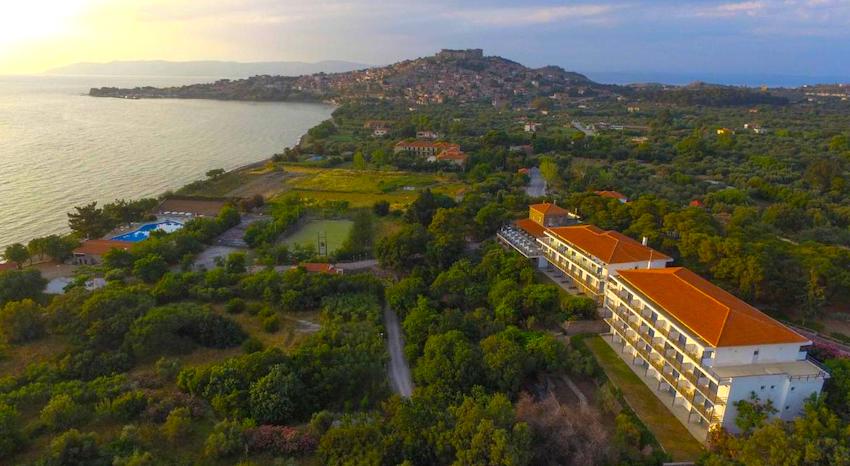
Lesvos Island, Greece

Rural: Island village <1500 inhab.

Mediterraneaan

High debt, econ. challenged
Demo 1 – Greywater treatment and reuse for small buildings in tourism-dependent islands
Background
The rapid growth of tourism on Mediterranean islands has driven the construction of hotels in remote areas without centralised sewage systems, exacerbating local water shortages. Many of these hotels operate seasonally, have high water demands, and at the same time generate large quantities of greywater (low-polluted wastewater, excluding toilet sewage), which could potentially be reused. This creates a pressing demand for efficient, eco-friendly, and cost-effective treatment systems.
Partner
Demo site responsible



Description
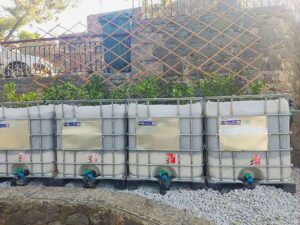
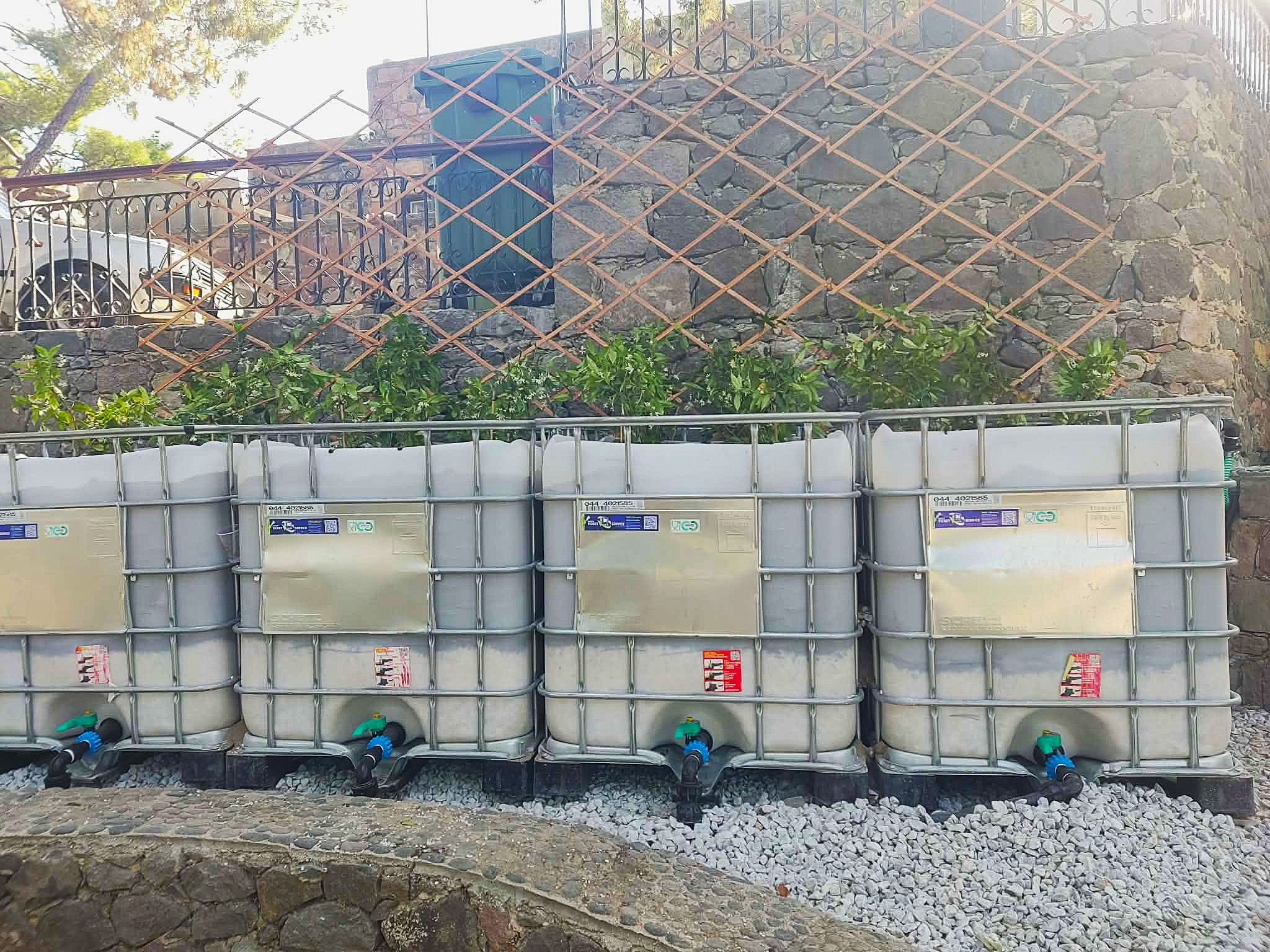
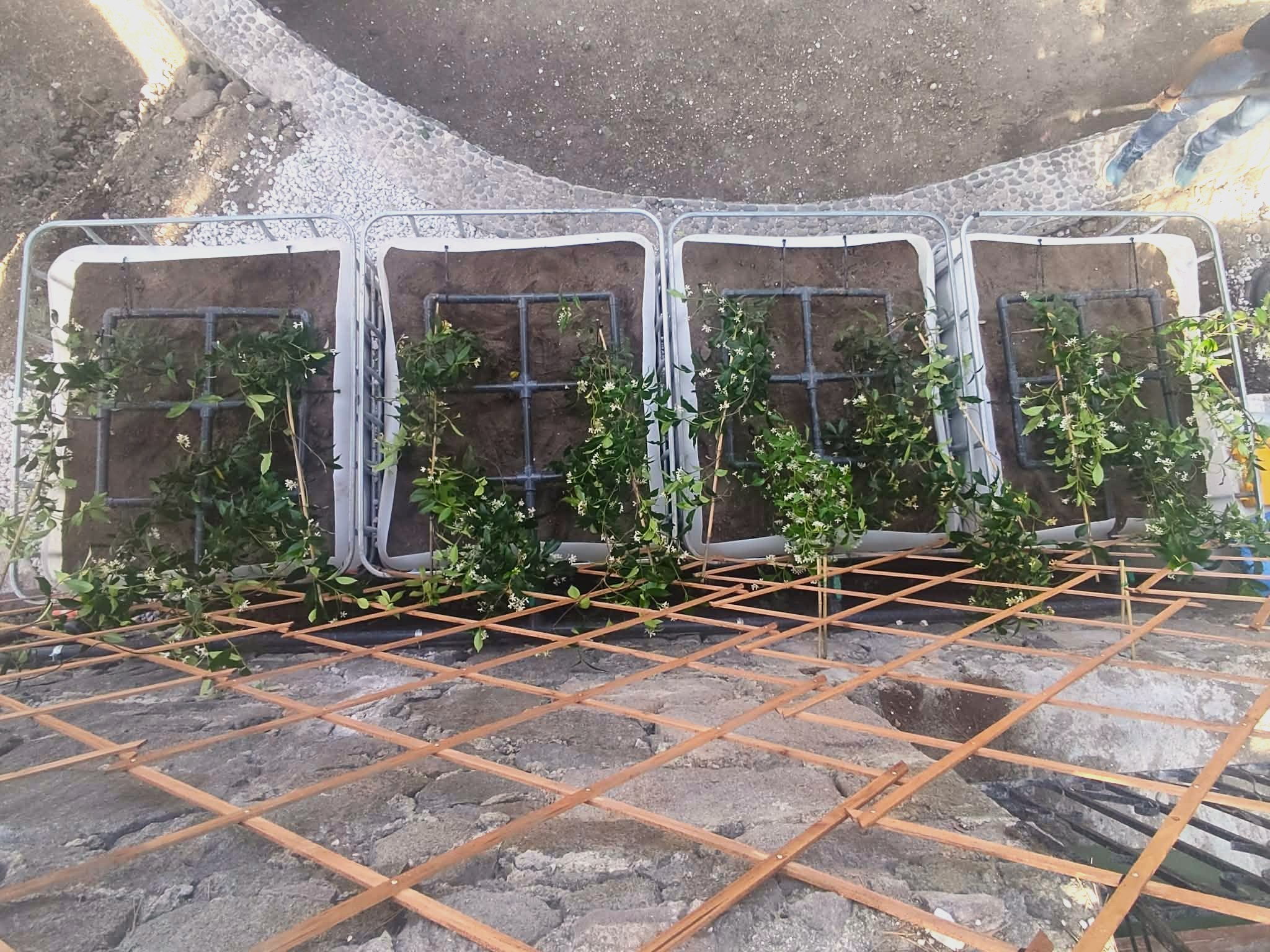
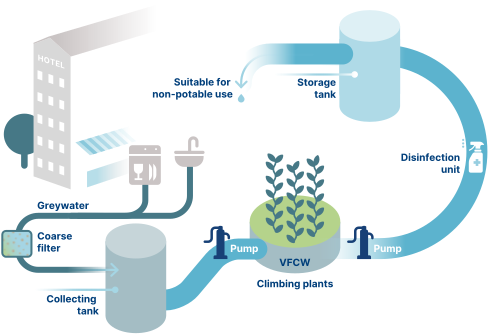
As part of a demonstration for semi-arid areas, modified constructed wetlands with ornamental plants will treat greywater originating from outdoor showers and dishwashers for potential reuse in irrigation and toilet flushing, thereby reducing the strain on the existing water supply system. The treatment process will be combined with downstream disinfection units and assessed to ensure that the treated water complies with the EU Water Reuse Regulation (EU) 2020/741.
Goal
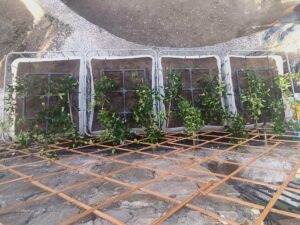
Following established methodologies from the University of the Aegean (UA), a 5 m² constructed wetland integrated with a living wall of ornamental climbers will be demonstrated at a Greek hotel facility to create a green façade. Its long-term performance will be assessed under various hydraulic loadings, focusing on the treatment performance of both the filter media and the vegetation in pollutant removal. The system’s performance will be monitored for standard wastewater pollutants, organic micropollutants, pathogens, and microfibers.
Type of solution:

Constructed wetlands (CW) with climbing plants and disinfection for greywater treatment
Thermal insulation of the building using green facades

Production of recovered water for non-potable uses.
Type of Monitoring:

Water quality control including phyisico-chemical parameters, conventional pollutants, micropollutants, hygienic and pandemic parameters, antimicrobial resistance (AMR) genes, and E.coli levels

E.coli sensor
Water Quantity, energy consumption, wall temperature
Digital tools:

Interactive Dashboard

Early fault detection system